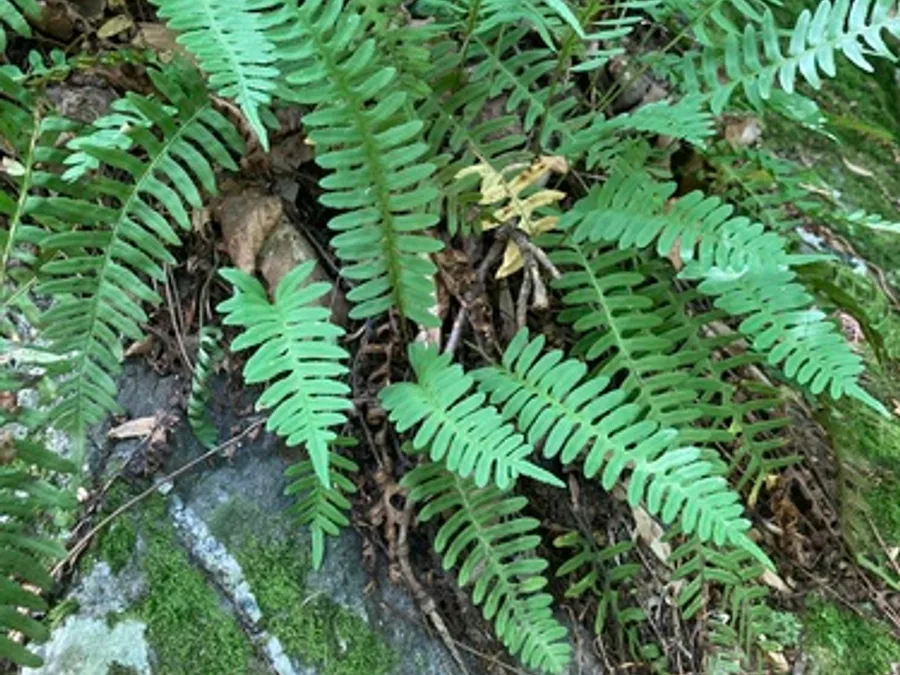
Ferns sort themselves by moisture and rock more sharply than anything else here, so a fern is often the fastest way to read what the ground under you is doing.
Booking
None. Sites are first come, first served.
Fee
$10 a night for a standard site, $20 for a group site, paid at headquarters. Maryland DNR.
Check in
Sign the sheet at headquarters when you arrive, then go to the site.
Is it free tonight?
This page cannot know. The app shows what the sign-up sheet last showed, with the photo's age.
Every photograph here is openly licensed and credited to the person who took it.
The recordings are in the app — open the nature
guide to hear them.
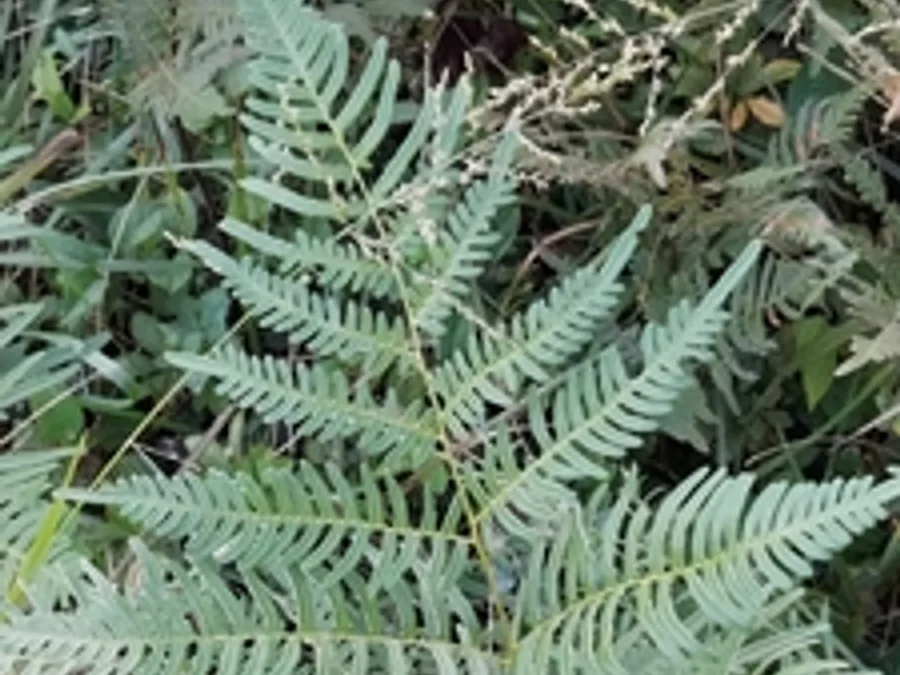
A big, coarse fern holding one broad triangular frond split in three parts, waist-high on its own stiff stalk, often in colonies covering whole sunny clearings.
Where to look
Dry sunny clearings, burned ground, and open ridges. The fern that likes it dry and bright
When
Up May–October; turns bronze and collapses with frost
Months
May to October
Easily confused with
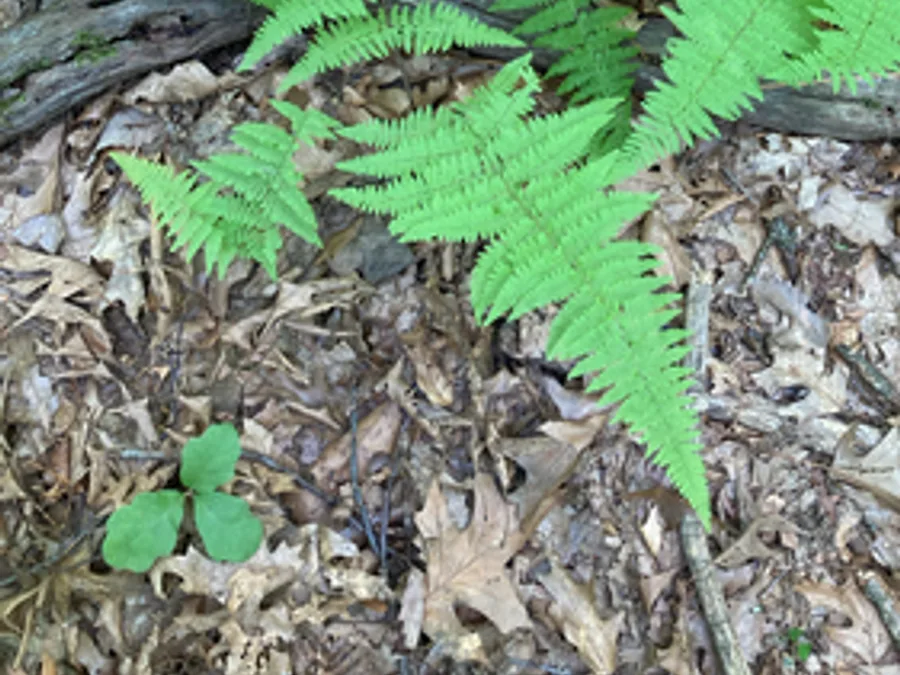
Hay-scented fern is smaller, lacier, and smells of hay when crushed; bracken's three-part triangle on a bare stalk is unique.
Do not touch
Fine to touch, but not edible: despite persistent 'fiddlehead' foraging lore, bracken contains a carcinogen. Leave it out of dinner.
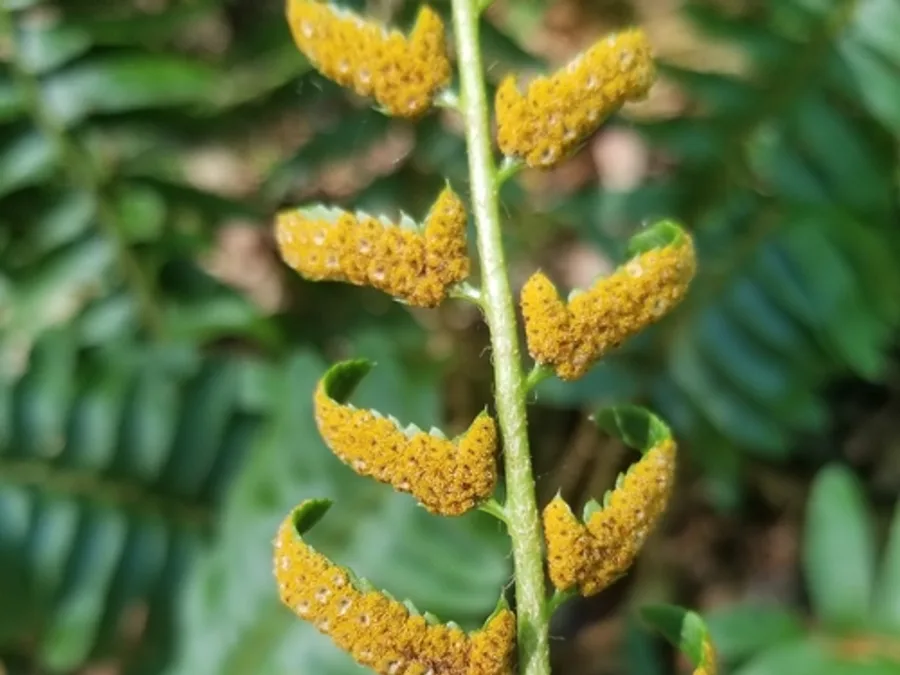
A tidy evergreen fern with leathery, dark-green once-divided fronds; each little leaflet has a small lobe at its base, like a tiny Christmas stocking or boot.
Where to look
Rocky slopes, shaded banks, and stream sides
When
Green year-round, one of the few ferns you'll see in winter
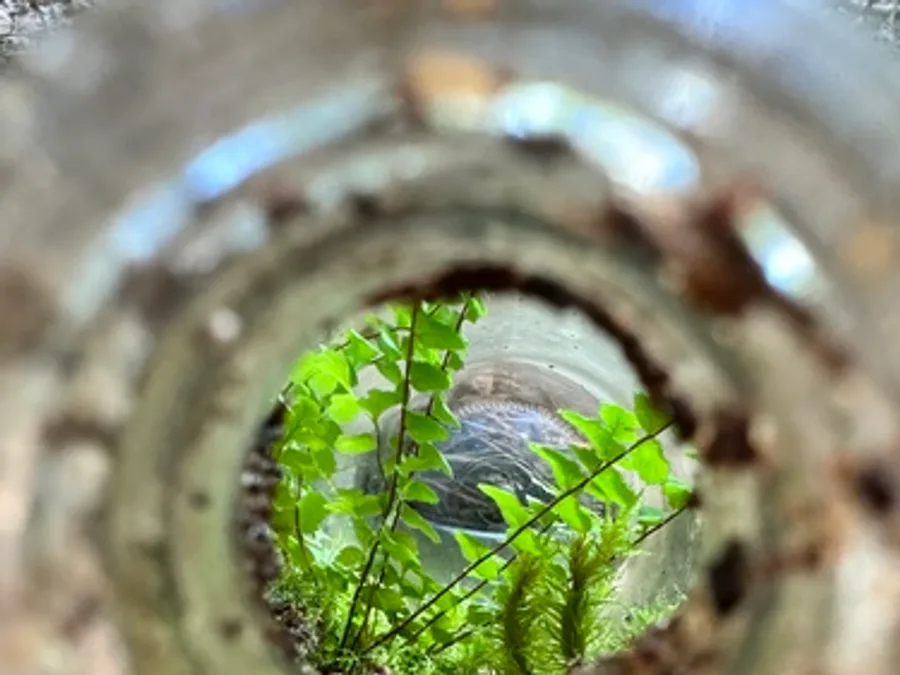
A small, tidy evergreen fern with narrow once-cut fronds like little ladders on glossy dark purple-brown stems, growing where most ferns won't: dry rocky ground.
Where to look
Shale slopes, rock crevices, and dry banks. The fern that tolerates the barrens
When
Evergreen year-round
Easily confused with
Christmas fern is bigger with 'stocking-shaped' leaflets and green stems; ebony spleenwort's wiry dark stem is the tell.