Nature guide · Green Ridge State Forest, Maryland

Insects of Green Ridge State Forest

31 entries from the forest's field guide.

This is the group a camper meets most and knows least. Some of it is worth walking a mile to see and a little of it is worth checking your legs for.

Booking
None. Sites are first come, first served.
Fee
$10 a night for a standard site, $20 for a group site, paid at headquarters. Maryland DNR.
Check in
Sign the sheet at headquarters when you arrive, then go to the site.
Is it free tonight?
This page cannot know. The app shows what the sign-up sheet last showed, with the photo's age.

Every photograph here is openly licensed and credited to the person who took it. The recordings are in the app — open the nature guide to hear them.

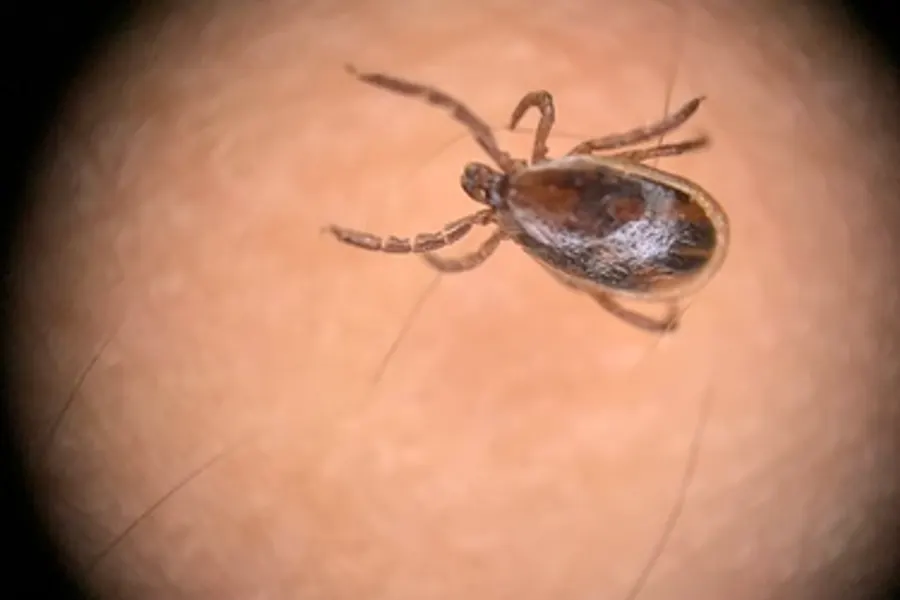
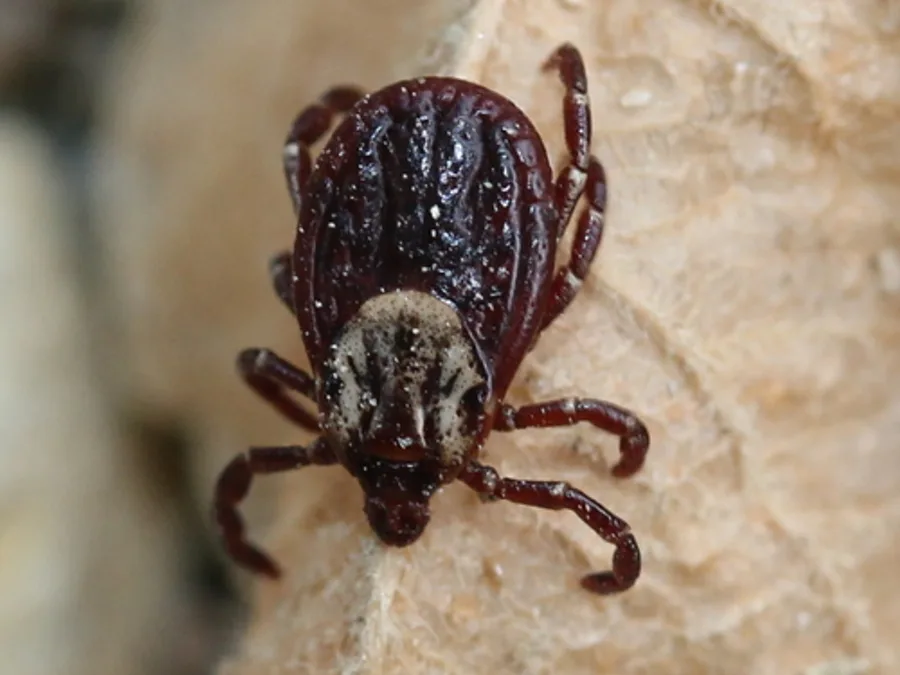
American Dog Tick, photographed at or near Green Ridge State Forest
Even Dankowicz · cc-by

American Dog Tick Dermacentor variabilis

Often seen

A bigger, bolder tick than the deer tick, brown with ornate whitish marbling on its shield, common on dogs and pant legs after grassy walks.

Where to look
Grassy road edges, field margins, and sunny trail sections
When
Most active April–August
Months
April to August
Easily confused with
Blacklegged (deer) tick is smaller and unpatterned, and the more serious disease risk here.
Do not touch
Same drill as every tick: prompt removal with tweezers, nightly checks. It can carry Rocky Mountain spotted fever. That's rare, but a fever with headache after a bite deserves a doctor.

See American Dog Tick in the app

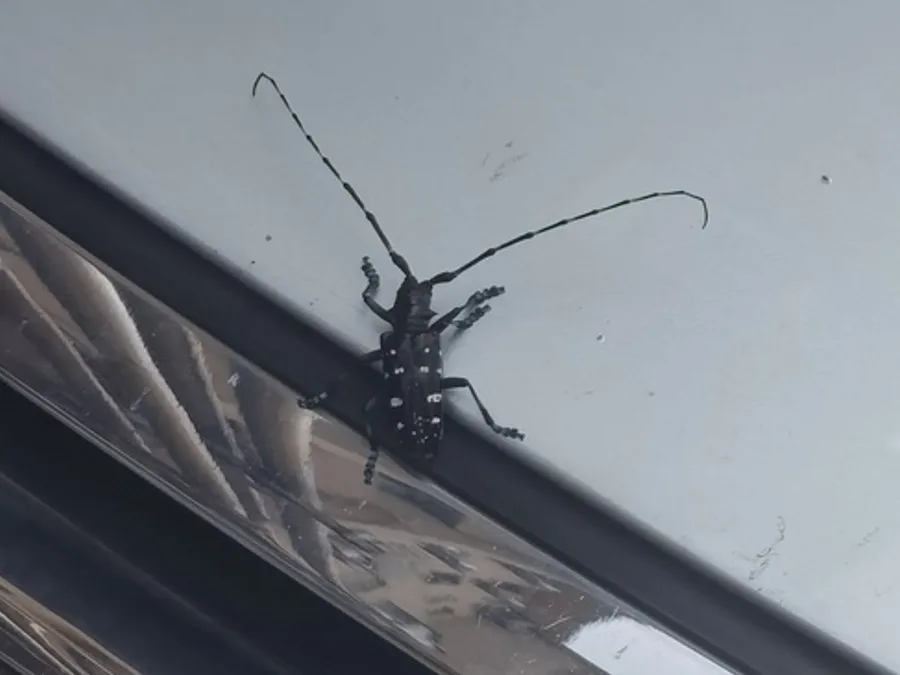
Asian Longhorned Beetle, photographed at or near Green Ridge State Forest
Zinogre · cc-by-sa

Asian Longhorned Beetle Anoplophora glabripennis

Rarely seen

A large glossy-black beetle spotted with white, and with long black-and-white banded antennae often longer than its own body; leaves round (not D-shaped) exit holes in bark.

Where to look
On hardwoods like maple; not yet found at GRSF, so any sighting matters
When
Adults active summer–early fall
Months
June to September
Easily confused with
Native long-horned beetles exist, but this one's big size, bright white spots, and round exit holes are distinctive. If unsure, photograph and report it.
Do not touch
PRIORITY INVASIVE — report immediately to USDA APHIS if found. Kills hardwoods including maple, birch, elm, willow.
Invasive
Not currently known to be established in Maryland. This is a watch-list species. If you think you see one (or its perfectly round exit holes in maple), photograph it and report to USDA APHIS; early detection is the whole game.

See Asian Longhorned Beetle in the app

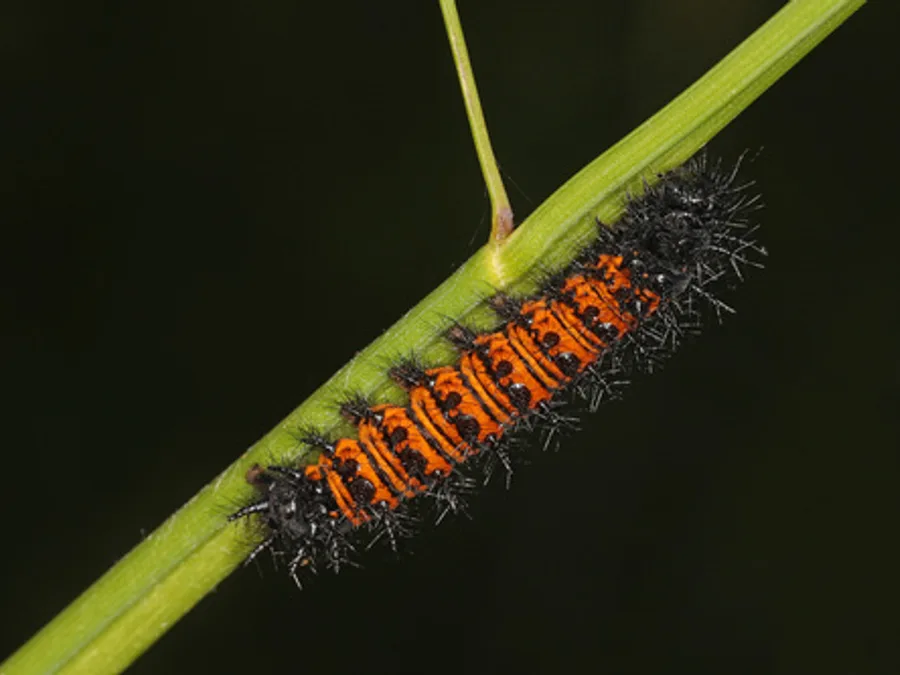
Baltimore Checkerspot, photographed at or near Green Ridge State Forest
Judy Gallagher · cc-by-sa

Baltimore Checkerspot Euphydryas phaeton

Rarely seen

A medium butterfly boldly checkered in black with rows of orange-red and white spots: the colors of Maryland's flag.

Where to look
Wet meadows with white turtlehead (its only host plant). That's scarce habitat in this dry forest, so a real find
When
Flies June–July
Months
June to July

See Baltimore Checkerspot in the app

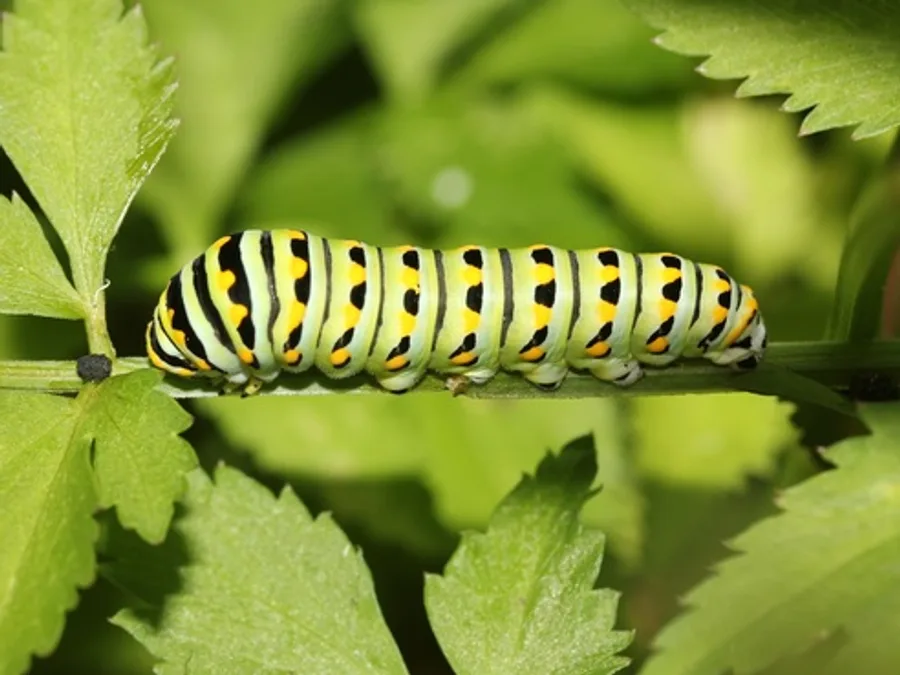
Black Swallowtail, photographed at or near Green Ridge State Forest
Even Dankowicz · cc-by

Black Swallowtail Papilio polyxenes

Sometimes seen

A mostly black swallowtail with two bands of yellow spots across the wings and a small orange-and-blue eyespot near each tail.

Where to look
Open fields, meadows, and roadsides
When
On the wing May–September
Months
May to September
Easily confused with
The bright double row of yellow spots and lack of a blue-green sheen separate it from the spicebush swallowtail.

See Black Swallowtail in the app

Blacklegged Tick, photographed at or near Green Ridge State Forest
Senna Bryce Robeson · cc-by

Blacklegged Tick Ixodes scapularis

Often seen

The deer tick: sesame-seed small, reddish body with black legs and a black shield behind the head. The nymphs in early summer are poppy-seed small and the real Lyme risk.

Where to look
Leaf litter, log edges, and grass along every trail. It finds you, not the reverse
When
Active spring through fall on any day above ~40°F, and warm winter afternoons too
Months
March to November
Easily confused with
American dog tick is bigger with white patterning and carries different (rarer) diseases; treat every tick the same way regardless.
Do not touch
This is the one to take seriously — it carries Lyme disease. Do a full tick check every night (kids, scalp, waistband, dogs). Remove attached ticks straight out with fine tweezers, then wash. A spreading bull's-eye rash or fever in the weeks after means a doctor visit. Mention the tick.

See Blacklegged Tick in the app

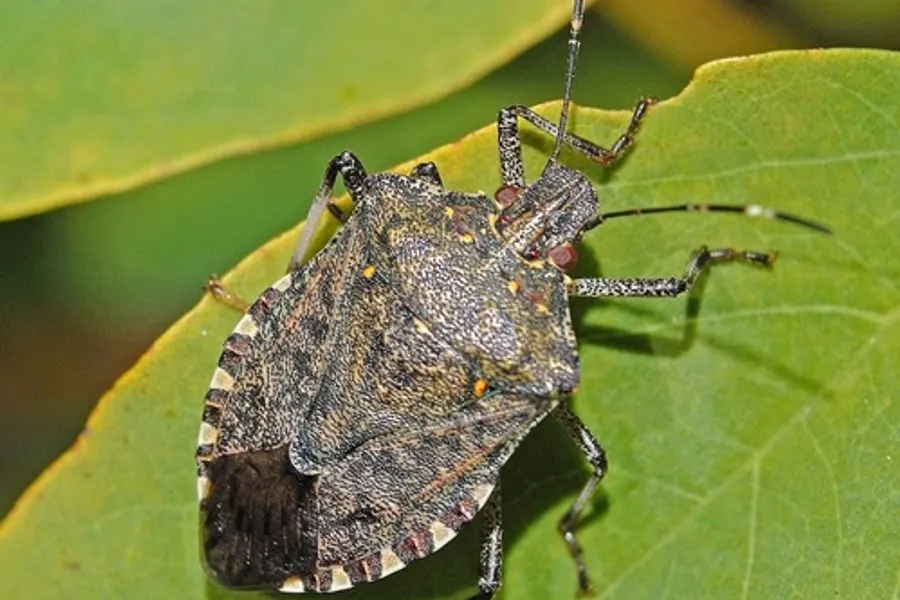
Brown Marmorated Stink Bug, photographed at or near Green Ridge State Forest
Kimberly · cc-by

Brown Marmorated Stink Bug Halyomorpha halys

Often seen

A brown, marbled, shield-shaped bug about the size of a fingernail, with tell-tale alternating black-and-white bands on the antennae and shield edges.

Where to look
On foliage and sunny walls; gathers on tents and gear as it cools off
When
Active spring–fall; crowds indoors and onto tents in fall
Months
April to October
Easily confused with
Native stink bugs lack the banded antennae; those black-and-white antenna rings are the giveaway.
Do not touch
Harmless to you, but it earns its name: if you squash or startle it, it releases a lasting skunky smell, so flick it off instead.
Invasive
An invasive farm pest. No need to report it (it's already widespread), but sweep or shake them off gear rather than crushing them, and don't pack them home.

See Brown Marmorated Stink Bug in the app

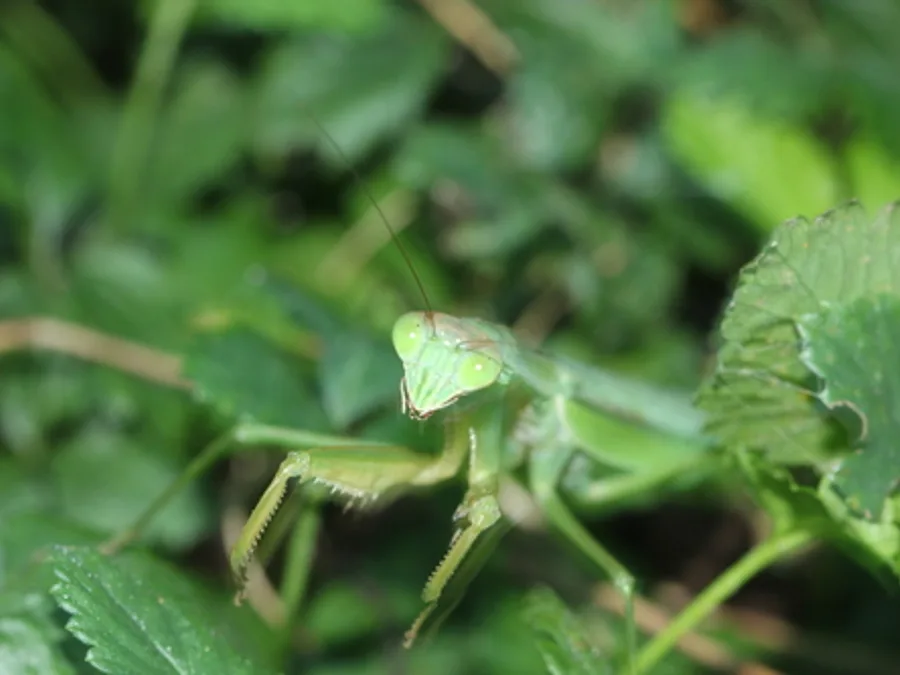
Chinese Mantis, photographed at or near Green Ridge State Forest
jrcagle · cc-by

Chinese Mantis Tenodera sinensis

Sometimes seen · introduced

A very large tan-and-green mantis, up to four inches long, with a green stripe down the edge of the folded wings; the biggest mantis you'll meet here.

Where to look
Fields, meadows, and garden edges
When
Adults late summer–fall
Months
August to October
Easily confused with
Bigger than the native Carolina mantis; this introduced species preys on native insects, including helpful pollinators.

See Chinese Mantis in the app

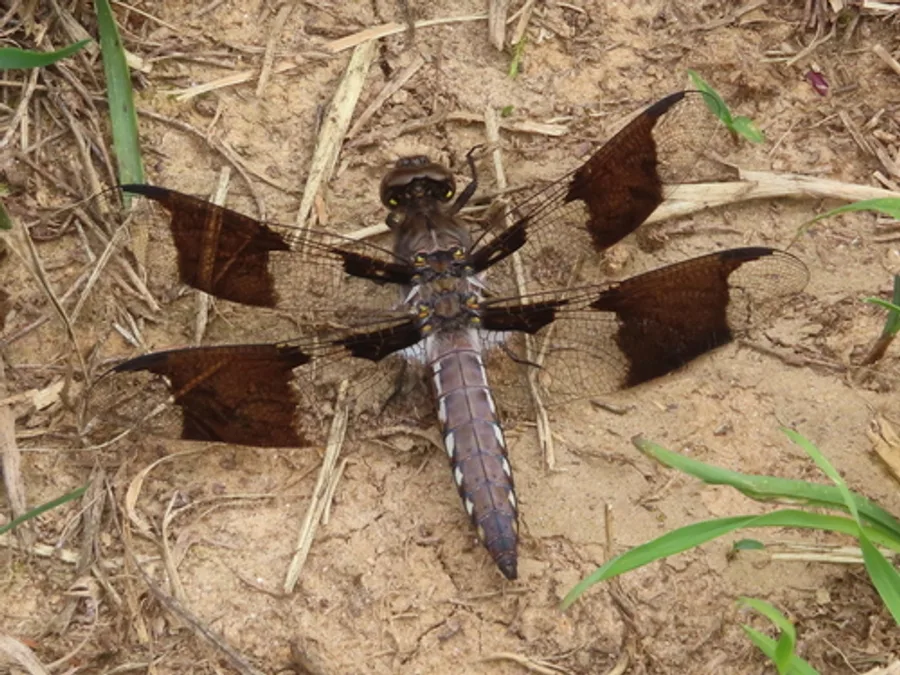
Common Whitetail Dragonfly, photographed at or near Green Ridge State Forest
Ken Clark · cc-by

Common Whitetail Dragonfly Plathemis lydia

Often seen

A stocky dragonfly; the mature male has a chalky powder-white abdomen and a dark band across each wing, and loves to perch on bare ground and rocks.

Where to look
Perched on rocks and logs along streams and ponds
When
On the wing May–September
Months
May to September

See Common Whitetail Dragonfly in the app

Eastern Bumblebee, photographed at or near Green Ridge State Forest
cc0

Eastern Bumblebee Bombus impatiens

Often seen

A big, round, fuzzy bee, black with a broad yellow band across the front of the body; a busy, gentle visitor to flowers.

Where to look
On flowers everywhere; nests in the ground and old rodent burrows
When
Active spring through fall
Months
April to October
Do not touch
Very docile while foraging. It can sting if you grab it or disturb its nest, but it won't bother you if you leave it be.

See Eastern Bumblebee in the app

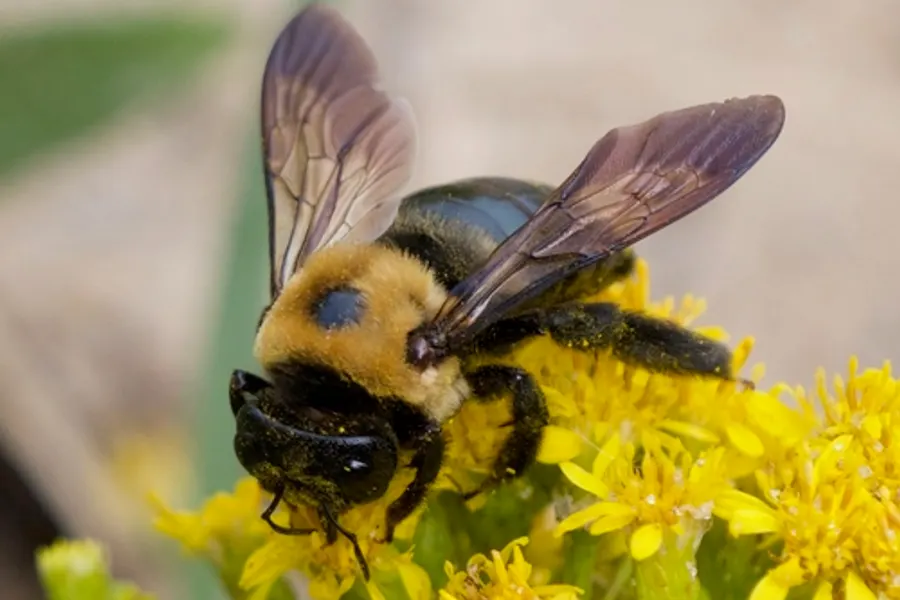
Eastern Carpenter Bee, photographed at or near Green Ridge State Forest
Christopher Eliot · cc-by

Eastern Carpenter Bee Xylocopa virginica

Often seen

Looks like a bumblebee but with a shiny, hairless black abdomen; often seen hovering and chasing around wood: porch rails, posts, and picnic shelters.

Where to look
Hovering near wooden structures, where females bore round nest holes
When
Active spring through summer
Months
April to August
Easily confused with
Bumblebees have a fuzzy yellow-haired abdomen; the carpenter bee's abdomen is bare and glossy black.
Do not touch
The males that hover in your face and 'dart' at you can't sting at all; females can but almost never do. Harmless, if a bit dramatic.

See Eastern Carpenter Bee in the app

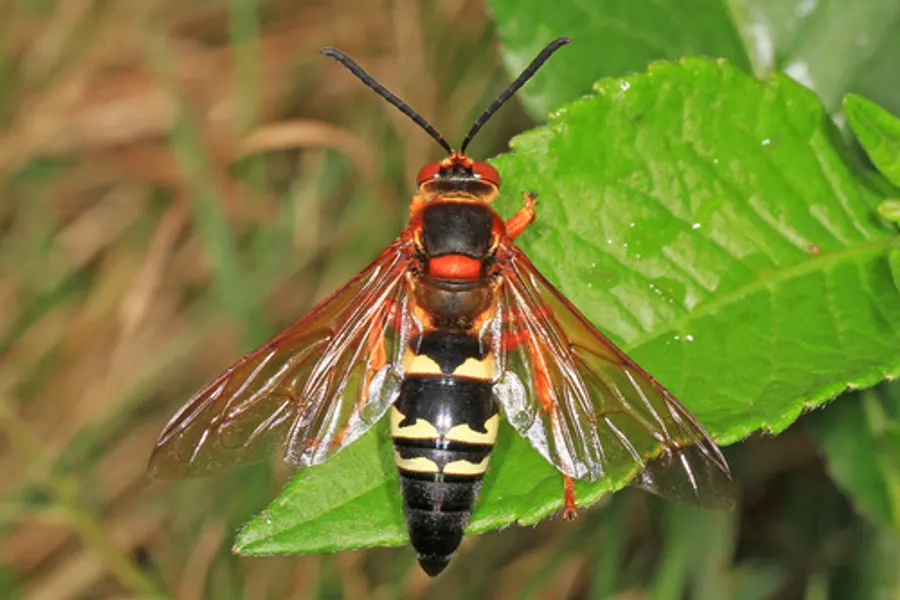
Eastern Cicada Killer, photographed at or near Green Ridge State Forest
Judy Gallagher · cc-by-sa

Eastern Cicada Killer Sphecius speciosus

Sometimes seen

An alarmingly large black-and-yellow wasp (up to two inches) cruising low over bare ground in high summer, or hauling a paralyzed cicada twice its weight back to its burrow.

Where to look
Bare sandy patches, road banks, and campsite edges. Look for the U-shaped dirt mounds at burrow entrances
When
July–September, during cicada season
Months
July to September
Easily confused with
European hornets are social, night-active around lights, and defend nests; cicada killers are loners that ignore you.
Do not touch
Scarier than it is: males can't sting at all (they just bluster), and females sting only if you literally grab one. Not a defender of nests like yellowjackets, so you can watch from a step away.

See Eastern Cicada Killer in the app

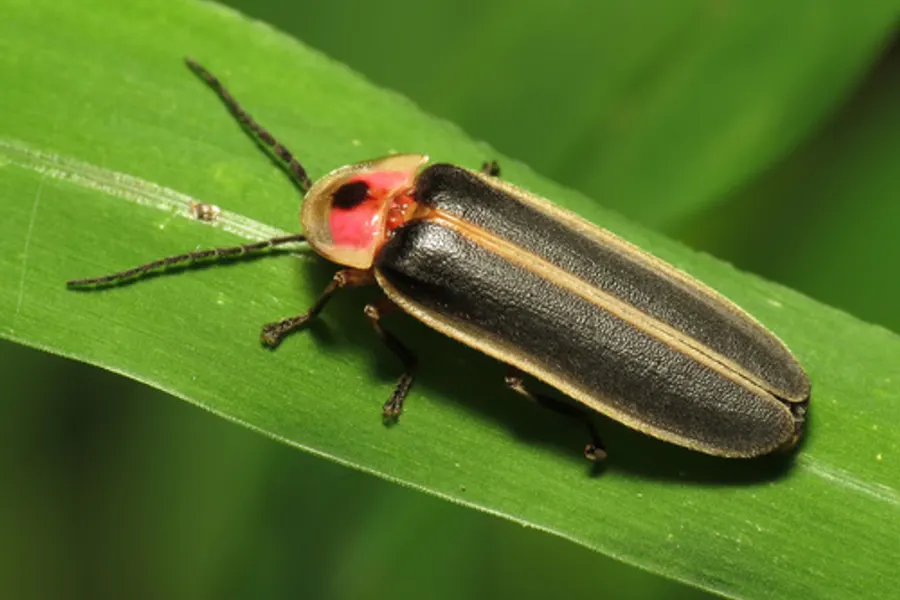
Eastern Firefly / Lightning Bug, photographed at or near Green Ridge State Forest
Katja Schulz · cc-by

Eastern Firefly / Lightning Bug Photinus pyralis

Often seen

A soft-bodied beetle with a dark red-and-black shield over its head; by day it's easy to overlook, but at dusk the males float upward flashing a yellow-green 'J' of light.

Where to look
Rising over damp meadows, clearings, and forest edges after dark. It's the most common firefly here
When
Adults glow on summer evenings, June–August
Months
June to August

See Eastern Firefly / Lightning Bug in the app

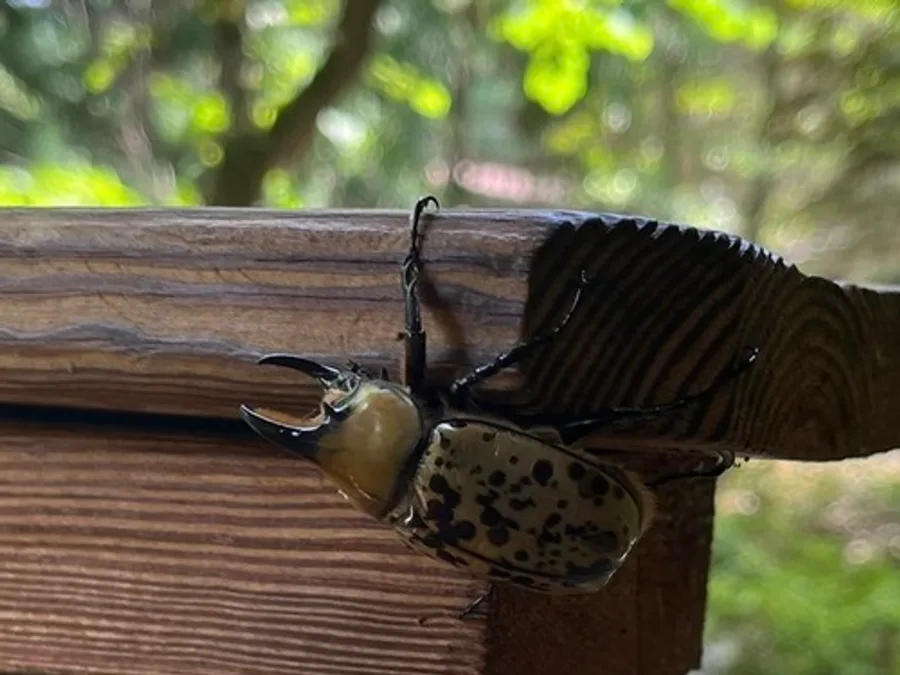
Eastern Hercules Beetle, photographed at or near Green Ridge State Forest
jonsense · cc-by

Eastern Hercules Beetle Dynastes tityus

Rarely seen

A huge, heavy greenish-gray beetle blotched with black; the male sports a long curving horn like tiny rhino pincers. One of the largest beetles you'll find here.

Where to look
Drawn to lights at night; larvae grow for years in rotting wood
When
Adults Jul–August, mostly at night
Months
July to August
Do not touch
Impressively big but completely harmless: the horns are for wrestling rival males, not for you.

See Eastern Hercules Beetle in the app

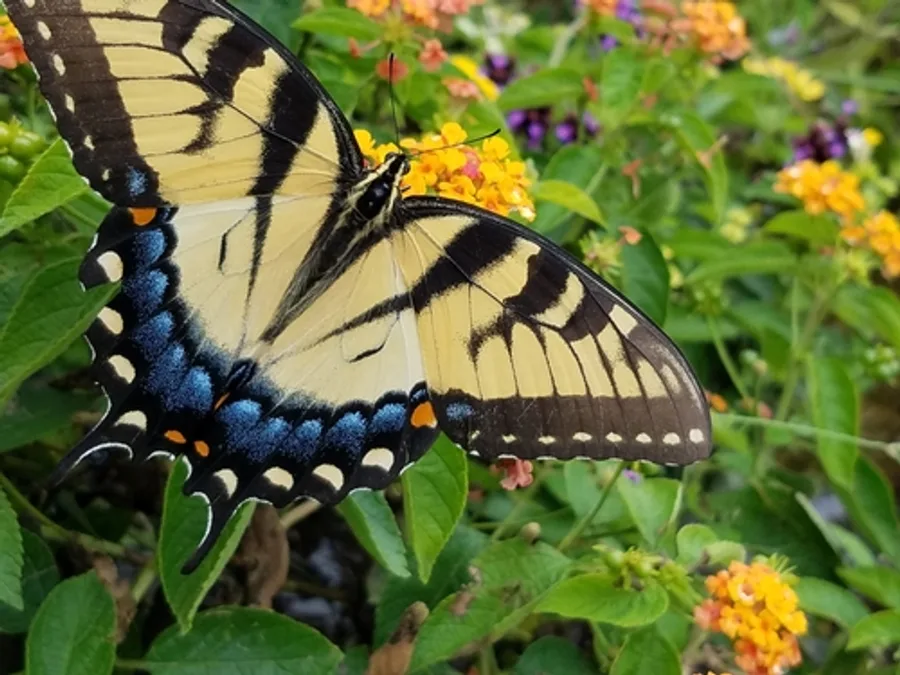
Eastern Tiger Swallowtail, photographed at or near Green Ridge State Forest
cc0

Eastern Tiger Swallowtail Papilio glaucus

Often seen

A big yellow butterfly with four bold black 'tiger' stripes on each forewing and tails on the hindwings; some females are entirely blackish instead of yellow.

Where to look
Sunny clearings, roadsides, and mud puddles all over GRSF. This is Maryland's state insect
When
On the wing May–September
Months
May to September

See Eastern Tiger Swallowtail in the app

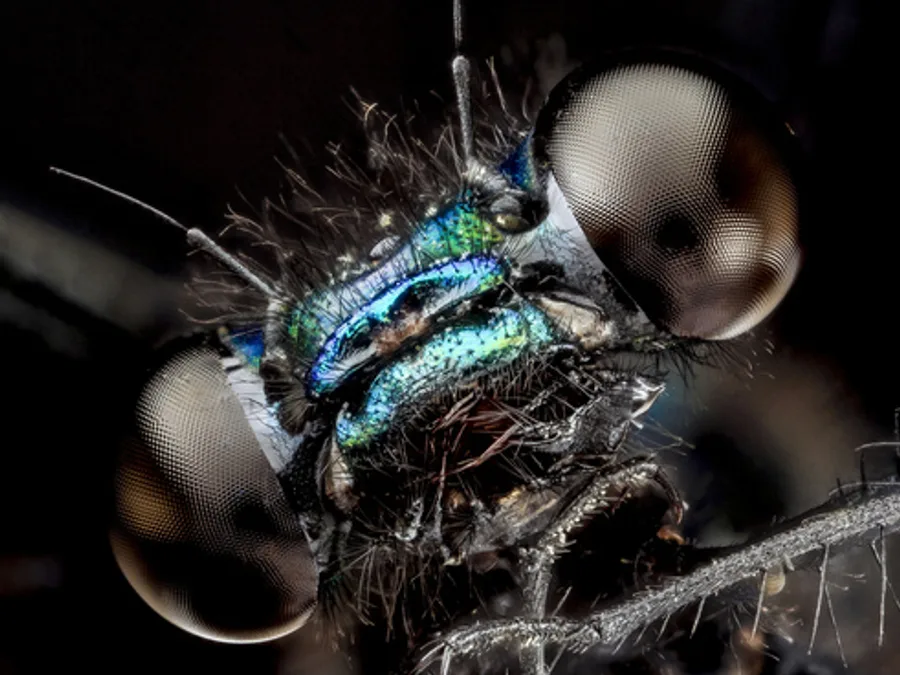
Ebony Jewelwing, photographed at or near Green Ridge State Forest
cc0

Ebony Jewelwing Calopteryx maculata

Often seen

A damselfly that flies like a butterfly, fluttering jet-black wings over a body of impossible metallic emerald, patrolling shaded creek pools.

Where to look
Fifteenmile Creek and every shaded stream. They perch on sunlit leaves and flick their wings open
When
On the wing May–August
Months
May to August
Easily confused with
Dragonflies rest with wings flat out; jewelwings fold theirs together and fly with a slow flutter no dragonfly uses.

See Ebony Jewelwing in the app

Emerald Ash Borer, photographed at or near Green Ridge State Forest
Tom Norton · cc-by

Emerald Ash Borer Agrilus planipennis

Sometimes seen

A small, slender, brilliant metallic-green beetle about a half-inch long; you're far more likely to see its calling card: neat D-shaped exit holes in ash bark and dying ash crowns.

Where to look
On and around ash trees; watch for D-shaped holes and thinning, dying ash across GRSF
When
Adults active late spring–summer
Months
May to August
Invasive
This beetle has devastated ash trees across the region. Report signs to the MD DNR Forest Service (dnr.maryland.gov/forests). Most important thing you can do: don't move firewood. Buy it where you burn it, since firewood is how the larvae travel.

See Emerald Ash Borer in the app

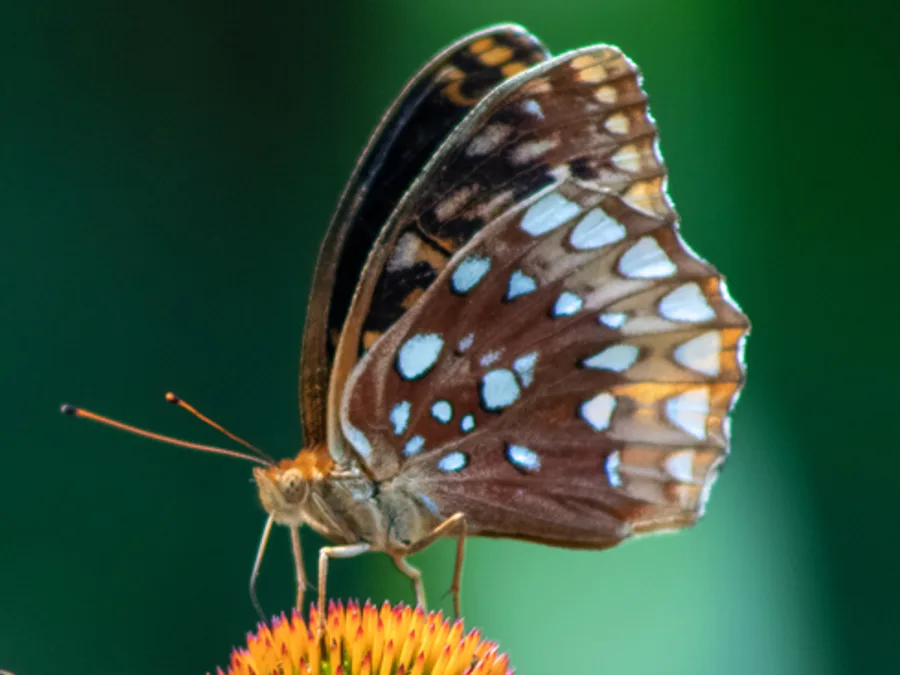
Great Spangled Fritillary, photographed at or near Green Ridge State Forest
cc0

Great Spangled Fritillary Argynnis cybele

Often seen

A big bright-orange summer butterfly with black chain-link patterning above. Underneath, silver spangles scatter across the wings like drops of mercury.

Where to look
Milkweed and thistle patches in sunny clearings; the caterpillars feed only on violets, at night
When
One long brood, June–September
Months
June to September
Easily confused with
Monarchs sail with flat wings and have white-spotted black borders; fritillaries flap-and-glide and flash silver beneath.

See Great Spangled Fritillary in the app

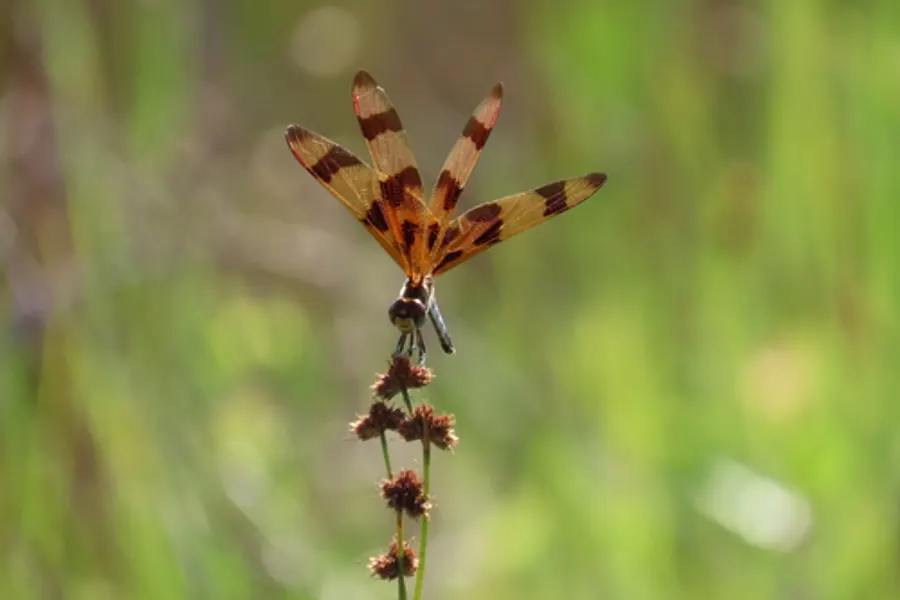
Halloween Pennant Dragonfly, photographed at or near Green Ridge State Forest
geosesarma · cc-by

Halloween Pennant Dragonfly Celithemis eponina

Sometimes seen

An orange-and-brown dragonfly whose wings are banded in amber and dark brown; it perches at a stem tip and flutters in the wind like a little flag.

Where to look
Perched on tall stems near ponds, wet meadows, and slow water
When
On the wing June–September
Months
June to September

See Halloween Pennant Dragonfly in the app

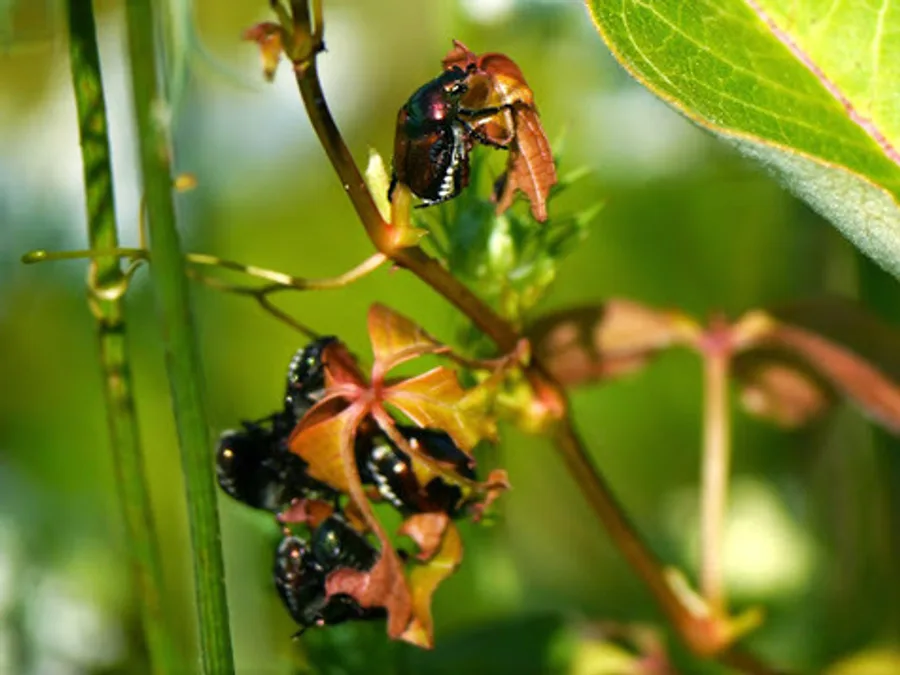
Japanese Beetle, photographed at or near Green Ridge State Forest
116916927065934112165 · cc-by

Japanese Beetle Popillia japonica

Often seen

A shiny beetle about a half-inch long with a coppery back and a metallic-green head, with little white tufts of hair poking out along each side; often clustered feeding in groups.

Where to look
Skeletonizing leaves on many plants in sunny areas, often several to a leaf
When
Adults swarm June–August
Months
June to August
Easily confused with
The row of small white hair tufts along its sides separates it from native look-alike beetles.
Invasive
A widespread invasive plant pest. No need to report it, but don't move infested plants or soil that might carry its grubs.

See Japanese Beetle in the app

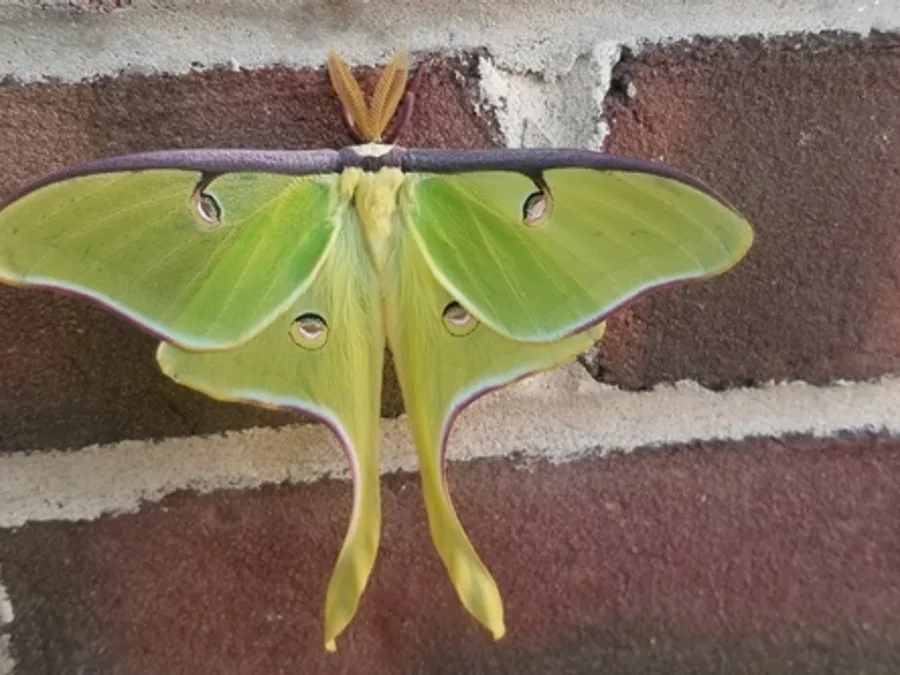
Luna Moth, photographed at or near Green Ridge State Forest
Jack Byrley · cc-by

Luna Moth Actias luna

Rarely seen

A stunning pale-green moth as big as your palm, with long twisting hindwing tails and a translucent eyespot on each wing; a rare treat, usually seen at night near lights.

Where to look
Drawn to lights at night; adults live only about a week
When
Adults May–September, flying at night
Months
May to September

See Luna Moth in the app

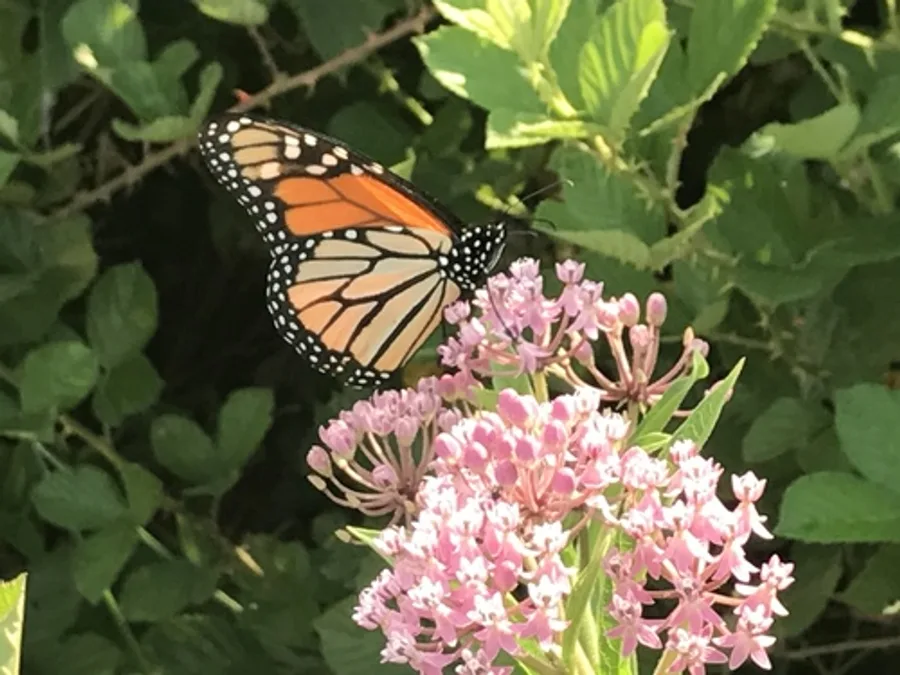
Monarch Butterfly, photographed at or near Green Ridge State Forest
Michael Ellis · cc-by

Monarch Butterfly Danaus plexippus

Sometimes seen

The famous orange butterfly with heavy black veins and a black, white-dotted border; you'll often see them drifting south in loose numbers in fall.

Where to look
Meadows and open sunny areas, especially near milkweed
When
Present summer; peak migration Aug–October
Months
June to October
Easily confused with
The viceroy mimics it but is smaller with an extra black line across the hindwing.

See Monarch Butterfly in the app

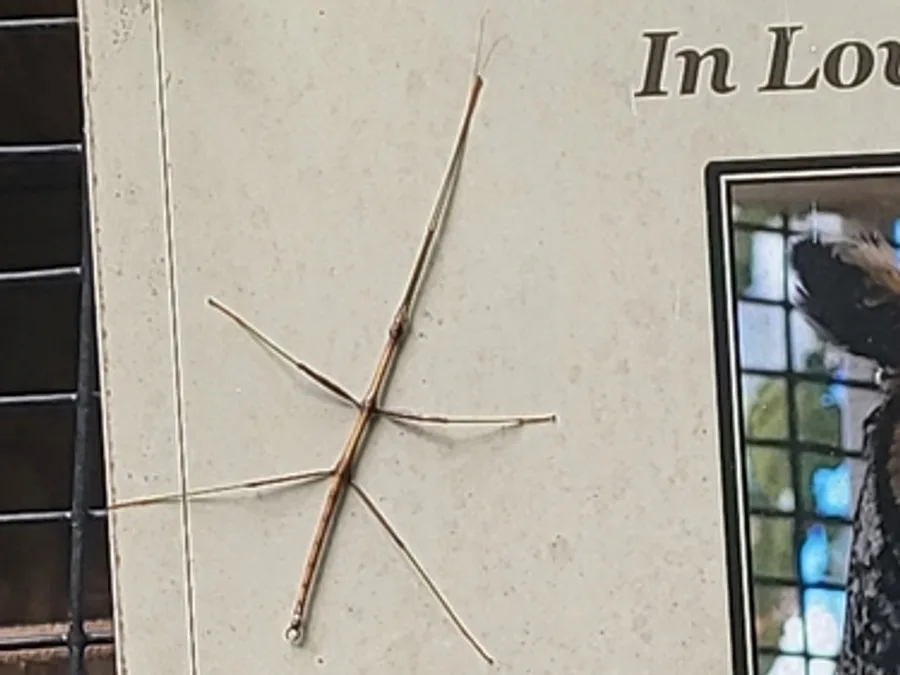
Northern Walking Stick, photographed at or near Green Ridge State Forest
cc0

Northern Walking Stick Diapheromera femorata

Sometimes seen

A long, impossibly thin green or brown insect that looks exactly like a bare twig, with skinny legs held stiffly out; it barely moves and is easy to walk right past.

Where to look
On the leaves and twigs of oaks and cherries; look closely
When
Adults summer–fall
Months
July to October

See Northern Walking Stick in the app

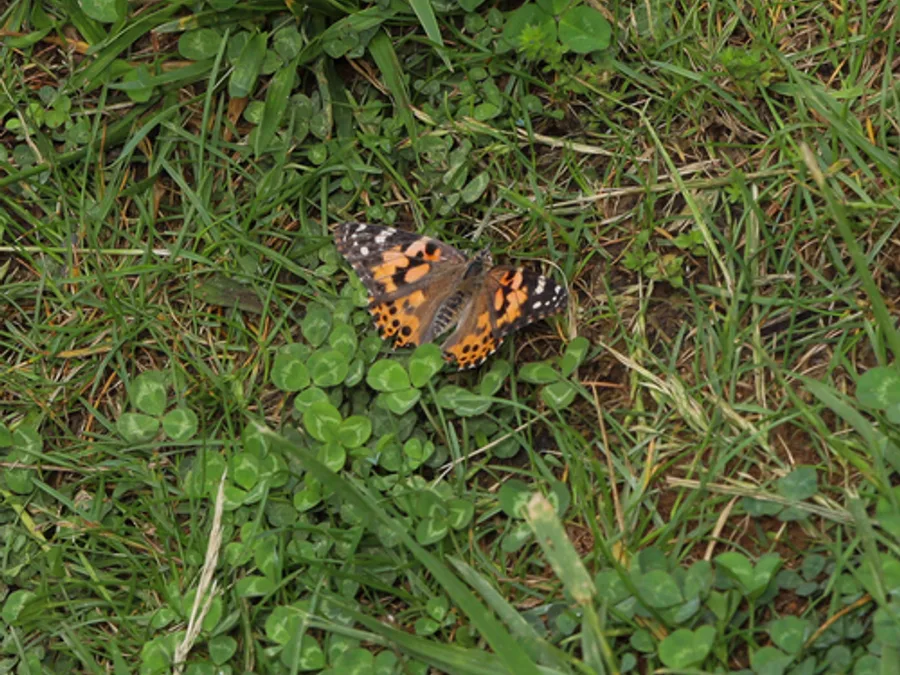
Painted Lady, photographed at or near Green Ridge State Forest
Adrienne van den Beemt · cc-by

Painted Lady Vanessa cardui

Sometimes seen

A medium orange-brown butterfly patterned with black and white, with four small eyespots on each hindwing underside; wings look worn and mottled.

Where to look
Open flowery areas, fields, and roadsides
When
On the wing spring–fall, numbers vary year to year
Months
May to September
Easily confused with
The similar American lady has two large hindwing eyespots instead of four small ones.

See Painted Lady in the app

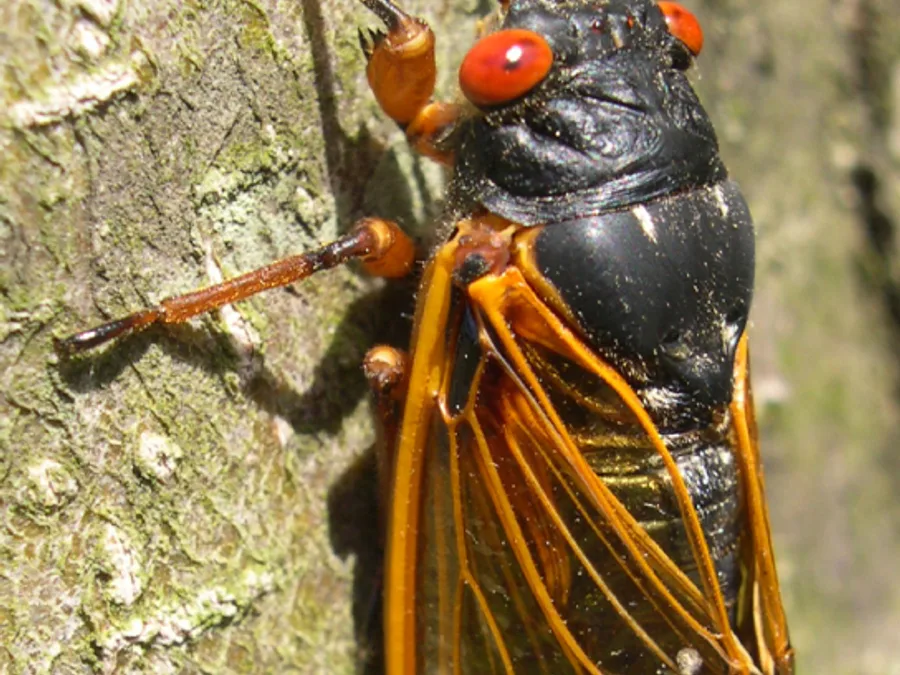
Periodical Cicada, photographed at or near Green Ridge State Forest
Fontaine K, Cooley J, Simon C (2007) · cc-by

Periodical Cicada Magicicada spp.

Rarely seen

Black body, red eyes, orange-veined wings: unmistakable, and in an emergence year, uncountable. Brood V owns this corner of Maryland and returns around 2033.

Where to look
Between emergences you'll only find shed nymph skins on trunks and old egg scars on twigs — then one May, everything, everywhere, all at once
When
Adults for about six loud weeks, May–June, in emergence years only
Months
May to June
Easily confused with
Dog-day (annual) cicadas are green-and-black, come every summer, and have dark eyes. Red eyes mean periodical.
Do not touch
Completely harmless. They don't bite or sting. Dogs will eat them until they regret it.

See Periodical Cicada in the app

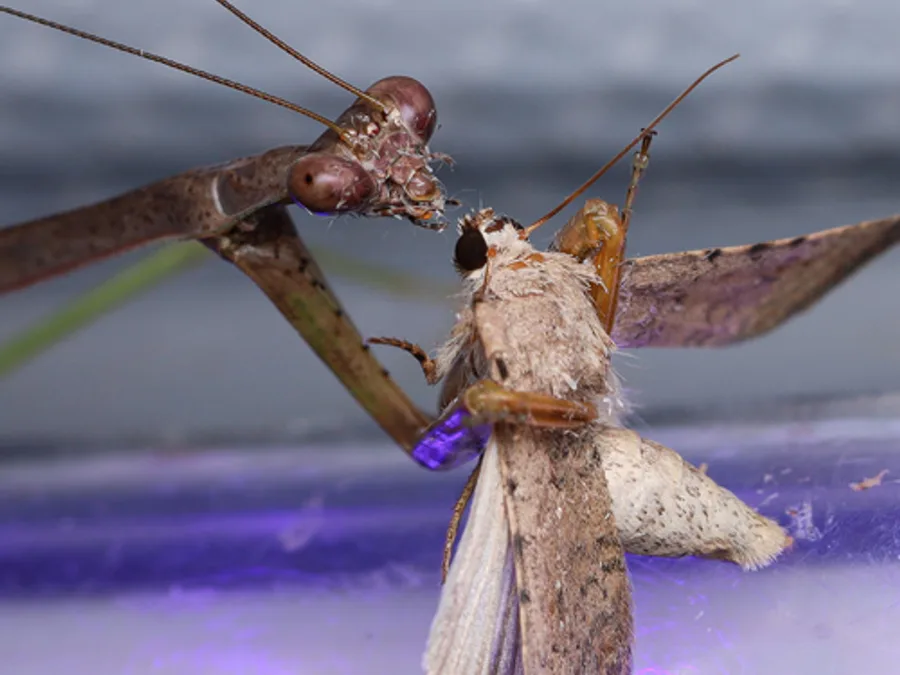
Praying Mantis (Carolina), photographed at or near Green Ridge State Forest
Adrienne van den Beemt · cc-by

Praying Mantis (Carolina) Stagmomantis carolina

Sometimes seen

A slender green or brown mantis with folded 'praying' front legs and a swiveling triangular head; our smaller native mantis, usually under three inches.

Where to look
Meadows, brush, and sunny plants
When
Adults late summer–fall
Months
August to October
Easily confused with
Smaller than the introduced Chinese mantis, which can reach four inches and is more common in fields.

See Praying Mantis (Carolina) in the app

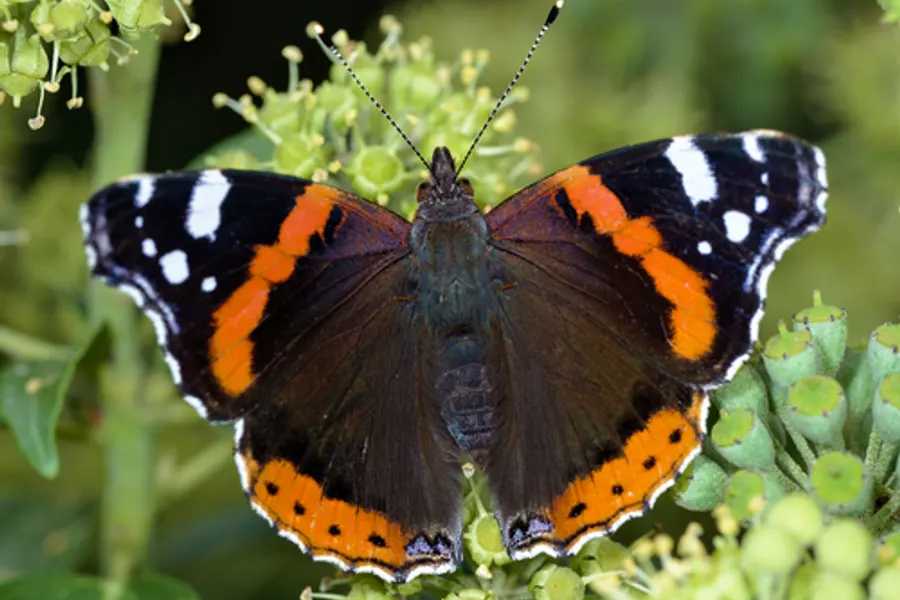
Red Admiral, photographed at or near Green Ridge State Forest
Gilles San Martin · cc-by-sa

Red Admiral Vanessa atalanta

Often seen

A dark butterfly crossed by bright red-orange bands on the forewings and along the hindwing edge, with white spots at the wingtips; often lands on people.

Where to look
Woodland edges, trails, and clearings; frequently basks on sunlit spots
When
On the wing spring–fall
Months
April to October

See Red Admiral in the app

Spicebush Swallowtail, photographed at or near Green Ridge State Forest
Tim Wasserman · cc-by

Spicebush Swallowtail Papilio troilus

Often seen

A dark swallowtail whose hindwings shimmer blue-green (males) or bluer (females), with a row of pale spots along the wing edges.

Where to look
Near its host, spicebush, in moist woods and along edges
When
On the wing May–September
Months
May to September
Easily confused with
Very like the black form of the tiger swallowtail; look for the greenish-blue hindwing sheen and the pale spots.

See Spicebush Swallowtail in the app

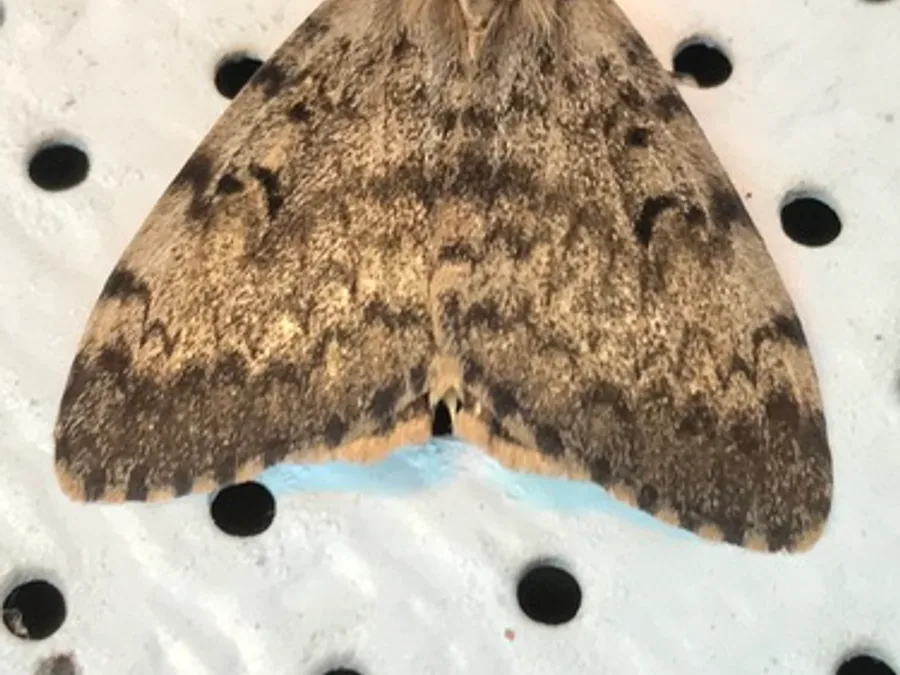
Spongy Moth (Gypsy Moth), photographed at or near Green Ridge State Forest
Mark Eanes · cc-by

Spongy Moth (Gypsy Moth) Lymantria dispar

Sometimes seen

You'll usually notice the caterpillars (dark and hairy with a double row of blue then red dots down the back) or the fuzzy tan egg masses stuck to bark; adult males are brown moths.

Where to look
On oaks, which the caterpillars can strip bare in outbreak years; egg masses on trunks, rocks, and gear
When
Caterpillars May–June; tan egg masses visible fall through winter
Months
May to July
Do not touch
The caterpillar's hairs can cause an itchy rash on some people, so don't handle them bare-handed.
Invasive
An invasive that defoliates oaks in cyclic outbreaks. Report heavy infestations to the MD DNR Forest Service (dnr.maryland.gov/forests). Check tents, gear, and vehicles for the fuzzy egg masses and scrape any off before you leave, so you don't spread it.

See Spongy Moth (Gypsy Moth) in the app

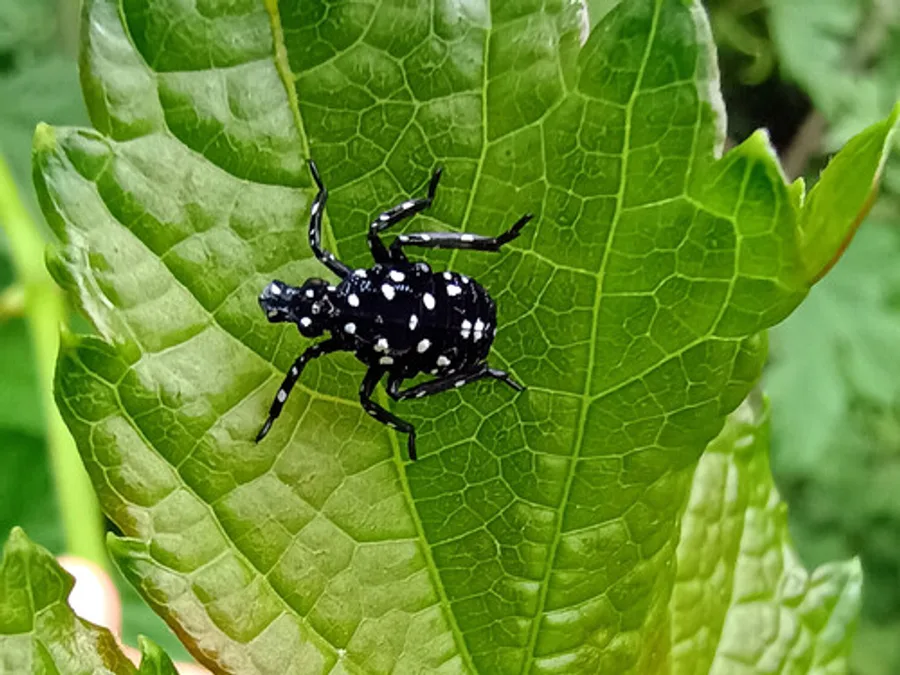
Spotted Lanternfly, photographed at or near Green Ridge State Forest
Katja Schulz · cc-by

Spotted Lanternfly Lycorma delicatula

Sometimes seen

At rest, gray forewings with black spots; when it flushes, it flashes scarlet hindwings banded in black and white. Young nymphs are black (later red) with white spots.

Where to look
On tree-of-heaven and grapevines; egg masses look like smears of dried mud on trunks and flat surfaces
When
Adults Aug–November; spotted nymphs spring–summer
Months
June to November
Do not touch
It doesn't bite or sting people, but this one you should kill on sight, and scrape off any egg masses you find.
Invasive
A priority invasive and a serious threat to trees and crops. Report it right away to the MD Department of Agriculture (mda.maryland.gov). Squash adults and nymphs, scrape egg masses into a bag, and check your gear and vehicle so you don't carry it out.

See Spotted Lanternfly in the app

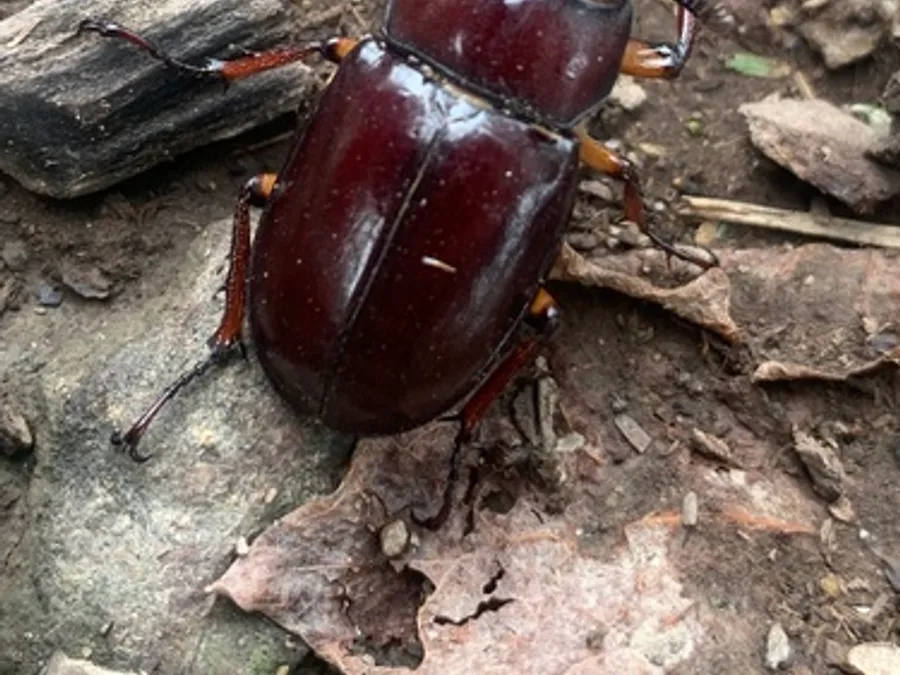
Stag Beetle, photographed at or near Green Ridge State Forest
Jacob Malcom · cc-by-sa

Stag Beetle Lucanus capreolus

Sometimes seen

A shiny reddish-brown beetle; the male carries oversized antler-like jaws (mandibles) held out front like a set of pincers.

Where to look
Around lights at night; larvae develop in decaying oak logs
When
Adults Jun–August, mostly at night
Months
June to August
Do not touch
The big 'antlers' look fierce but are mostly for show. A large male can give a mild pinch if you handle it, so let it walk on its own.

See Stag Beetle in the app

Wheel Bug, photographed at or near Green Ridge State Forest
gailhampshire · cc-by

Wheel Bug Arilus cristatus

Sometimes seen

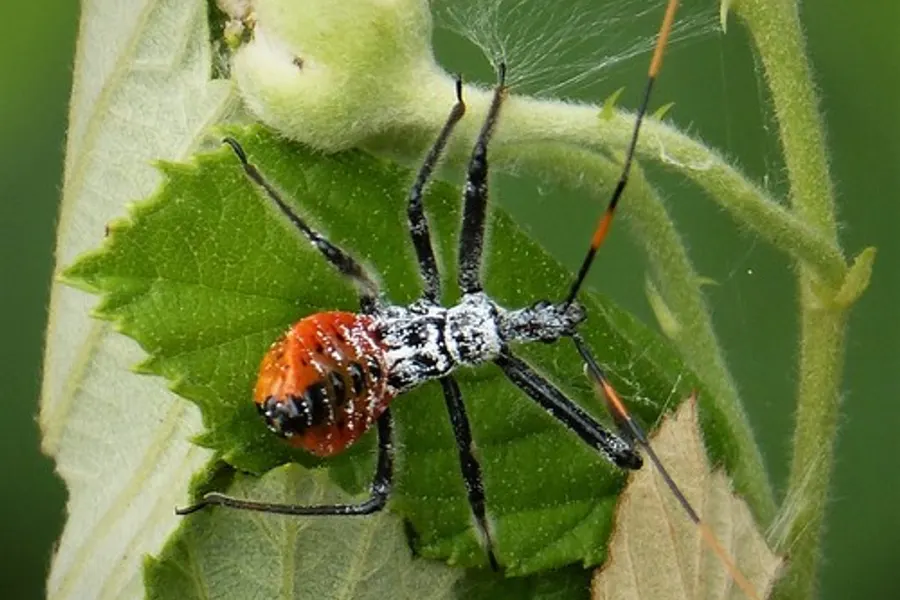
A big gray armored assassin bug with a bizarre cog-wheel crest on its back, like a dinosaur shrunk to thumb size, stalking slowly through foliage after caterpillars.

Where to look
Shrubs, sunflower heads, and tree trunks. Often motionless, easy to mistake for bark
When
Adults most visible July–October
Months
July to October
Easily confused with
No other local insect has the cog-wheel. Leaf-footed bugs are browner, flatter, and harmless.
Do not touch
Look, don't handle. It's a gardener's friend, but its defensive bite is genuinely painful: most people rate it worse than a bee sting, and it can ache for days.
See Wheel Bug in the app

The rest of the nature guide