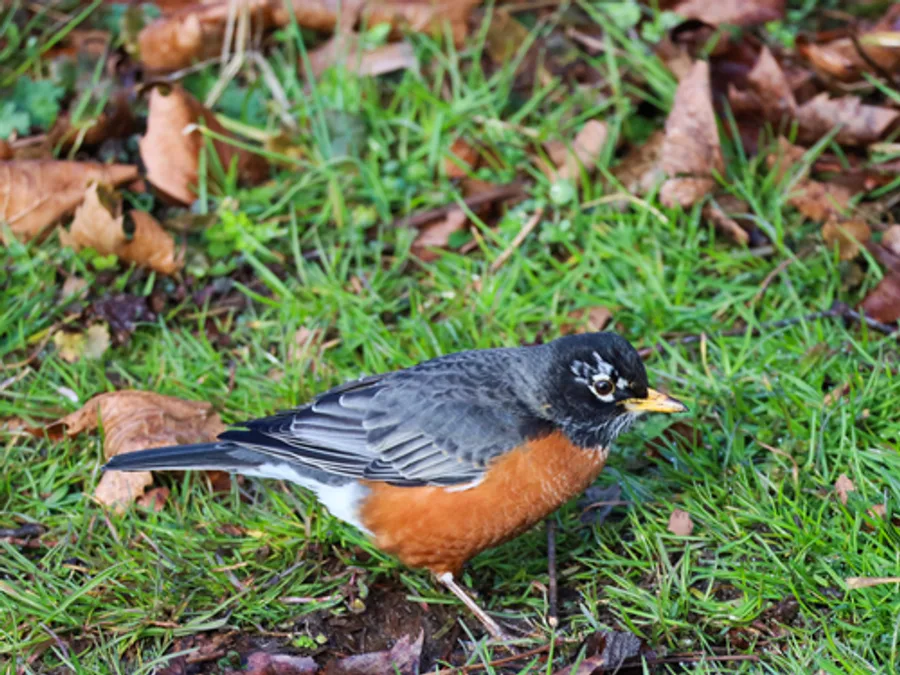
American robin Turdus migratorius
Often seen
A caroling “cheerily, cheer-up, cheerio” that opens the dawn chorus before first light; sometimes sings at night.
- Season
- Mar–Jul
- Months
- March to July
- Time of night
- dawn, dark
67 entries from the forest's field guide.
A primitive site at Green Ridge is dark and it is not quiet. Almost all of this is small and none of it is coming for you, and knowing which is which is the difference between a bad night and a good one. One page rather than four: split by animal the human-made sounds are three entries, which is a stub.
Every photograph here is openly licensed and credited to the person who took it. The recordings are in the app — open the nature guide to hear them.
Often seen
A caroling “cheerily, cheer-up, cheerio” that opens the dawn chorus before first light; sometimes sings at night.
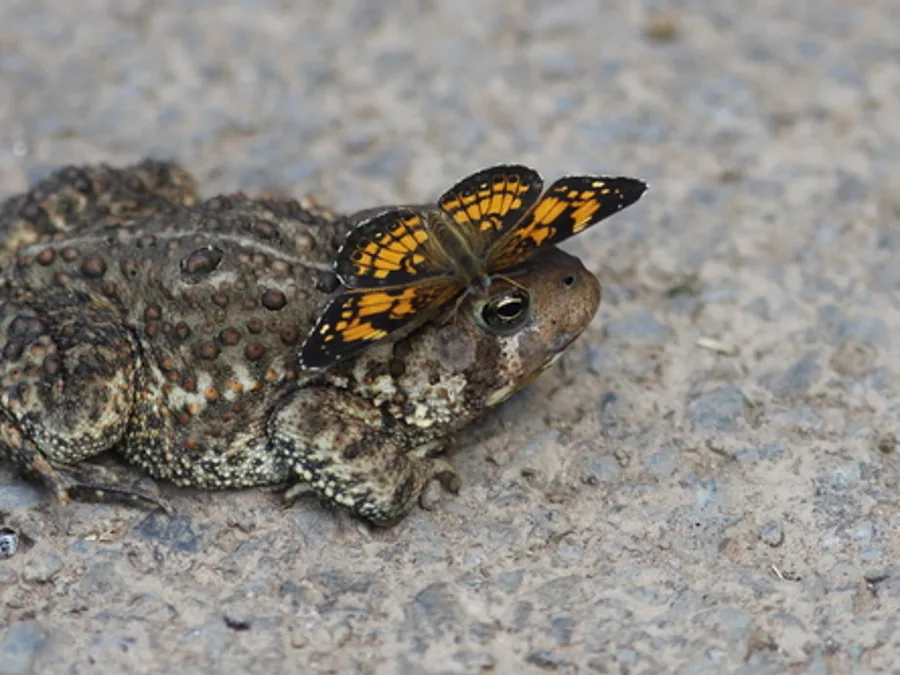
Often seen · after dark
A long, high, musical trill held for up to 30 seconds. Overlapping toads make a shimmering drone.
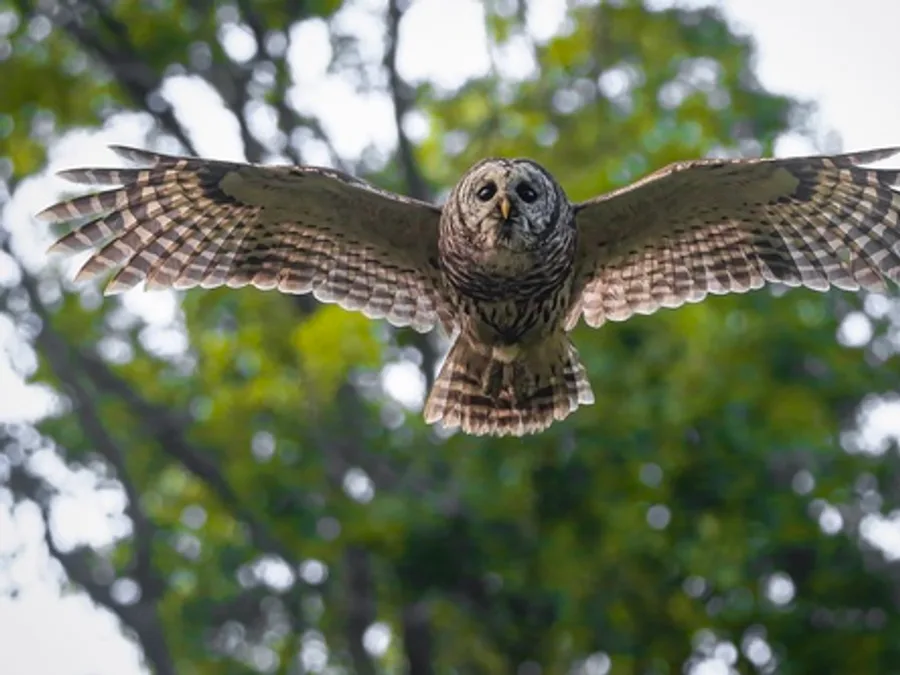
Often seen · after dark
Emphatic “who-cooks-for-you, who-cooks-for-you-all”; pairs duet at dusk and dawn, sometimes a raucous caterwaul.
Often seen · after dark
A soft, high, buzzy trill from the leaf litter, blending into the late-summer floor hum.
Often seen
A ringing “teakettle-teakettle-teakettle,” far louder than the tiny bird. It leads the dawn chorus year-round.
Often seen · after dark
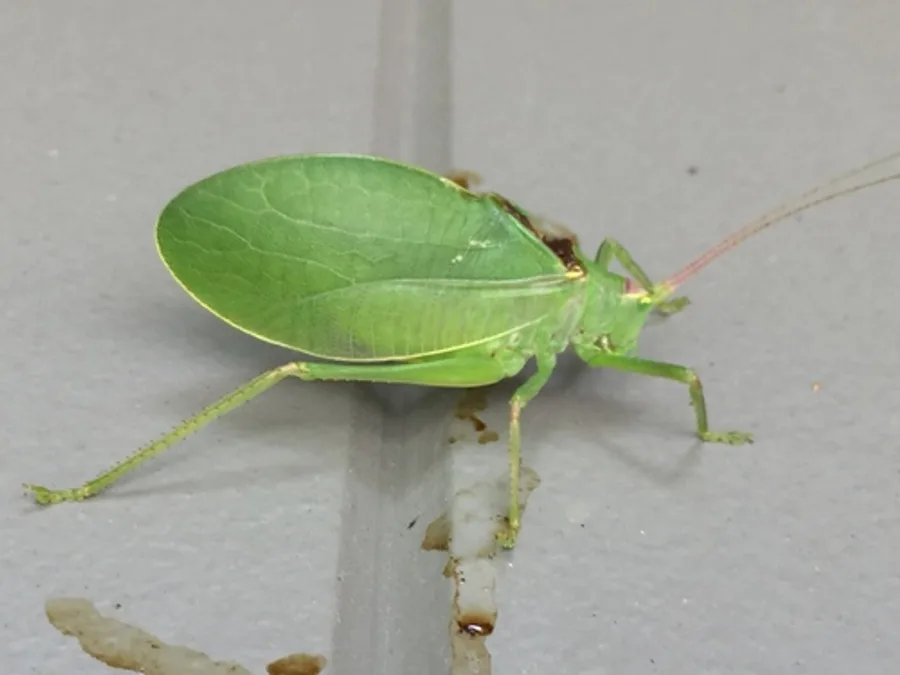
The classic canopy call: a raspy, argumentative “Katy-DID, Katy-DIDN'T” from every treetop after dark.
Often seen
A loud, whining, buzz-saw drone that swells and fades. It's the sound of a hot afternoon, trailing into dusk. (Daytime, but included as the day→night handoff.)
Often seen
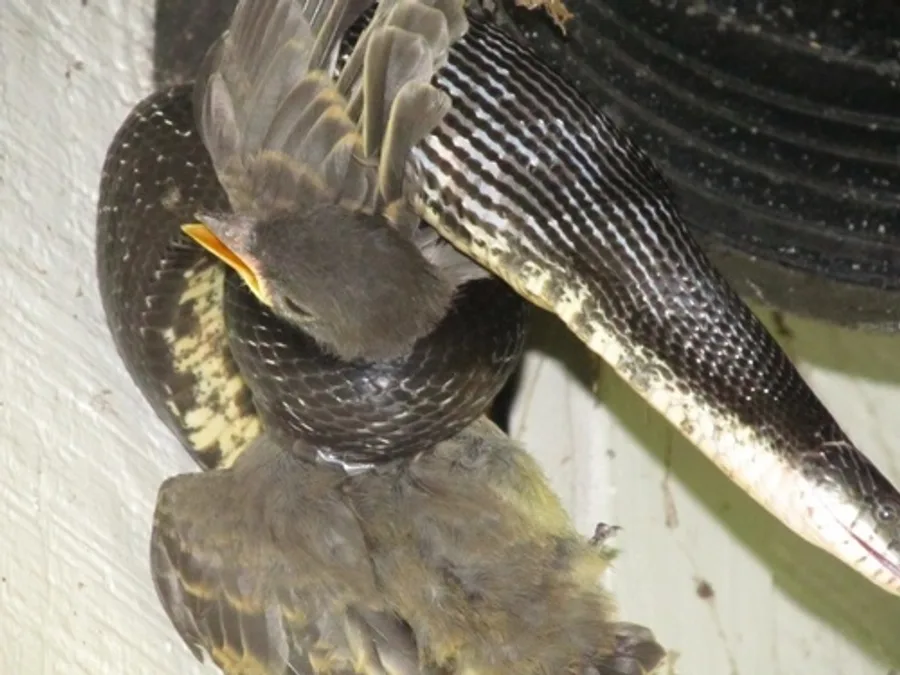
A raspy, emphatic “FEE-bee,” one of the earliest spring dawn voices along the streams.
Often seen · after dark
A descending horse-like whinny and a soft, even trill. Never an actual screech.
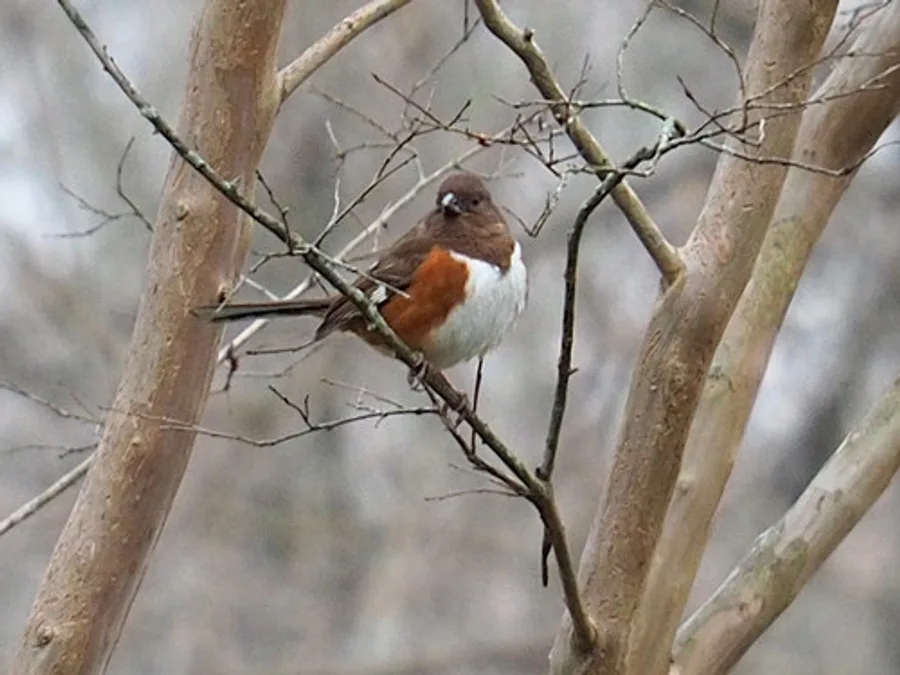
Often seen
A buzzy “drink-your-TEA” and a sharp “chewink” from the brushy understory.
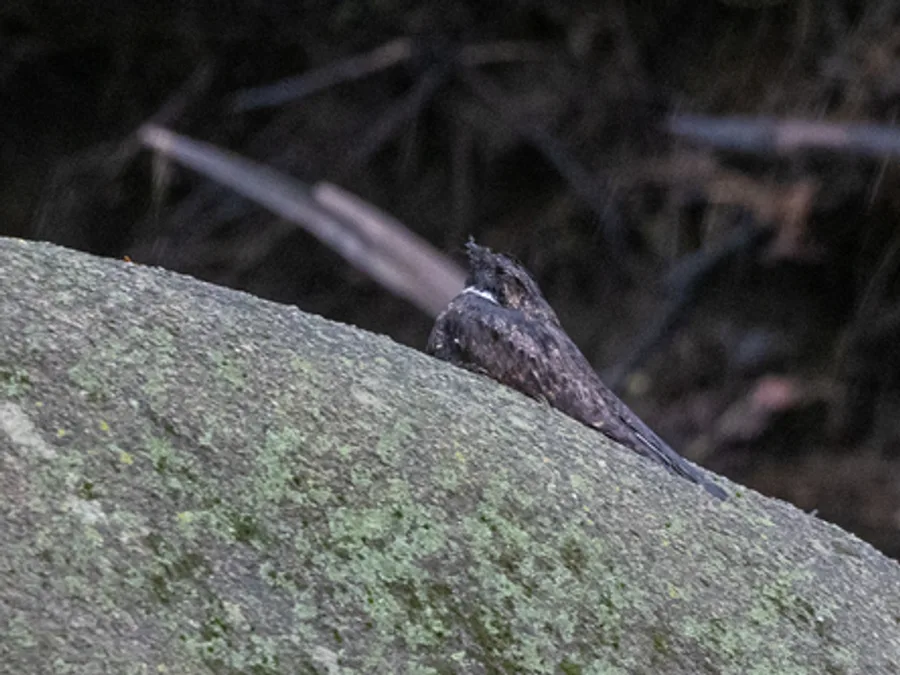
Often seen · after dark
Chants its own name, “WHIP-poor-WILL,” for minutes on end from the dry oak ridges. Green Ridge is prime habitat.

Often seen · after dark
The familiar mellow “chirp…chirp…chirp” from the ground and leaf litter, day into night.
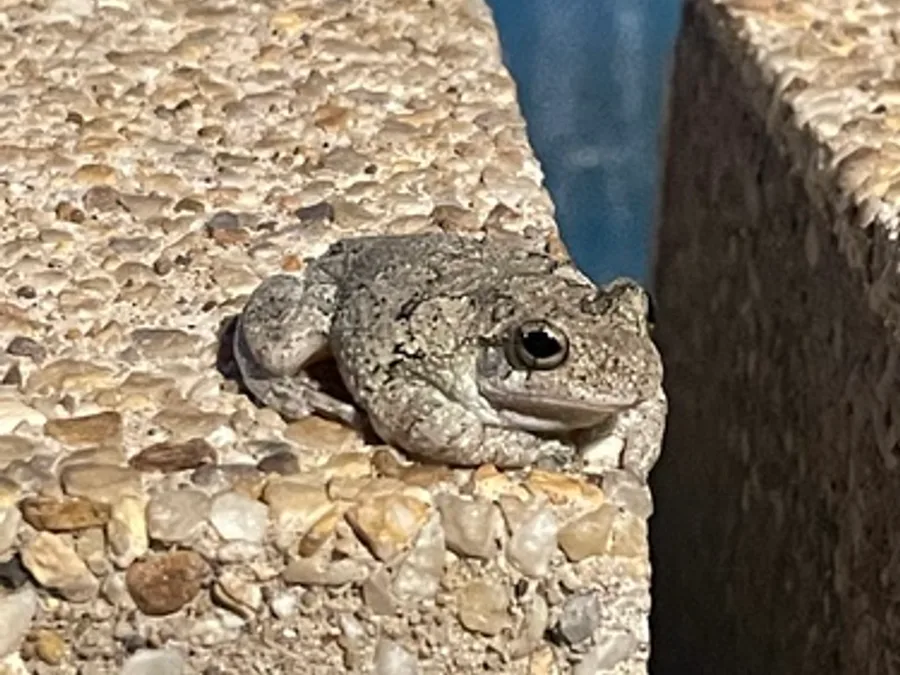
Often seen · after dark
A short, flute-like resonant trill from up in the trees on warm, humid nights.

Often seen · after dark
A single, loose “gunk” like a plucked banjo string. Often one, then a lazy reply.
Often seen · after dark
High, soft, continuous trills that blend into the steady background hum of a late-summer night.
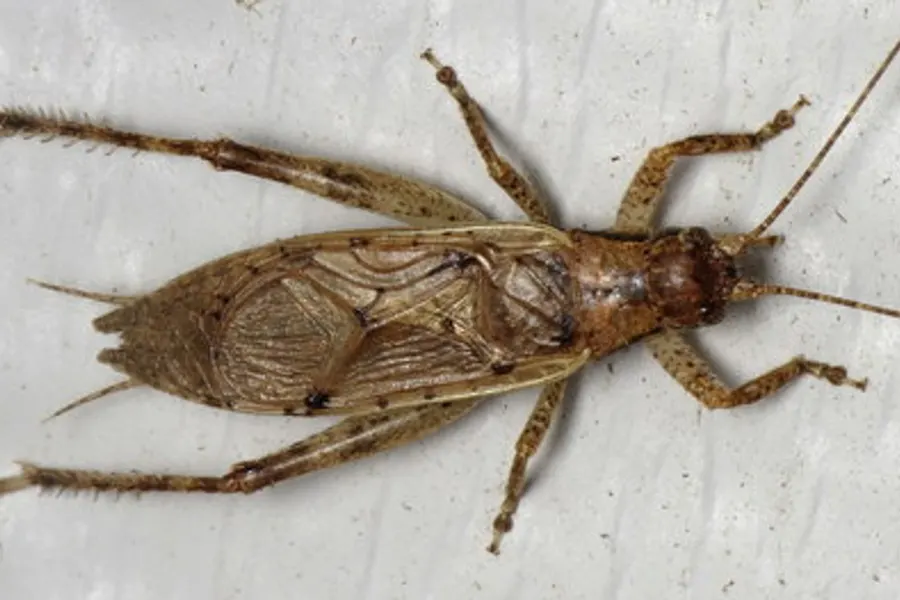
Often seen · after dark
Loud, sharp, well-spaced chirps from shrubs and low trees, a signature of late-summer nights.
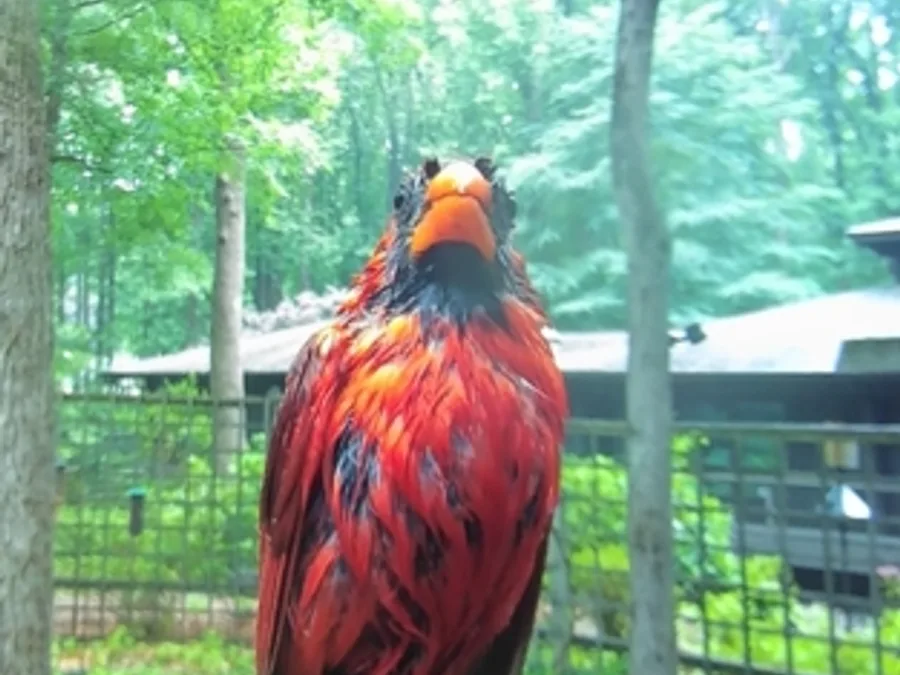
Often seen
Clear slurred whistles of “birdy-birdy-birdy” and “cheer-cheer,” often the first and last song of the day.
Often seen
An emphatic, ringing “teacher-TEACHER-TEACHER” rising through the daytime forest; also a jumbled flight song at night.
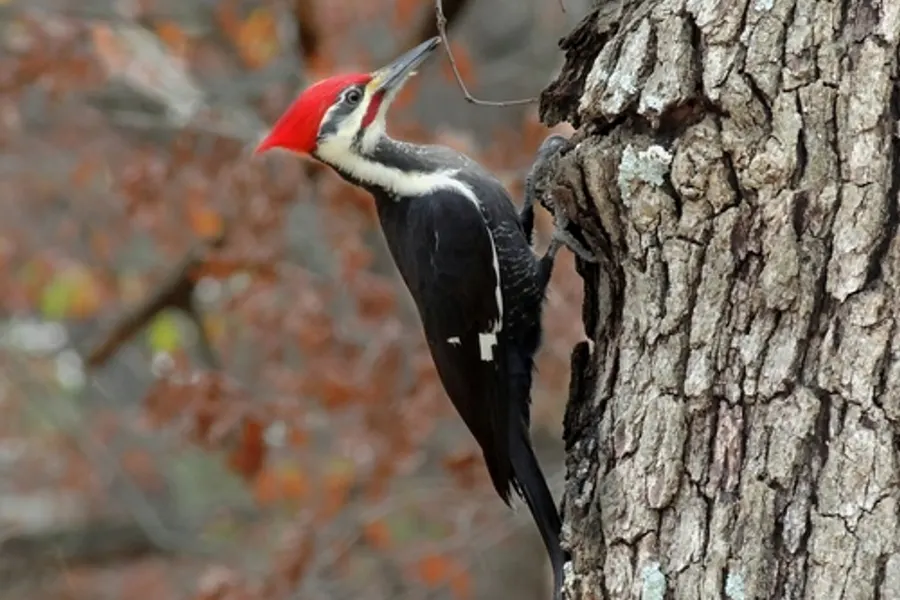
Often seen
A loud, ringing, jungle-like laugh and heavy slow drumming from the crow-sized woodpecker of big timber.
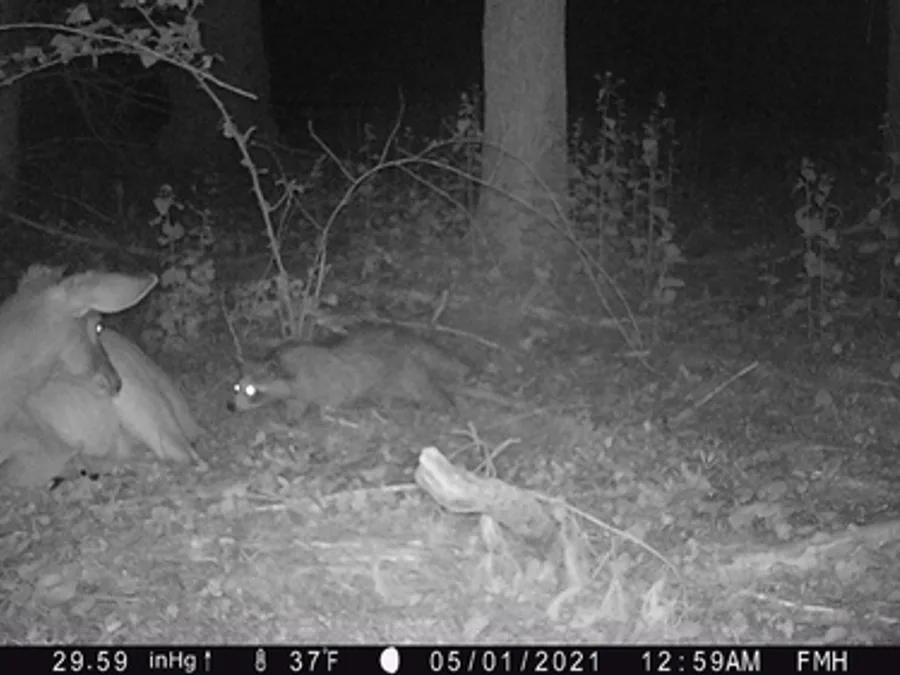
Often seen · after dark
Chitters, purrs, growls, and eerie tremolo screams, often two squabbling over food.
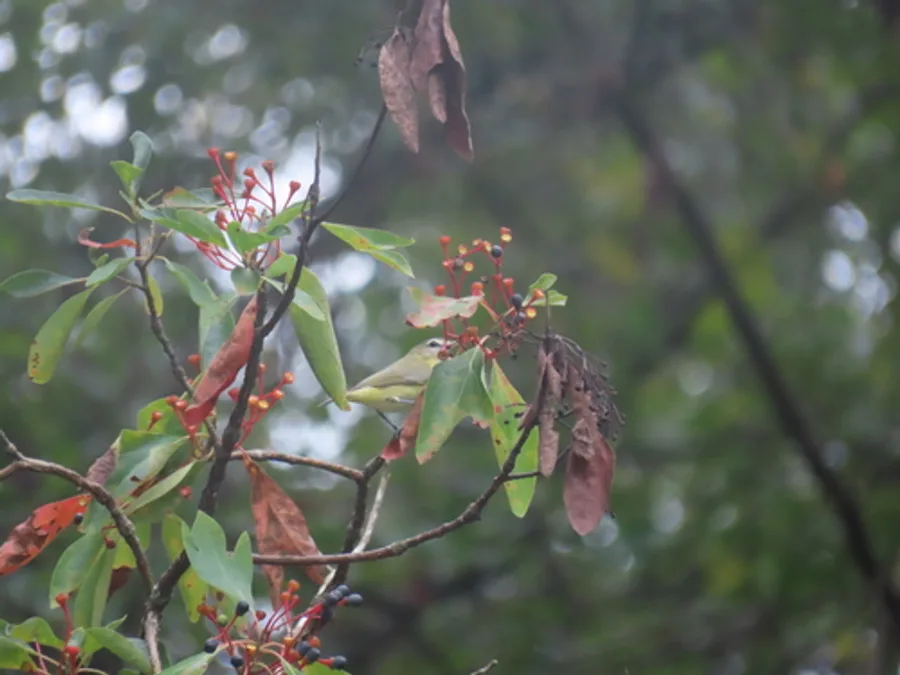
Often seen
An endless question-and-answer of short phrases through the summer heat, from the tireless “preacher bird.”
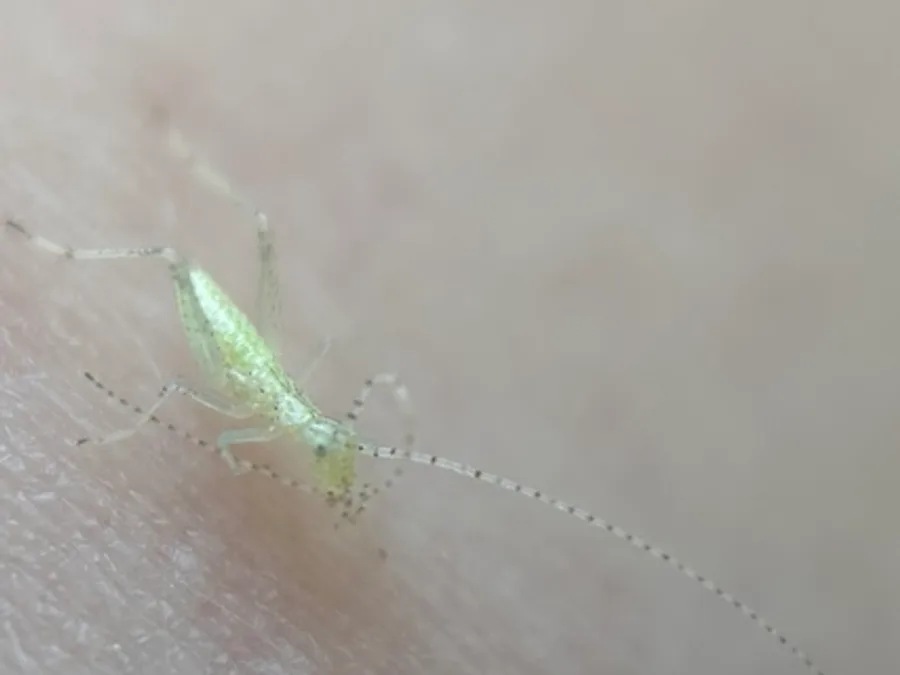
Often seen · after dark
A pure, pulsing chirp that all sync together. This is the “thermometer cricket”: count chirps in 13 s, add 40, for the temperature in °F.
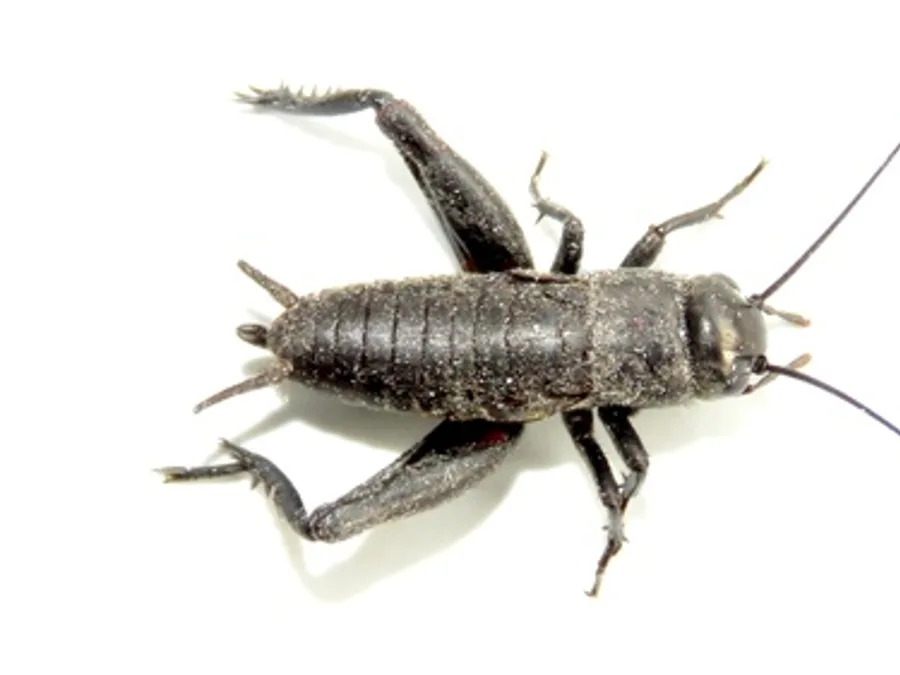
Often seen · after dark
The familiar mellow chirp of early summer. It's the fall field cricket's twin, a season ahead.
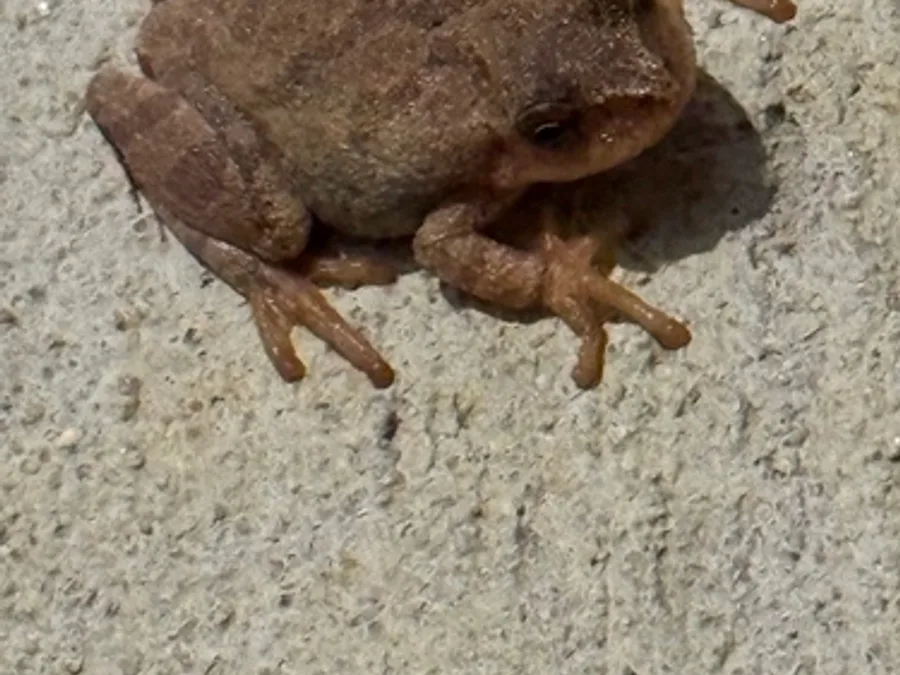
Often seen · after dark
A single high, rising “peep” × a thousand — a deafening sleigh-bell wall of sound from every wet low spot.
Often seen
Distant, rhythmic flat “pops” from the public range off National Pike, near the I-68 corridor. The sound carries a couple miles on still mornings.
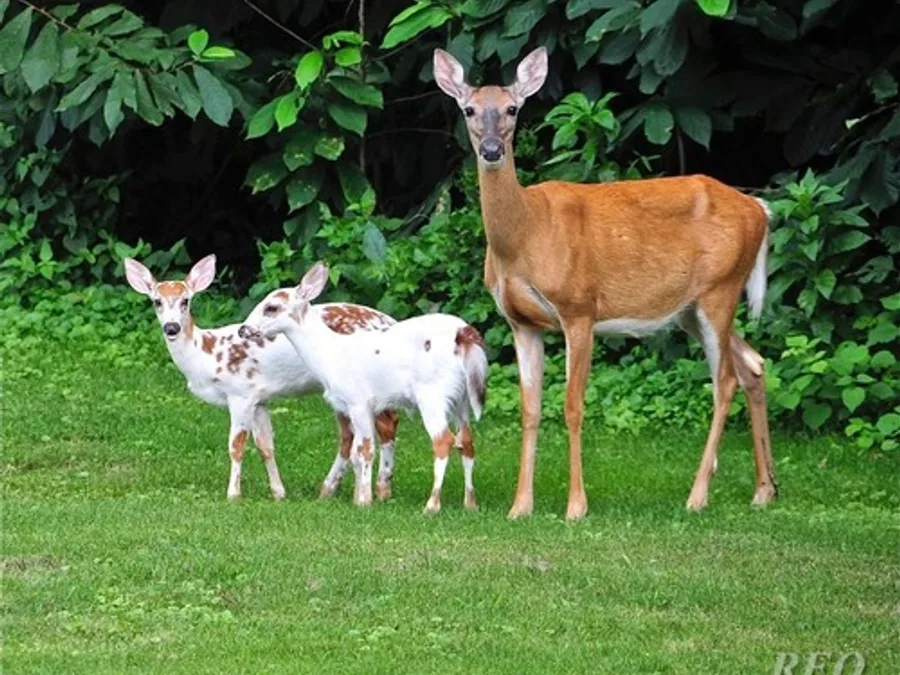
Often seen · after dark
An explosive, whistling “whoosh” snort/blow when it catches your scent — then hooves crashing off through the brush.
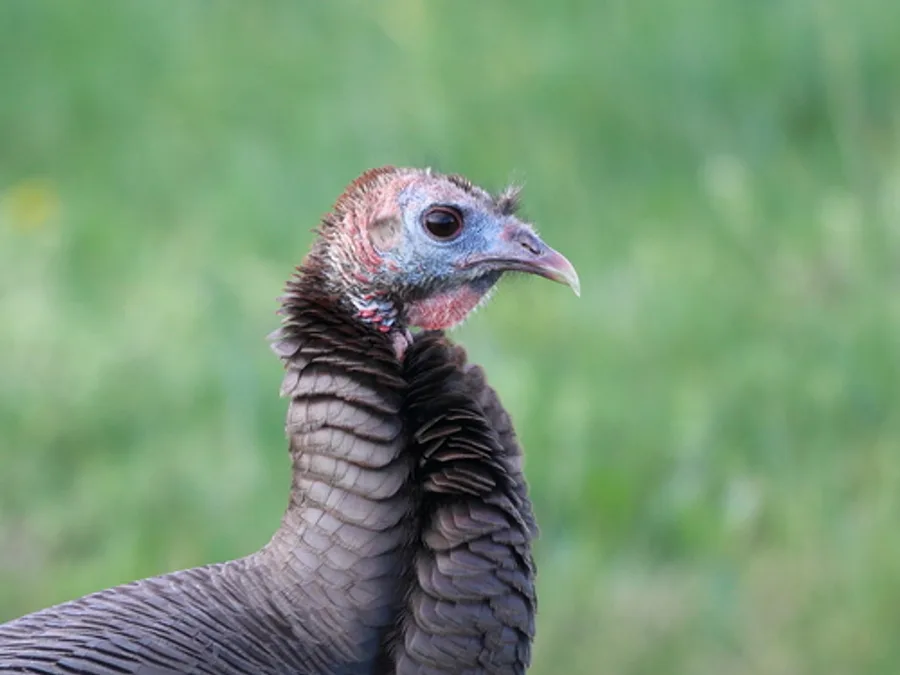
Often seen
Gobbling at first light; a startling clatter of wingbeats as birds fly down from the roost trees.
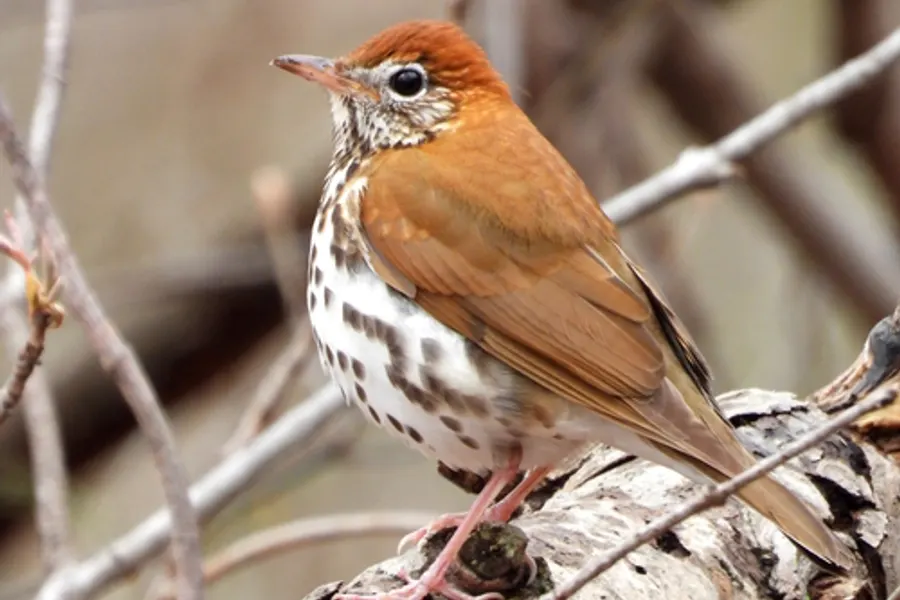
Often seen
The forest's flute: an ethereal “ee-oh-lay” that opens the dawn chorus before full light.
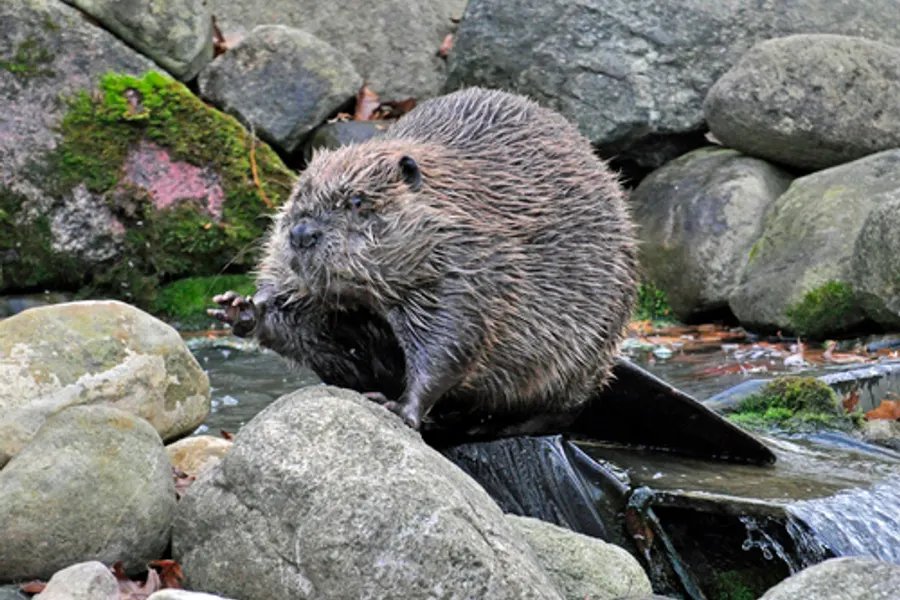
Sometimes seen · after dark
A sudden, cannon-like tail-slap on the water, a warning that carries across a still pond at night.
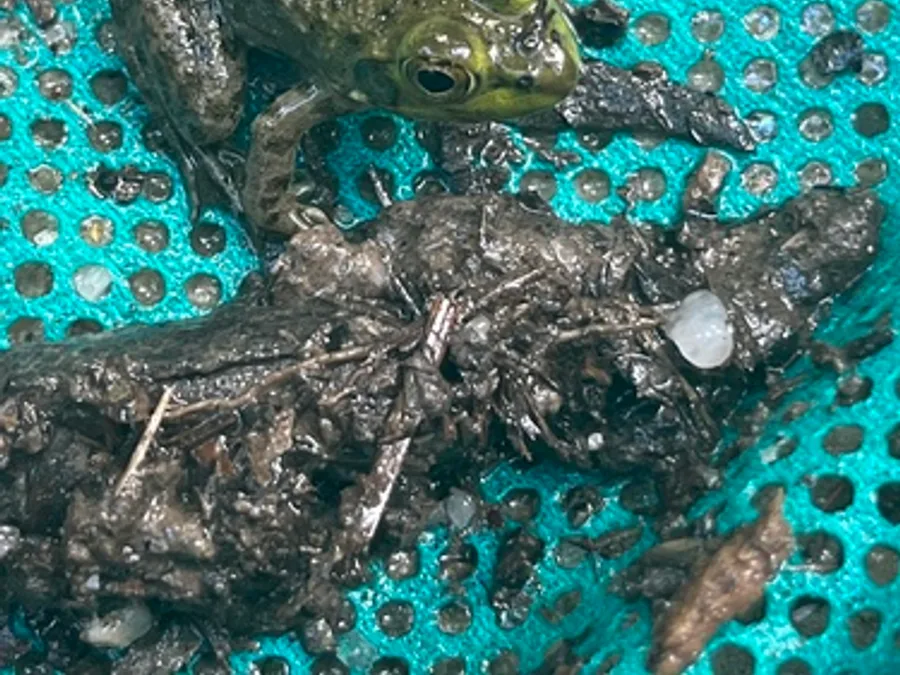
Sometimes seen · after dark
The deep, sonorous “jug-o-rum” that carries across a pond on a summer night.
Sometimes seen
A nasal, buzzy “peent” from the ground at dusk, then a twittering sky-dance display flight.
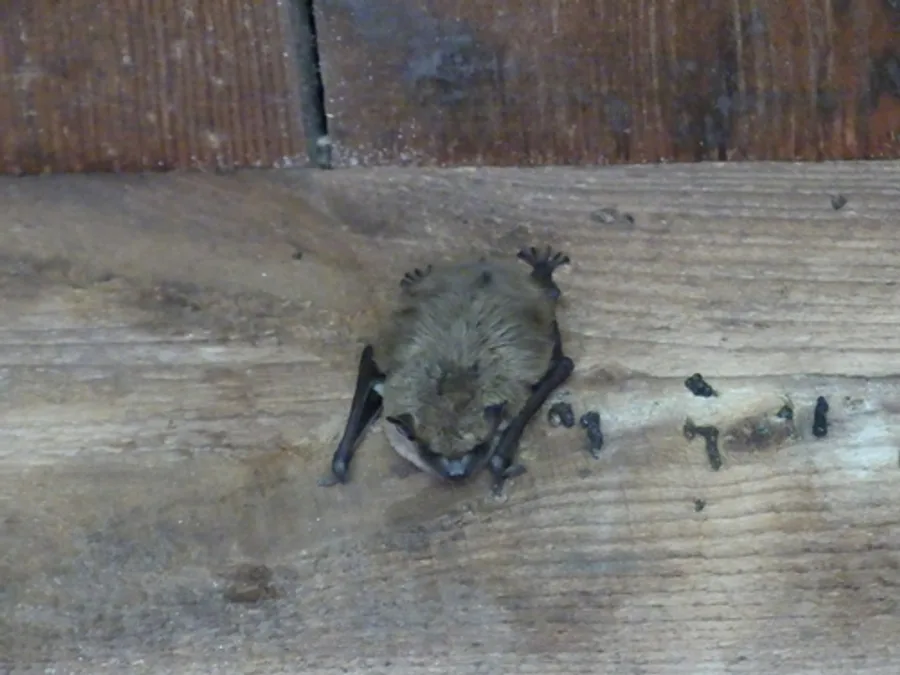
Sometimes seen · after dark
Mostly ultrasonic, but you may catch faint social chitters and the flutter of wings over the clearing at dusk.
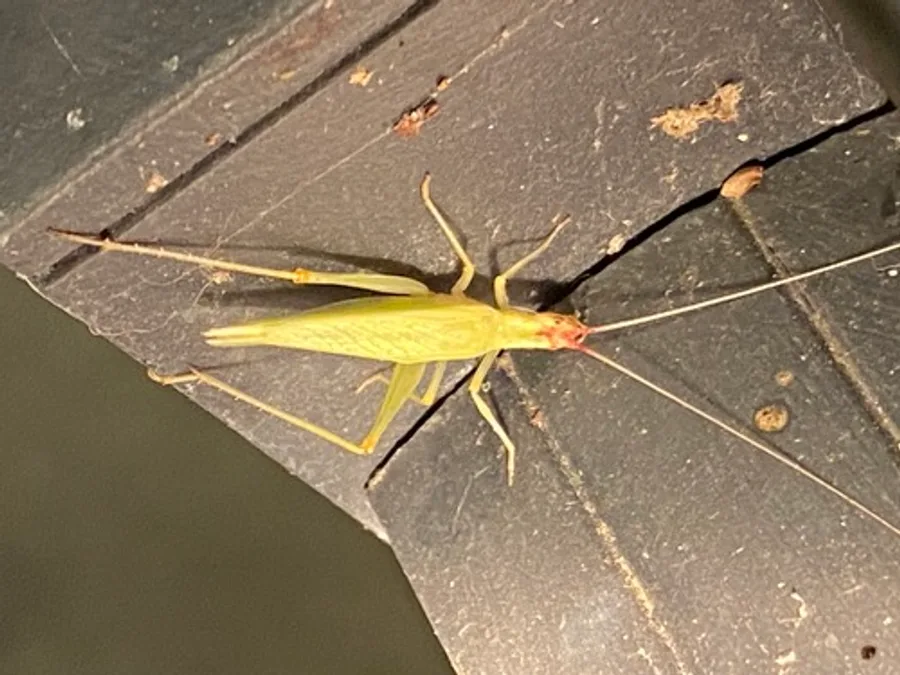
Sometimes seen · after dark
A loud, pure, continuous trill from tangled vegetation. One of the sweeter tree-cricket voices.
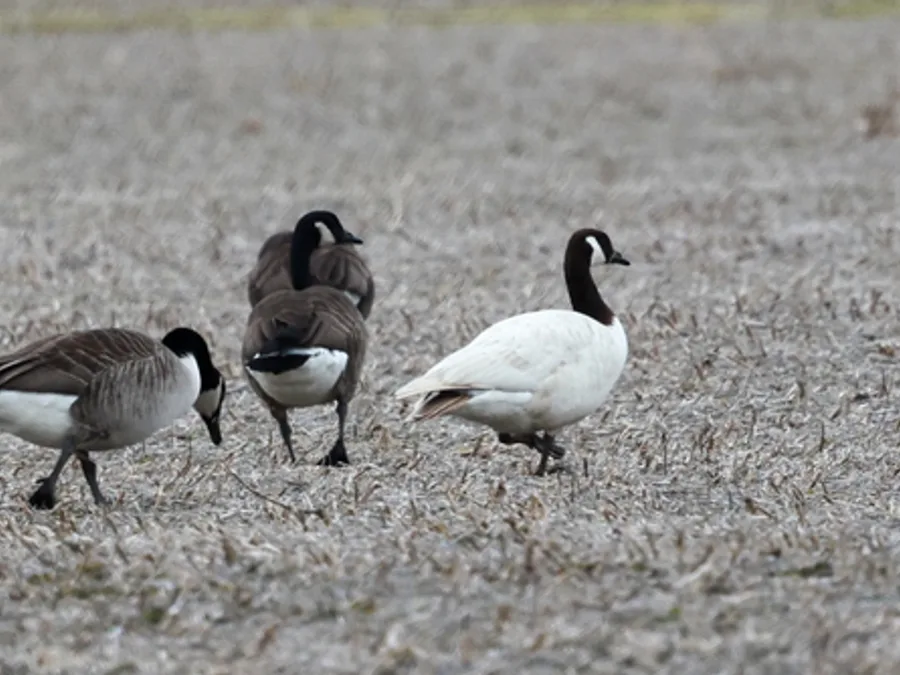
Sometimes seen
Night-migrating flocks trade honks high overhead in spring and fall.
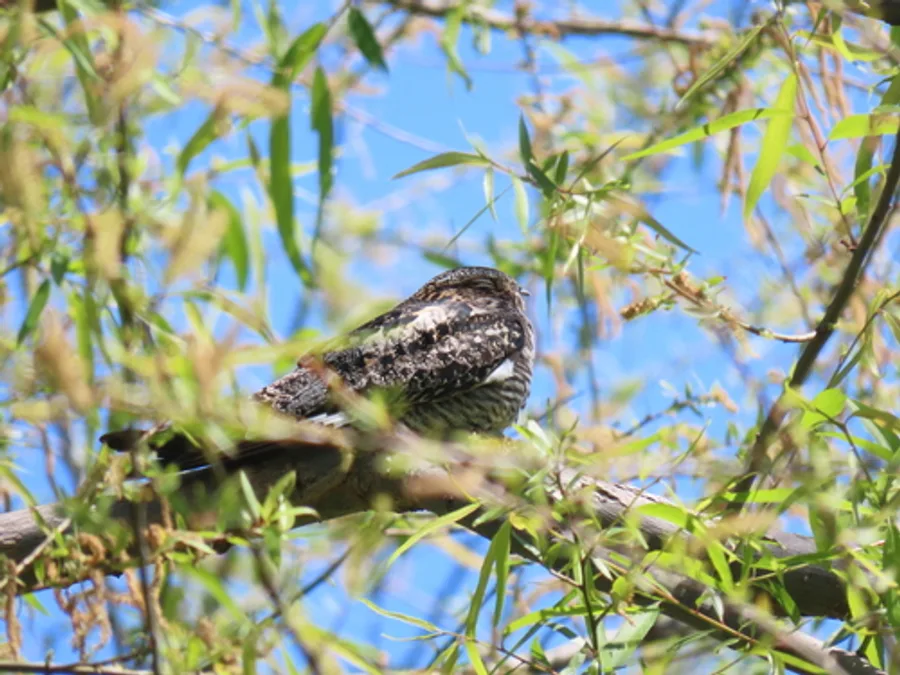
Sometimes seen
A nasal “peent” given in flight at dusk, with a hollow “boom” as the male pulls out of a dive.
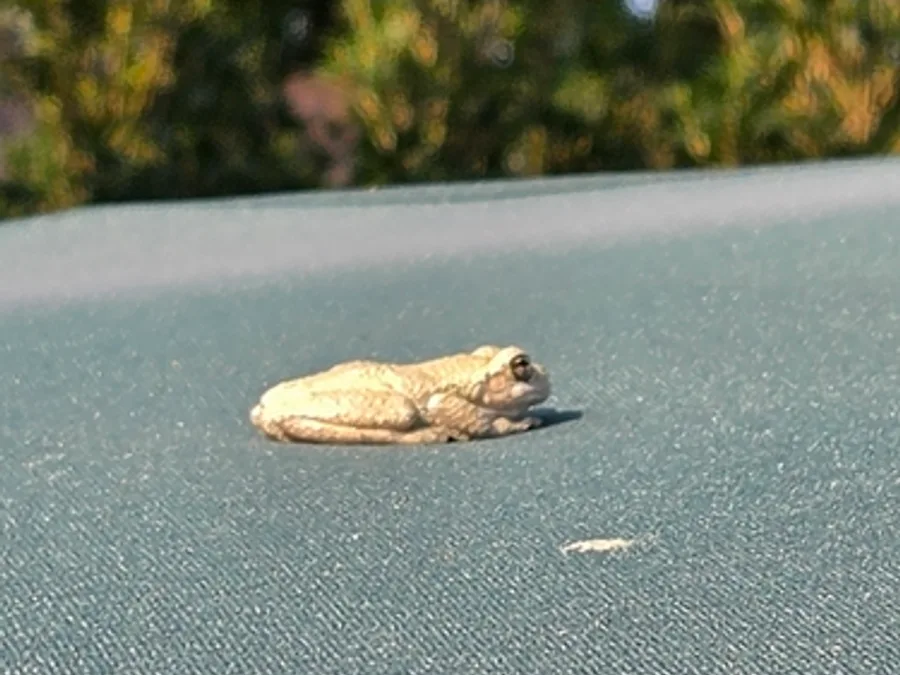
Sometimes seen · after dark
A faster, harsher, buzzier trill than the gray treefrog. The two look identical and differ mostly in speed. In far-western Maryland the ordinary gray treefrog is the common twin, and Cope’s faster, harsher trill is the scarcer catch here.
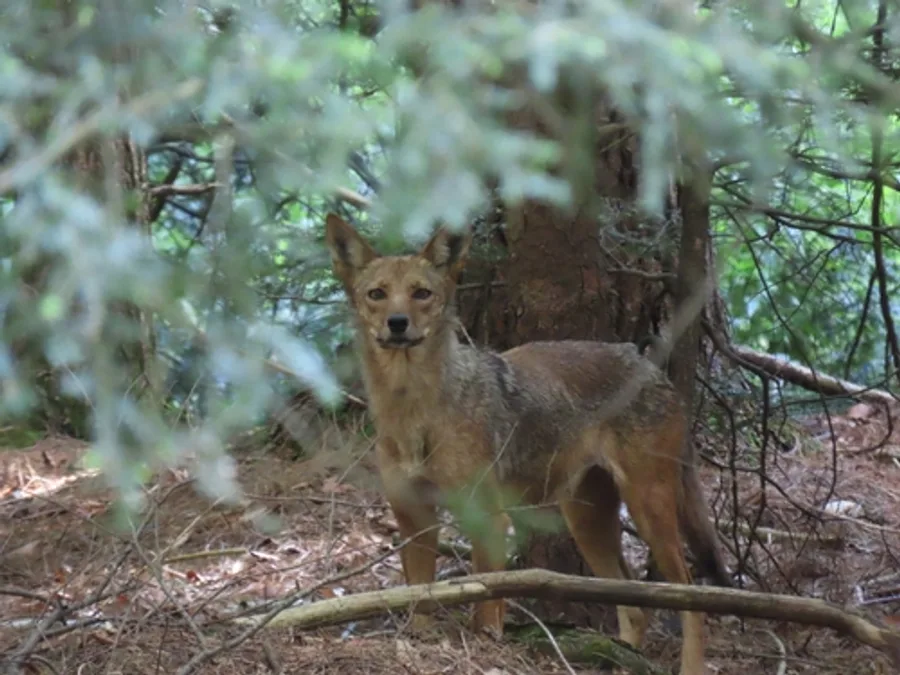
Sometimes seen · after dark
A rising chorus of yips, yaps, and howls, often set off by a siren or a train.
Sometimes seen · after dark
A short, lisping “tzip” repeated at intervals from the shrubbery.
Sometimes seen · after dark
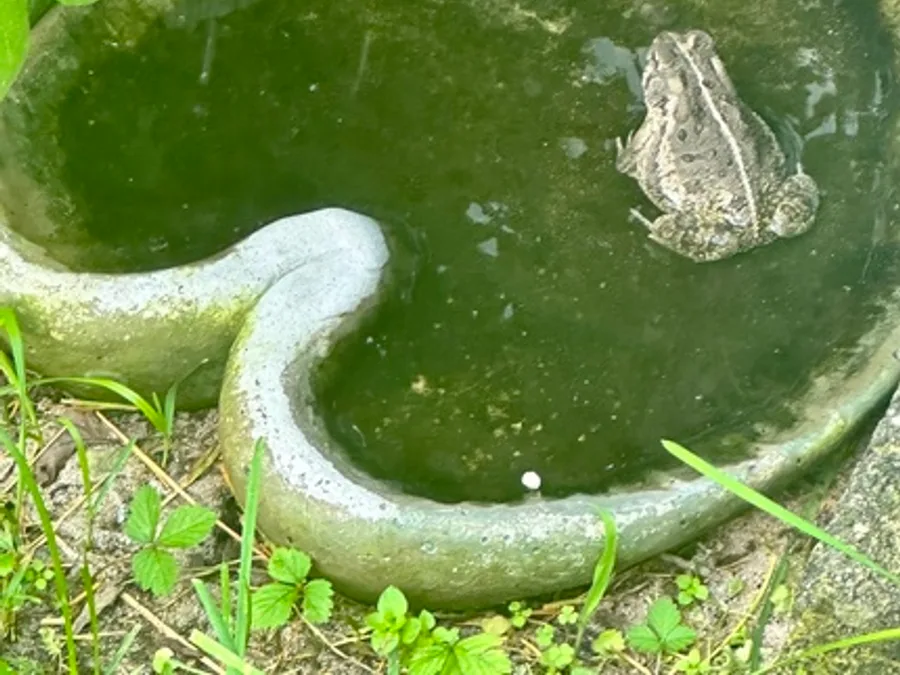
A short, nasal, unmusical “w-a-a-a-h,” like a crying baby lamb.
Sometimes seen · after dark
A far-off horn and low rumble drifting up from the Potomac valley: CSX freight on the old B&O line, which runs the West Virginia bank across the river. (The Western Maryland Railway grade on this side went quiet in 1975. You can hike it.)
Sometimes seen
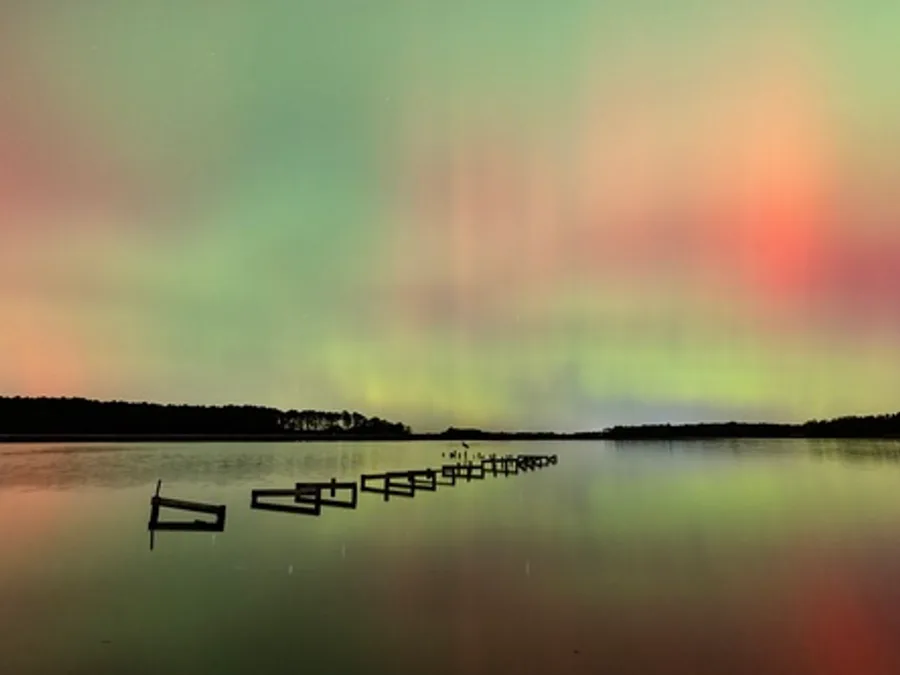
A harsh, prehistoric “FRAHNK” squawk, usually as one flushes off the creek or passes overhead at dusk.
Sometimes seen · after dark
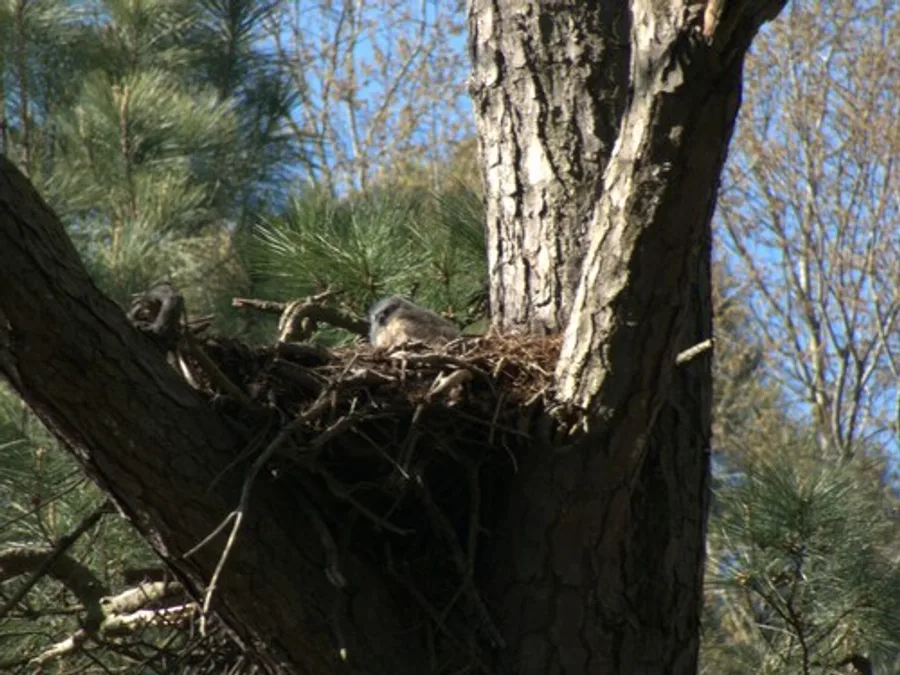
Deep, soft “ho-ho-hoooo, hoo, hoo” hoots; pairs answer each other, most vocal in the late-winter courtship weeks.
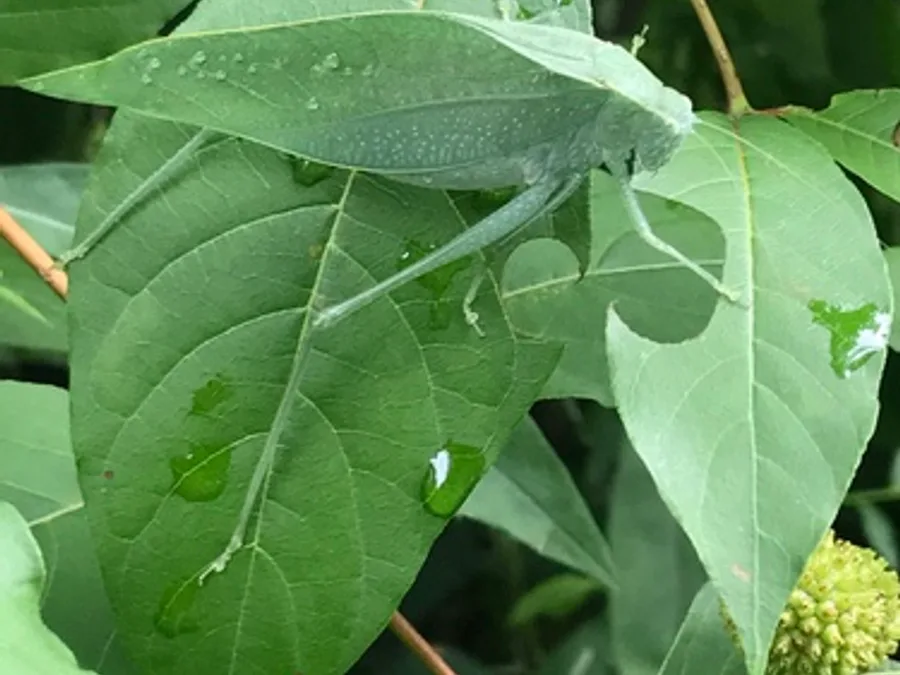
Sometimes seen · after dark
A soft, high, lisping “tzeet…tzeet” plus a rapid ticking, from shrubs and low trees.
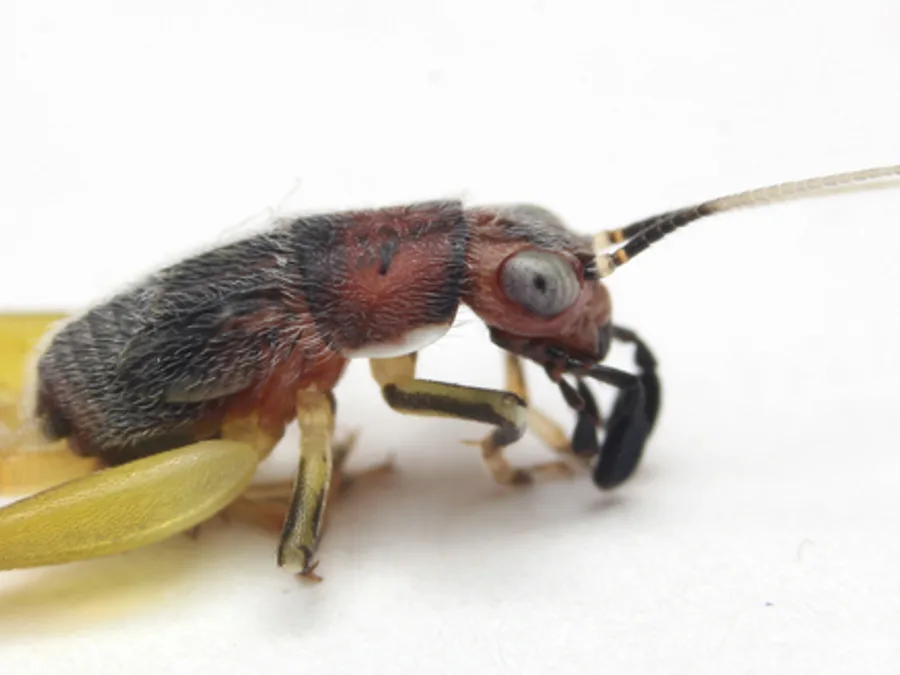
Sometimes seen · after dark
Bright, bell-like, pulsing rings from dense shrubs, surprisingly musical for so small an insect.
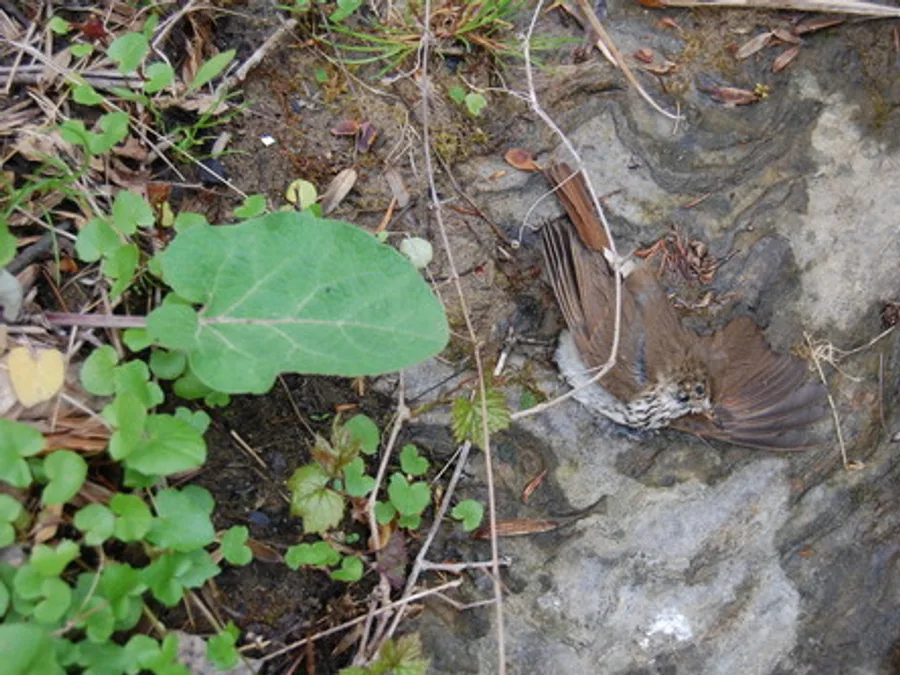
Sometimes seen
A clear opening whistle, then a shimmering ethereal cascade — the most beautiful voice in the woods, at dawn and dusk.
Sometimes seen · after dark
A low, steady wash of traffic from I-68 along the forest's north edge — a distant hush that never quite stops.
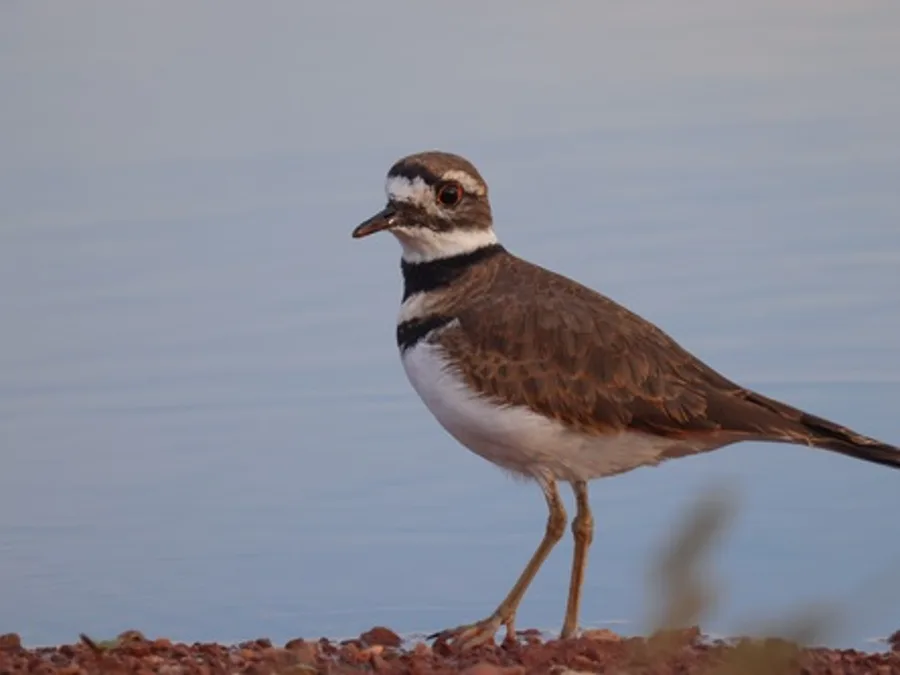
Sometimes seen · after dark
A strident, repeated “kill-DEER, kill-DEER,” often given on the wing well after dark.
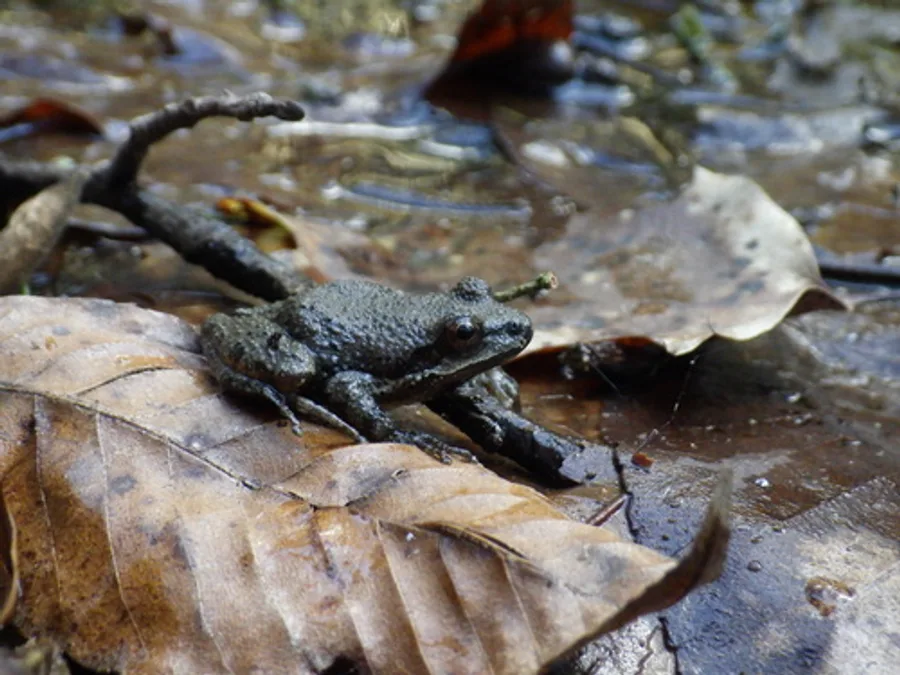
Sometimes seen · after dark
A fast, raspy “creek-creek” like a finger run down a comb. An Appalachian specialty at the western edge of the state.
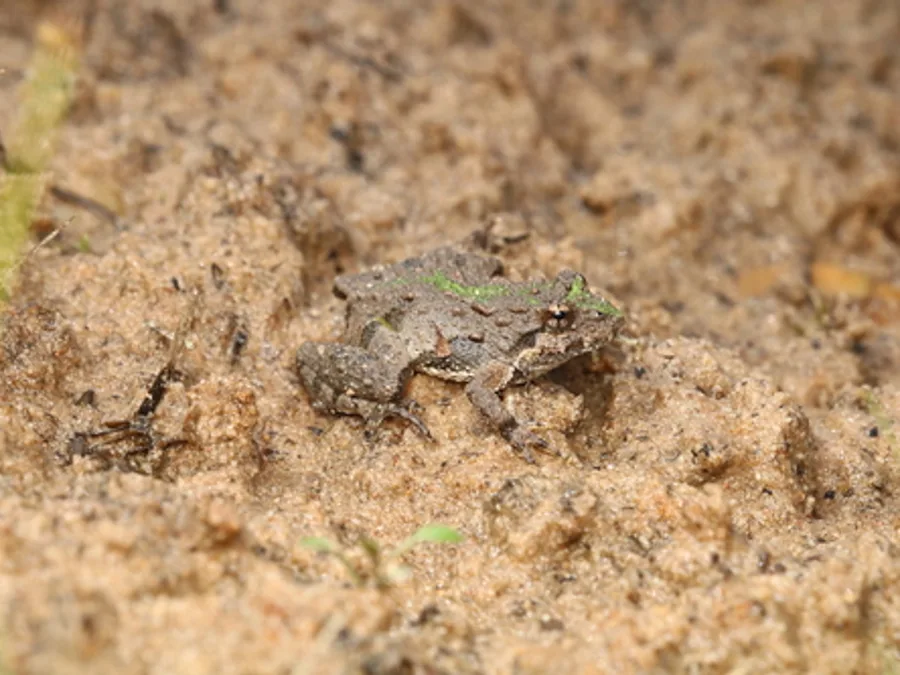
Sometimes seen · after dark
A metallic “gick-gick-gick,” like two marbles clicked together and speeding up.
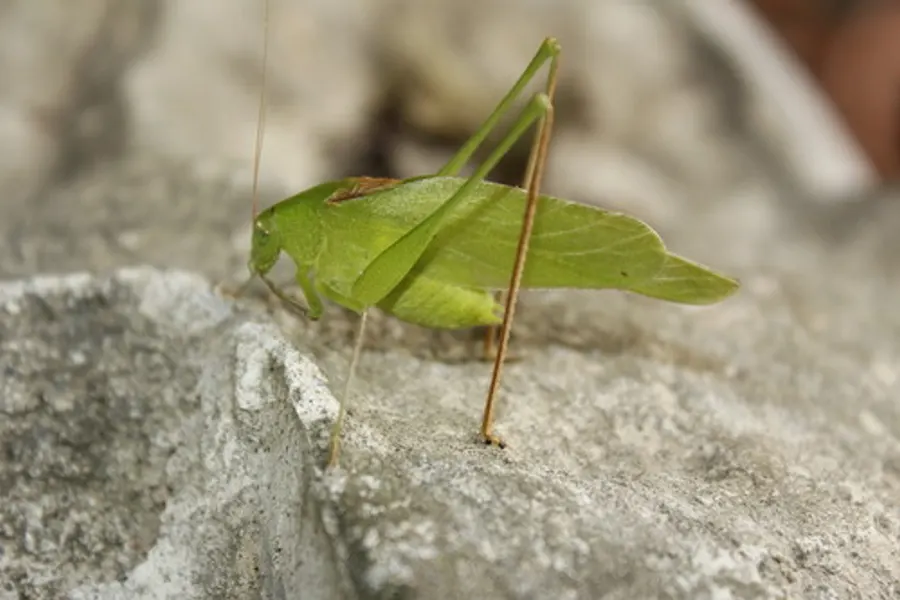
Sometimes seen · after dark
A single rich, buzzy “tchh” every few seconds — the species that occasionally turns up bright pink.
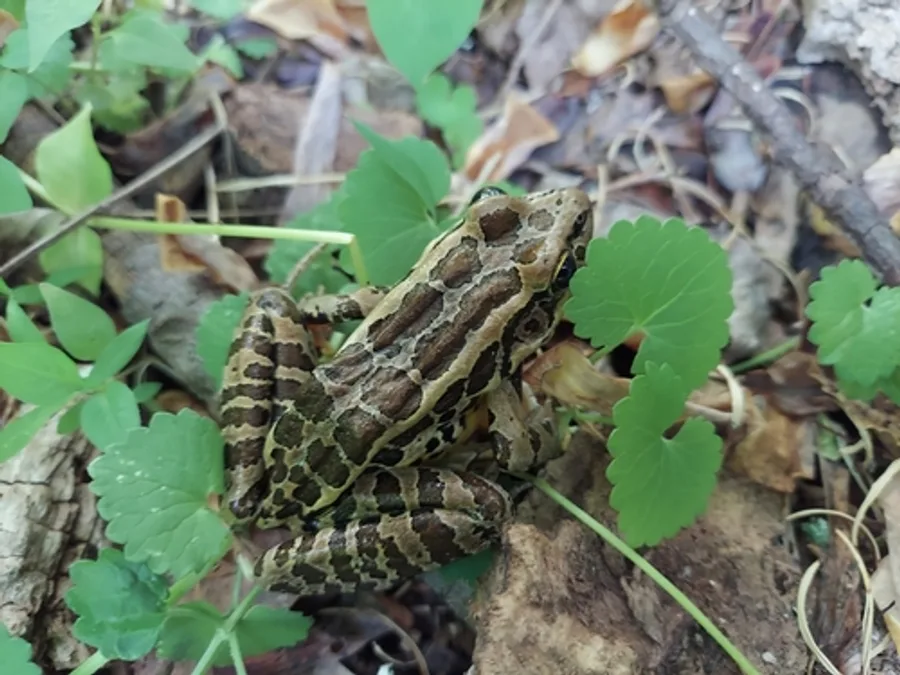
Sometimes seen · after dark
A low, steady snore of two or three seconds, easy to miss under the peepers.
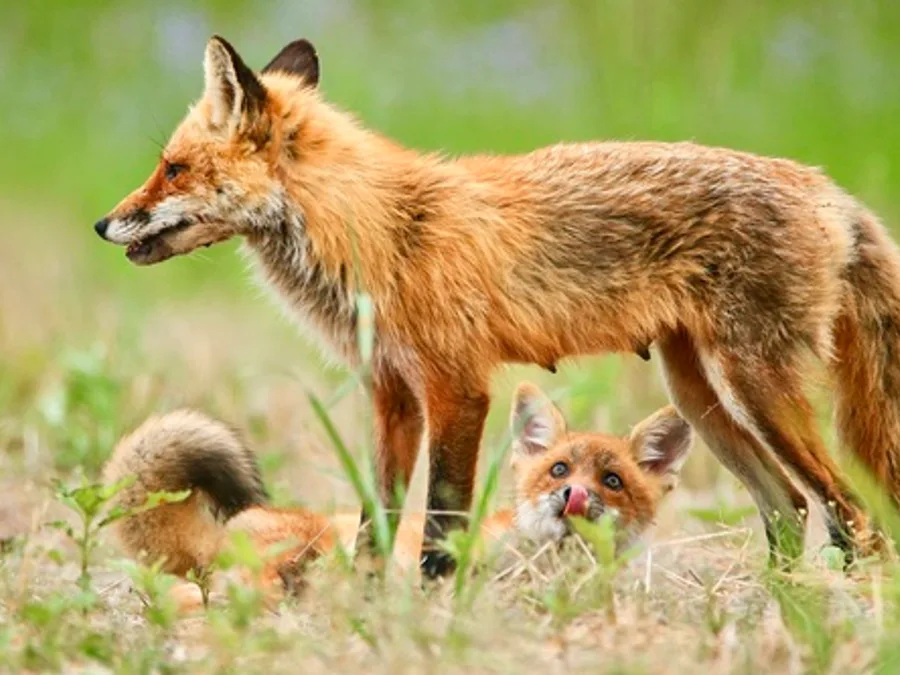
Sometimes seen · after dark
A single, harsh, rising shriek in the dark, often repeated: the notorious “fox scream.”
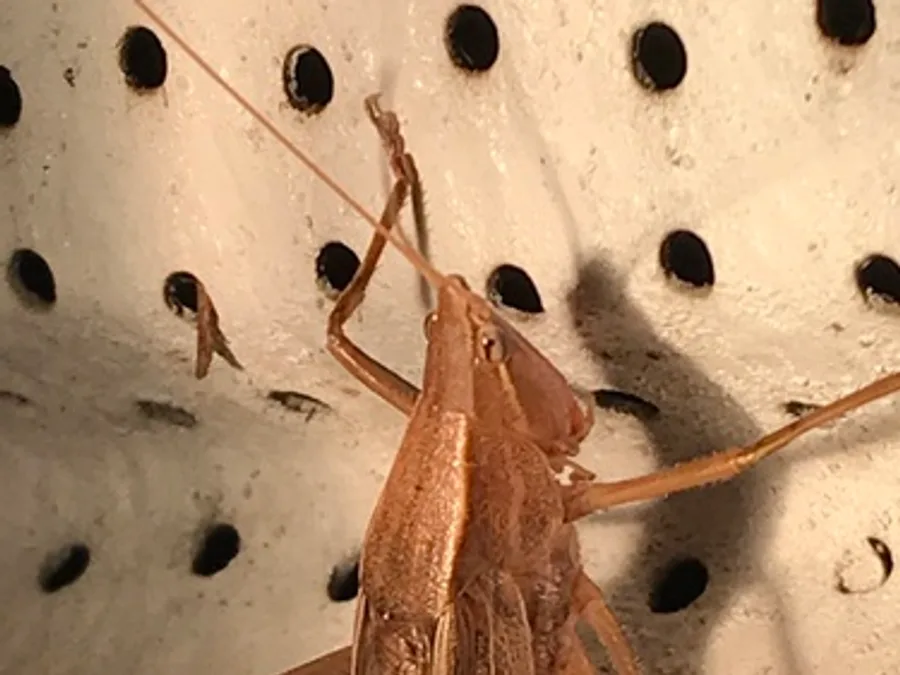
Sometimes seen · after dark
A loud, continuous, buzzy mechanical drone from tall grass and field edges, almost electric.
Sometimes seen
An accelerating deep drumming from a log on spring dawns: soft thumps that speed into a muffled engine-roar.
Sometimes seen · after dark
High, soft, insect-like chirps and twitters from the canopy. Easy to mistake for a bird or a cricket.
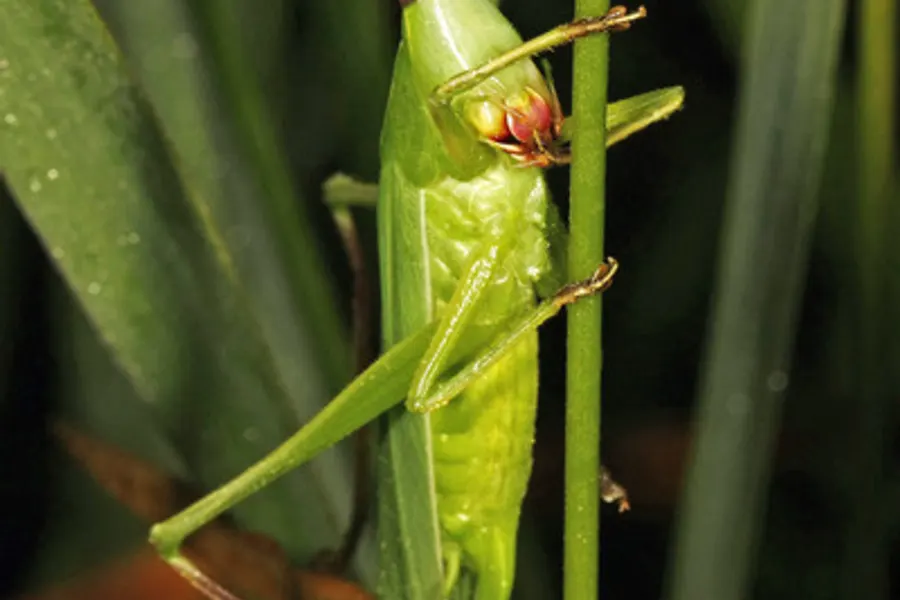
Sometimes seen · after dark
A steady, rhythmic “tsip-tsip-tsip,” like a sewing machine, from tall grass.
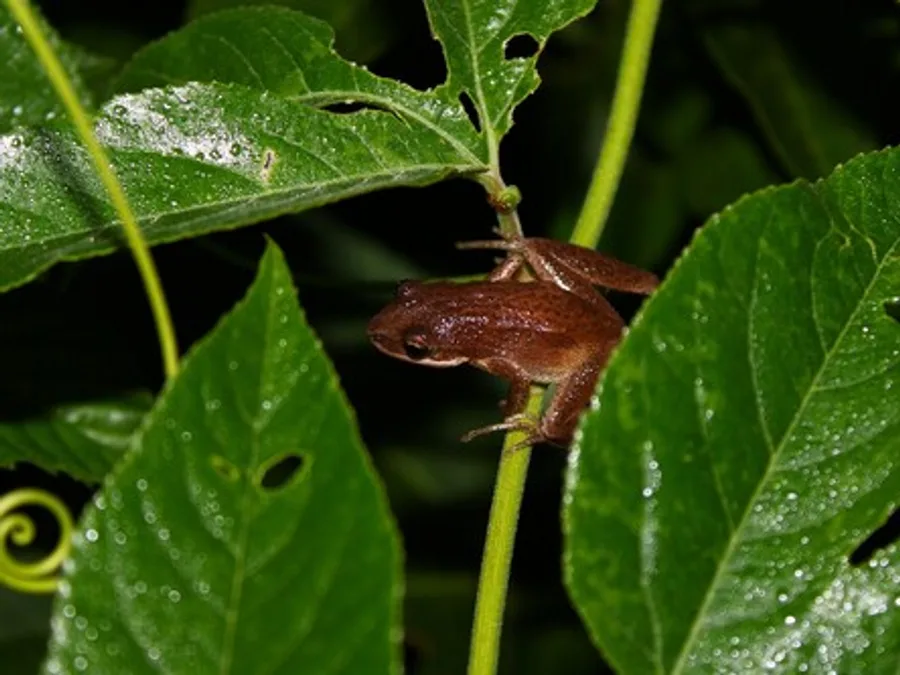
Sometimes seen · after dark
A rising “crreeek,” like a fingernail dragged down a stiff comb. Early spring, from flooded fields.
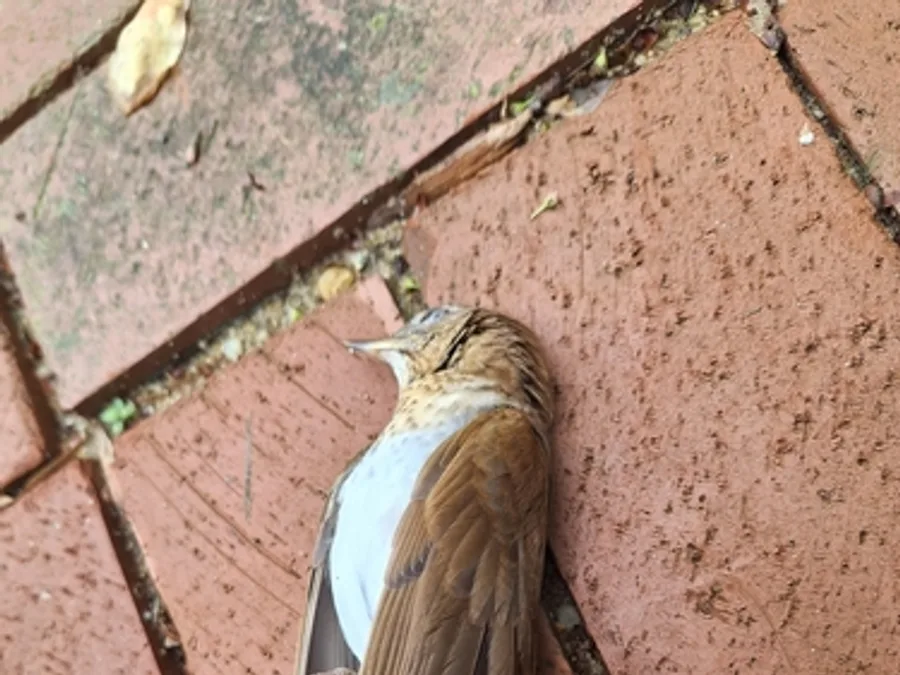
Sometimes seen
A breezy, downward-spiraling “vee-ur, vee-ur,” like a flute poured down a drainpipe, at dusk in moist woods.
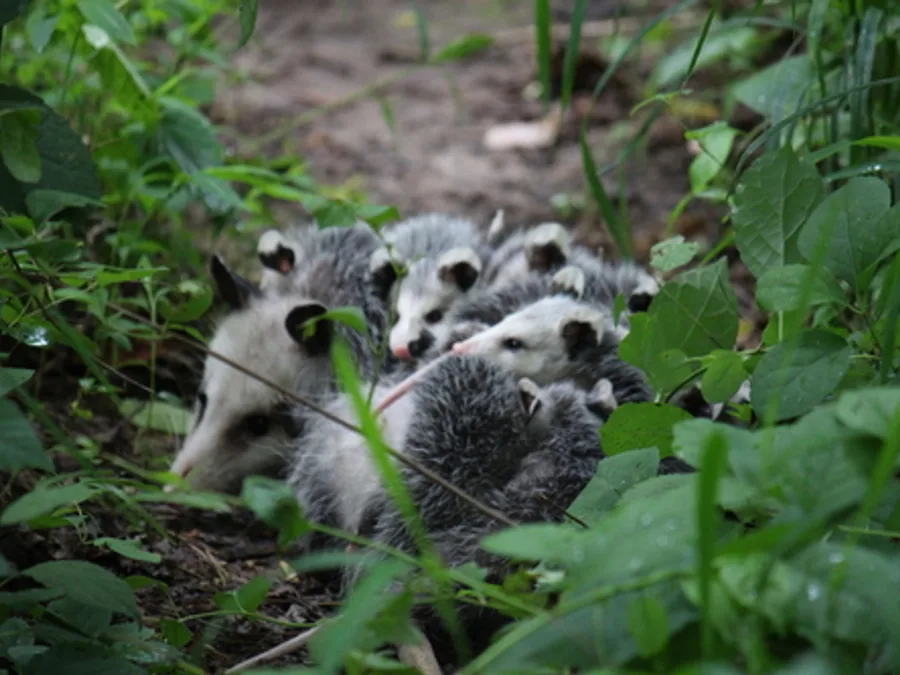
Sometimes seen · after dark
A low hiss, click, or growl if cornered. Otherwise it's silent as it shuffles through camp.
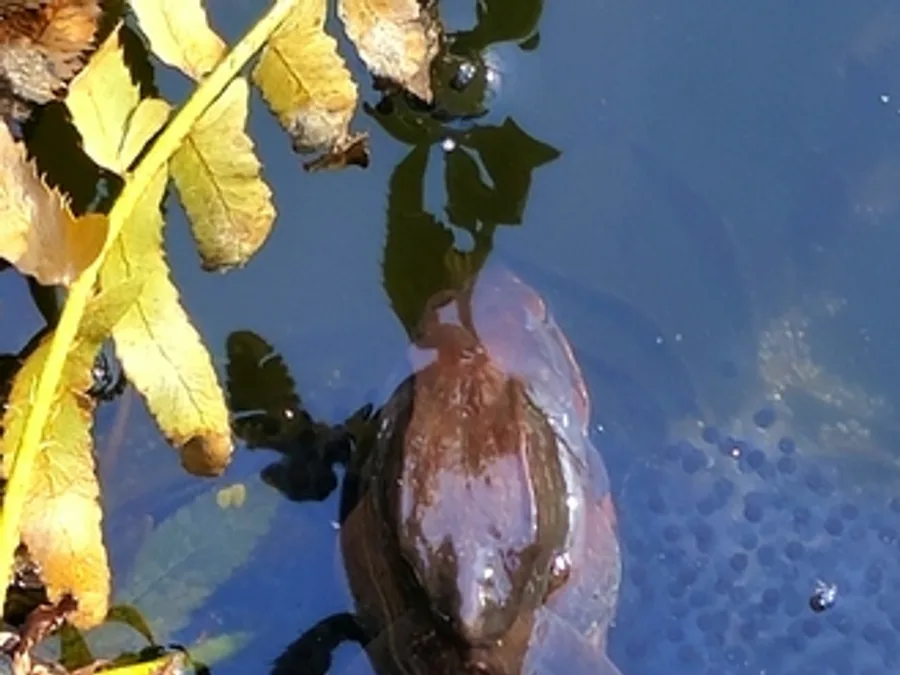
Sometimes seen
A soft, duck-like clucking chuckle. It's the first frog of the year, out on warm late-winter rains at vernal pools.
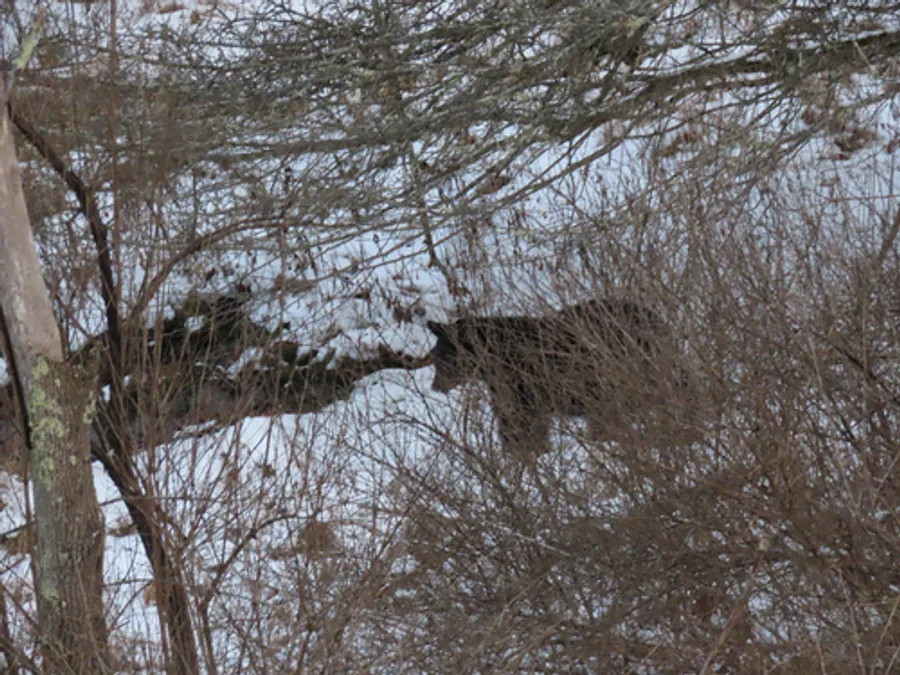
Rarely seen · after dark
Rarely vocal. More often it's brush moving downhill, a jaw-pop, or a low huff.
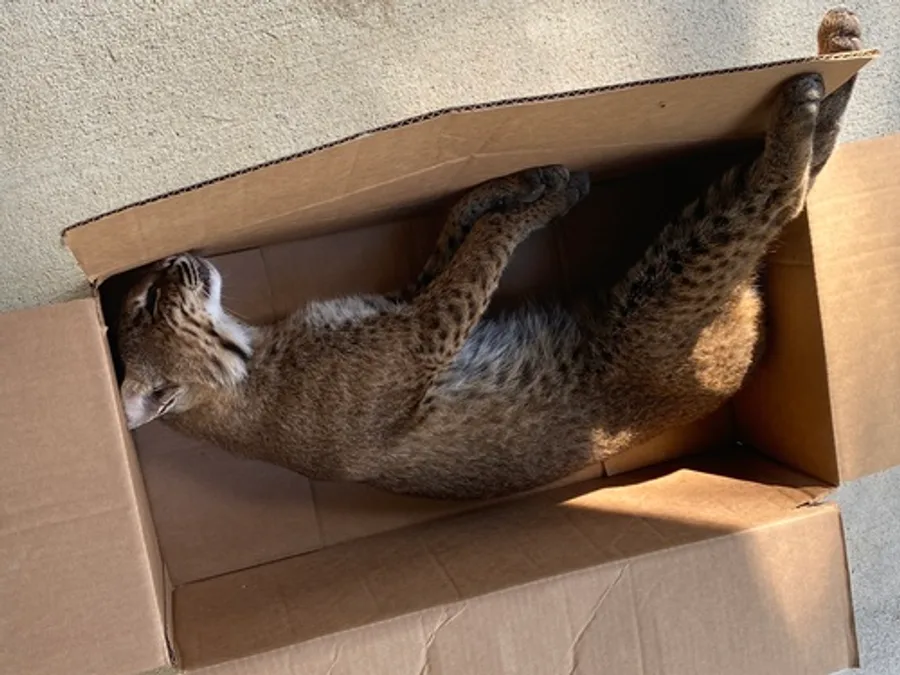
Rarely seen · after dark
Rare and startling: a hoarse scream, growl, or yowl in the dark of the breeding season.
Rarely seen · after dark
A rolling, burry cousin of the whip-poor-will, chanting “chuck-will's-WID-ow” at the northern edge of its range.
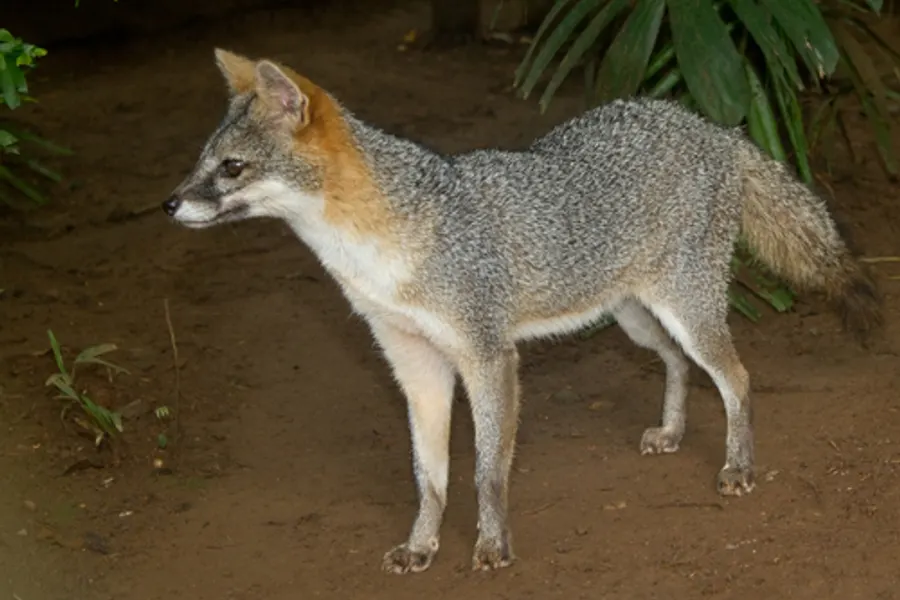
Rarely seen · after dark
A hoarse, raspy bark or a short scream, less piercing than the red fox.
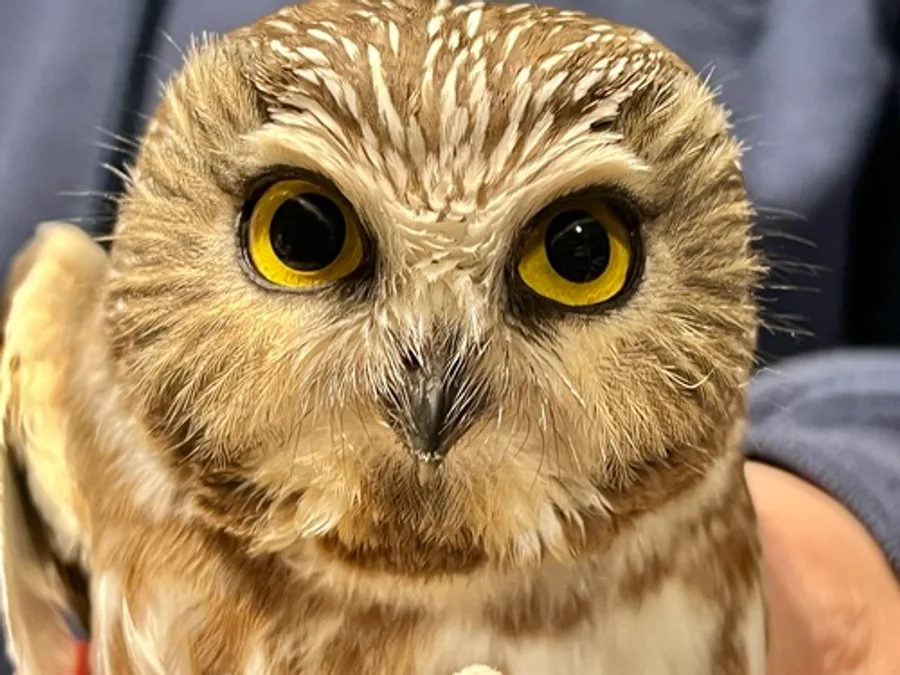
Rarely seen · after dark
A monotonous, evenly-spaced “toot…toot…toot” like a truck backing up, mostly migration and winter in the mountains.
Rarely seen
Once every 17 years, an overwhelming, otherworldly daytime roar from millions of insects at once.
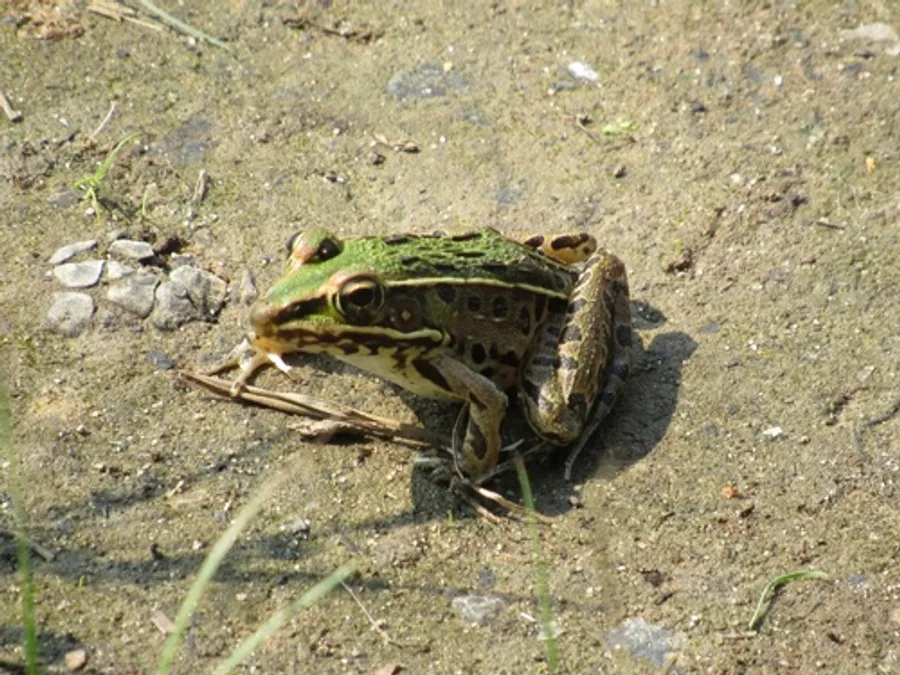
Rarely seen · after dark
A short, chuckling laugh and low “chuck” notes from marshy edges. In Maryland, though, this is mostly a species of the coastal lowlands; out here that chuckle is far more likely the very similar pickerel frog.