Nature guide · Green Ridge State Forest, Maryland

Wildflowers of Green Ridge State Forest

25 entries from the forest's field guide.

Most of these are out for a few weeks and gone. The months on each entry are the ones worth walking for, and the spring ephemerals on the north-facing slopes are done before the canopy closes over them.

Booking
None. Sites are first come, first served.
Fee
$10 a night for a standard site, $20 for a group site, paid at headquarters. Maryland DNR.
Check in
Sign the sheet at headquarters when you arrive, then go to the site.
Is it free tonight?
This page cannot know. The app shows what the sign-up sheet last showed, with the photo's age.

Every photograph here is openly licensed and credited to the person who took it. The recordings are in the app — open the nature guide to hear them.

Black-eyed Susan, photographed at or near Green Ridge State Forest
iNaturalist observer · cc0

Black-eyed Susan Rudbeckia hirta

Often seen

Cheerful daisy-like flowers with golden-yellow petals ringing a dark chocolate-brown dome; rough, hairy leaves and stems.

Where to look
Open, sunny areas: roadsides, meadows, and clearings
When
Blooms June–September
Months
June to September

See Black-eyed Susan in the app

Bloodroot, photographed at or near Green Ridge State Forest
cc0

Bloodroot Sanguinaria canadensis

Sometimes seen

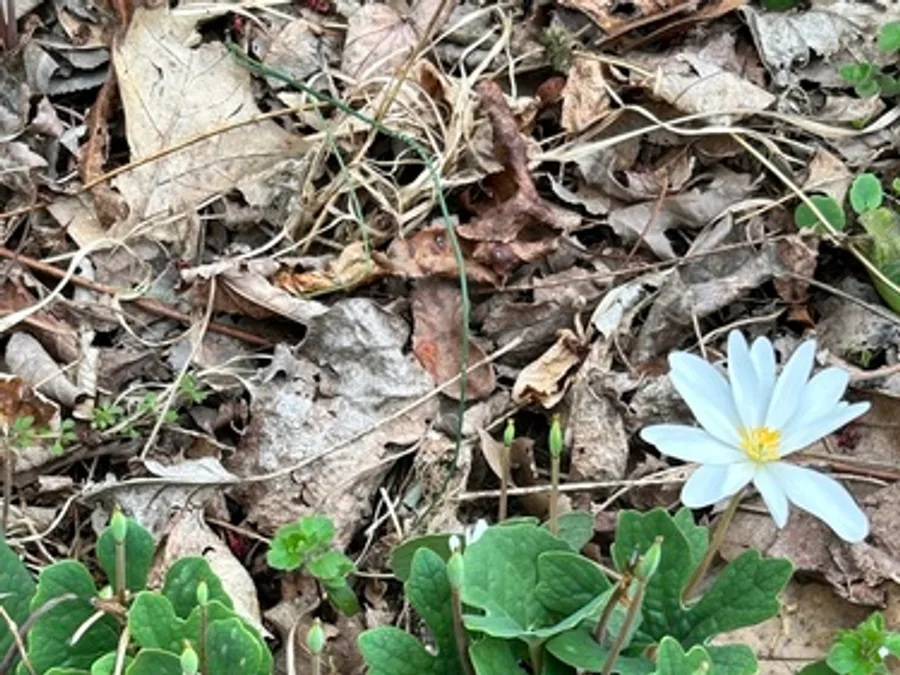
A crisp white flower with a golden center, opening on sunny days and wrapped by a single scalloped blue-green leaf; the stem bleeds bright orange-red sap when broken.

Where to look
Moist, shaded forest floors and slopes
When
Blooms briefly in early spring (Mar–Apr)
Months
March to April
Do not touch
The red sap stains and is a skin and eye irritant, and the plant is toxic if eaten, so don't break the stems.

See Bloodroot in the app

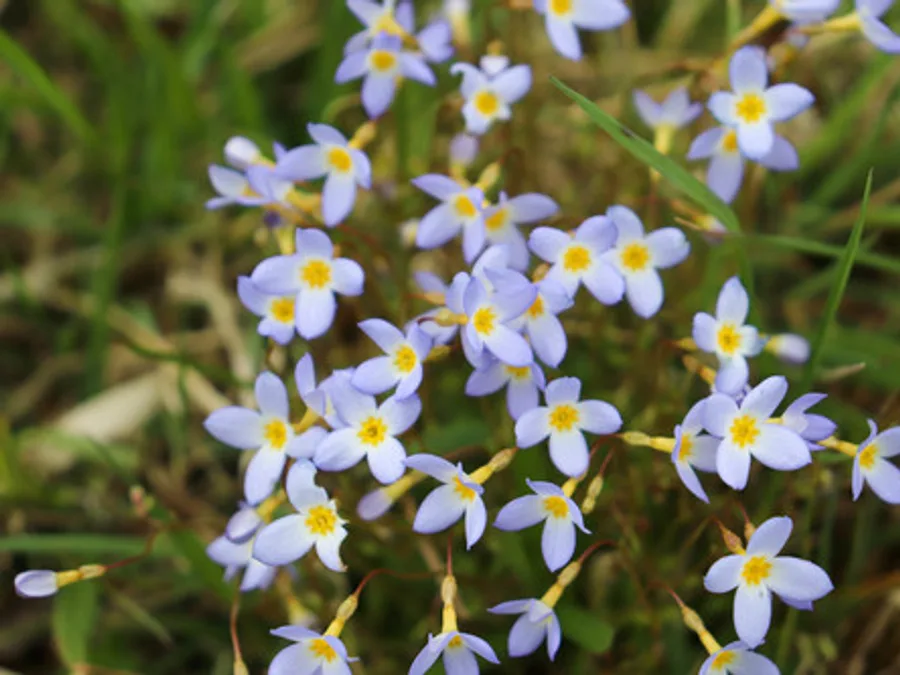
Bluets, photographed at or near Green Ridge State Forest
cc0

Bluets Houstonia caerulea

Often seen

Constellations of tiny four-petaled flowers, powder blue with a yellow eye, on threadlike stems barely taller than the moss they grow beside.

Where to look
Poor soil, path edges, and mossy campsite margins: thin ground other flowers reject
When
Blooms April–June
Months
April to June
Easily confused with
Nothing else here is this small, this blue, and this numerous.

See Bluets in the app

Cardinal Flower, photographed at or near Green Ridge State Forest
Douglas Goldman · cc-by-sa

Cardinal Flower Lobelia cardinalis

Sometimes seen

Spikes of intense scarlet tubular flowers, arguably the reddest red in the eastern flora, standing three feet tall at the water's edge.

Where to look
Creek banks, seeps, and the Potomac shoreline; hummingbirds are its pollinators and constant company
When
Blooms late July–September
Months
July to September
Easily confused with
Fire pink is the red flower of dry slopes in early summer; cardinal flower owns wet ground in late summer.

See Cardinal Flower in the app

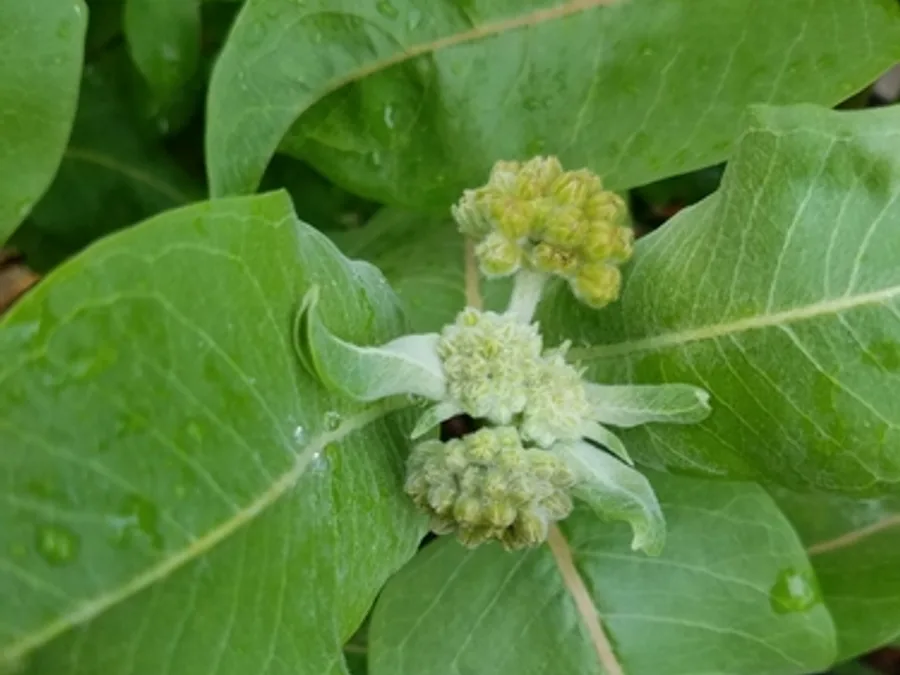
Common Milkweed, photographed at or near Green Ridge State Forest
cc0

Common Milkweed Asclepias syriaca

Often seen

A stout gray-green plant with broad paired leaves, drooping globes of dusty-pink starburst flowers, and, the famous part, warty pods that split to release silk-parachuted seeds.

Where to look
Sunny road edges, field margins, and clearings. Check the leaves for monarch caterpillars in yellow, black, and white stripes
When
Blooms June–August; pods split September–October
Months
June to October
Easily confused with
Dogbane has similar sap but smaller flowers and reddish stems; milkweed's flower globes and pods are distinctive.
Do not touch
The milky sap can irritate skin and is painful in the eyes, so wash after handling. Toxic if eaten, which is the monarch's whole defensive strategy.

See Common Milkweed in the app

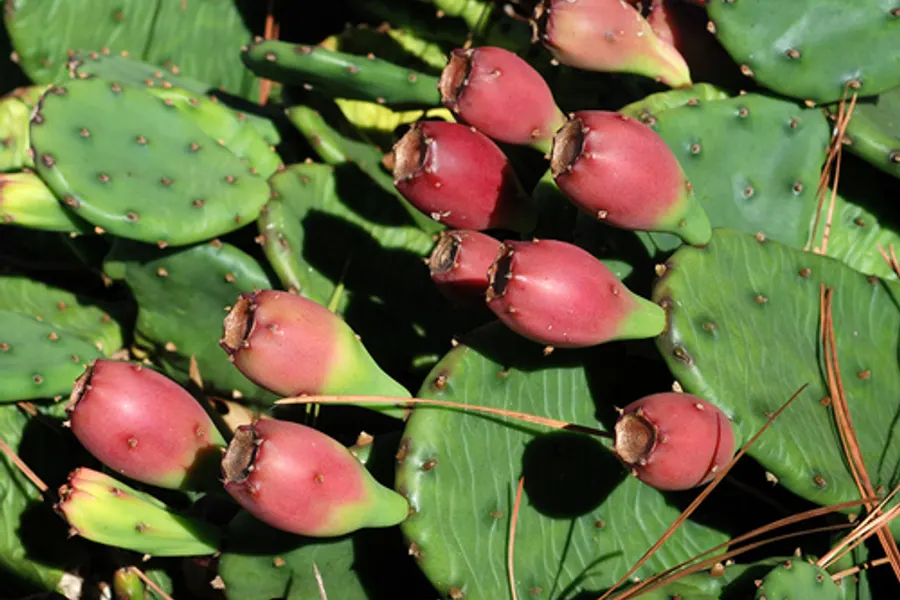
Eastern Prickly Pear, photographed at or near Green Ridge State Forest
Douglas Goldman · cc-by-sa

Eastern Prickly Pear Opuntia humifusa

Sometimes seen

Yes, a real cactus in Maryland: flat green paddles sprawled over bare shale, with big silky yellow flowers in June and reddish egg-shaped fruits after.

Where to look
Hot south-facing shale barrens and roadcut edges, the driest ground in the forest, which is exactly why it's here
When
Flowers June–July; paddles visible year-round, deflated-looking in winter
Easily confused with
Nothing. It's the only cactus native to Maryland.
Do not touch
Don't grab it. The obvious spines are fair warning, but the real trouble is the tufts of hair-fine glochids, which lodge in skin by the dozen and take days to work out.

See Eastern Prickly Pear in the app

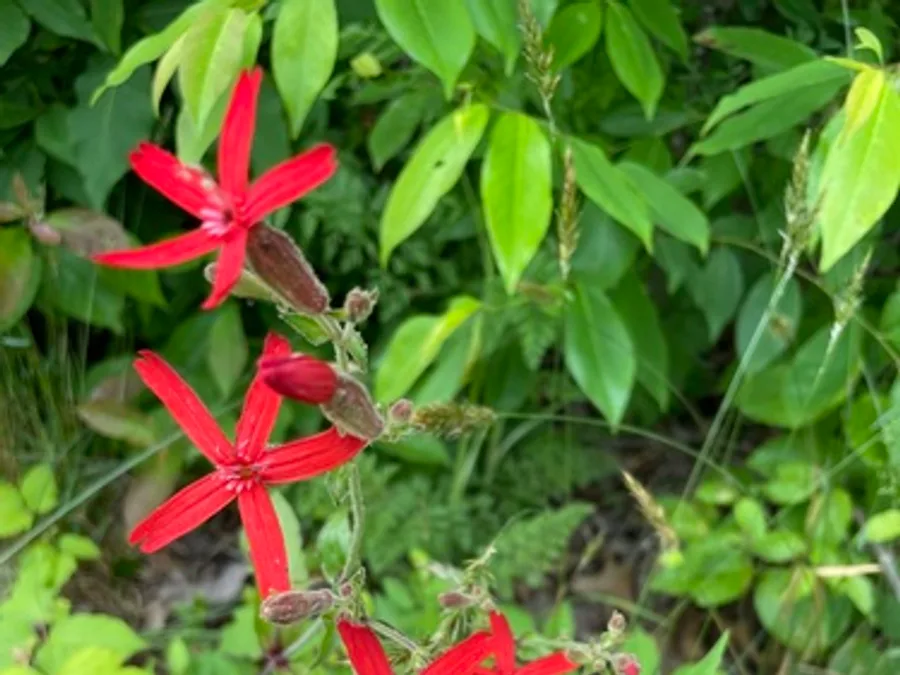
Fire Pink, photographed at or near Green Ridge State Forest
Alicia Ballard · cc-by

Fire Pink Silene virginica

Sometimes seen

Five ragged-tipped petals of pure electric red on a sticky-stemmed little plant, a color so saturated it looks artificial against gray shale.

Where to look
Dry rocky slopes, shale edges, and open woods. Hummingbirds work these flowers, so linger
When
Blooms May–June
Months
May to June
Easily confused with
Cardinal flower is taller, later, and streamside; fire pink owns the dry slopes in early summer.

See Fire Pink in the app

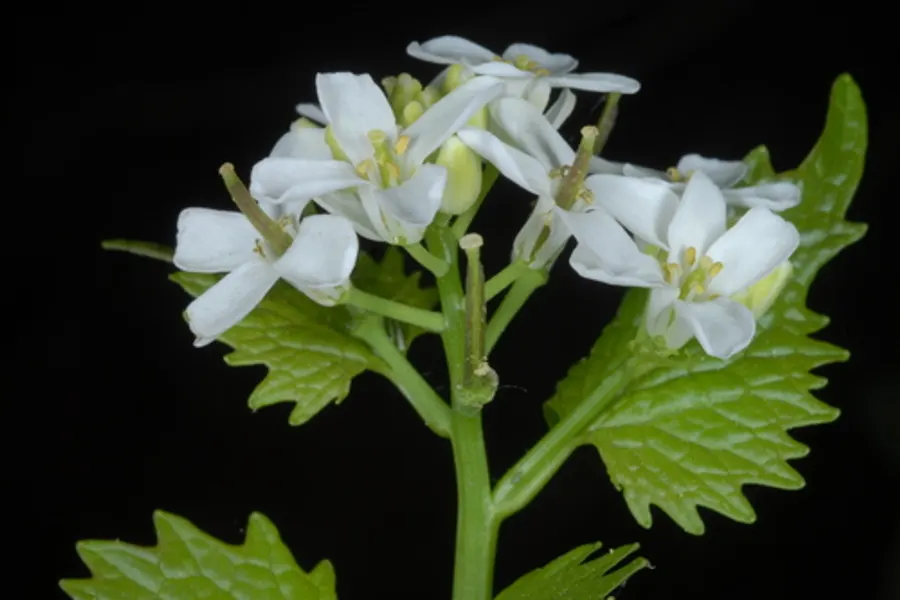
Garlic Mustard, photographed at or near Green Ridge State Forest
Douglas Goldman · cc-by-sa

Garlic Mustard Alliaria petiolata

Often seen

A low plant with rounded, scalloped, kidney-shaped lower leaves and small four-petaled white flowers on top; crushed leaves smell distinctly of garlic.

Where to look
Shady trail edges and woods, often carpeting the ground
When
White flowers Apr–May
Months
April to May
Easily confused with
The garlic smell when you crush a leaf is the giveaway: native violets and other look-alikes have no odor.
Invasive
One invasive you're actually encouraged to pull. It yanks out easily, roots and all. Bag it (don't compost, since it keeps seeding) and pull before it sets seed in late spring.

See Garlic Mustard in the app

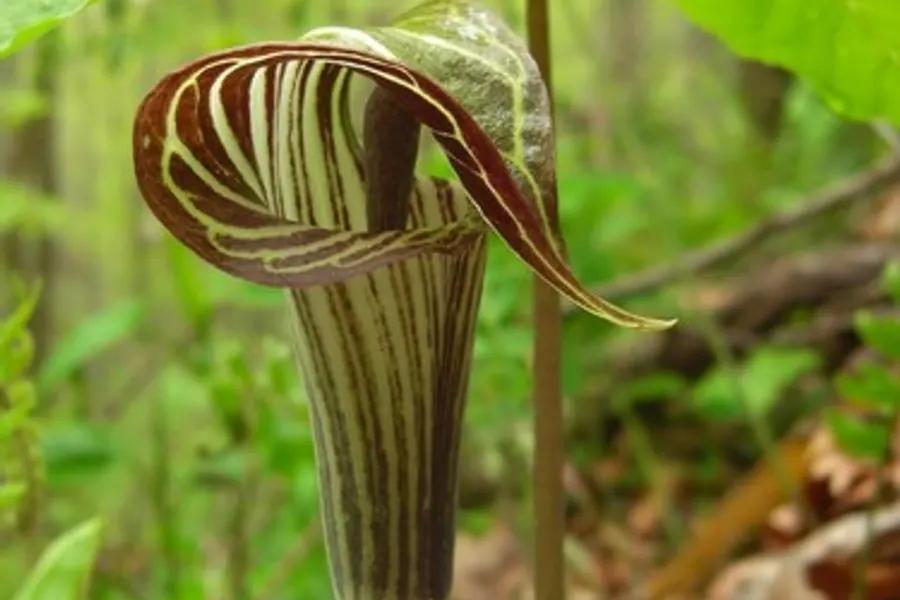
Jack-in-the-Pulpit, photographed at or near Green Ridge State Forest
Jason Hollinger · cc-by

Jack-in-the-Pulpit Arisaema triphyllum

Sometimes seen

An odd hooded green-and-maroon flower: a little upright 'preacher' (spadix) standing inside a striped canopy (the pulpit); becomes a cluster of bright red berries by fall.

Where to look
Damp, shady woods and low spots
When
Hooded bloom Apr–May; red berry cluster in late summer–fall
Months
Apr, May, Aug, Sep
Do not touch
Don't taste any part. It's packed with needle-like crystals that burn the mouth and throat if eaten raw. The red berries are toxic too.

See Jack-in-the-Pulpit in the app

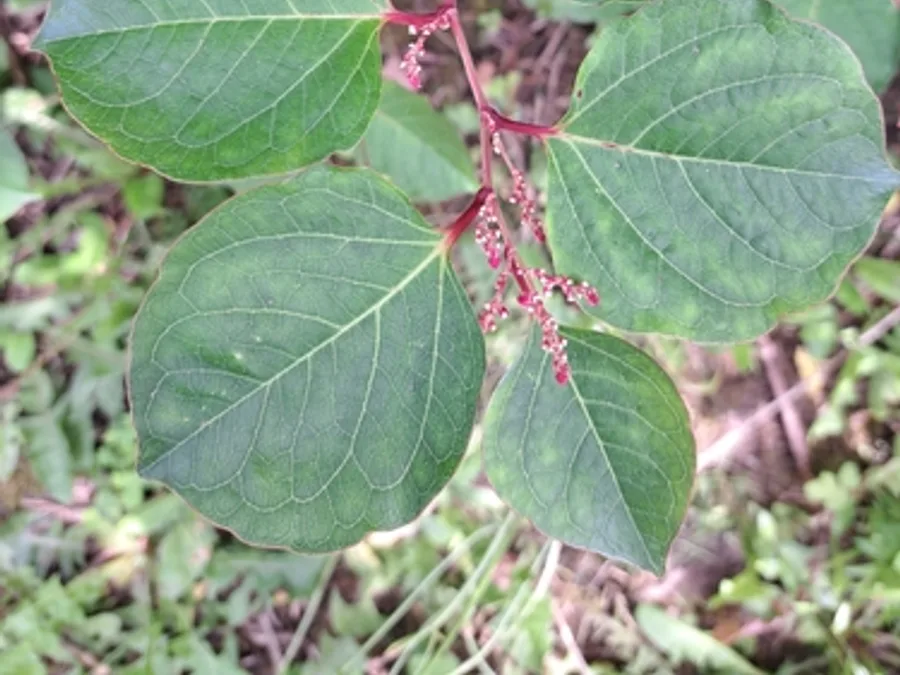
Japanese Knotweed, photographed at or near Green Ridge State Forest
Bob Schwartz · cc-by

Japanese Knotweed Reynoutria japonica

Often seen

Dense thickets of hollow, bamboo-like green stems with reddish speckles, big heart-shaped leaves, and sprays of small creamy-white flowers in late summer.

Where to look
Along streams, ditches, and damp disturbed ground, in dense colonies
When
Tall leafy stems summer; white flower sprays Aug–Sep
Months
June to September
Invasive
Extremely hard to remove and spreads from tiny root and stem fragments. Never pull and toss it, since a broken piece can start a new patch. Report to MD iMapInvasives (imapinvasives.org) and don't move soil or cuttings.

See Japanese Knotweed in the app

Japanese Stiltgrass, photographed at or near Green Ridge State Forest
Emily Summerbell · cc-by

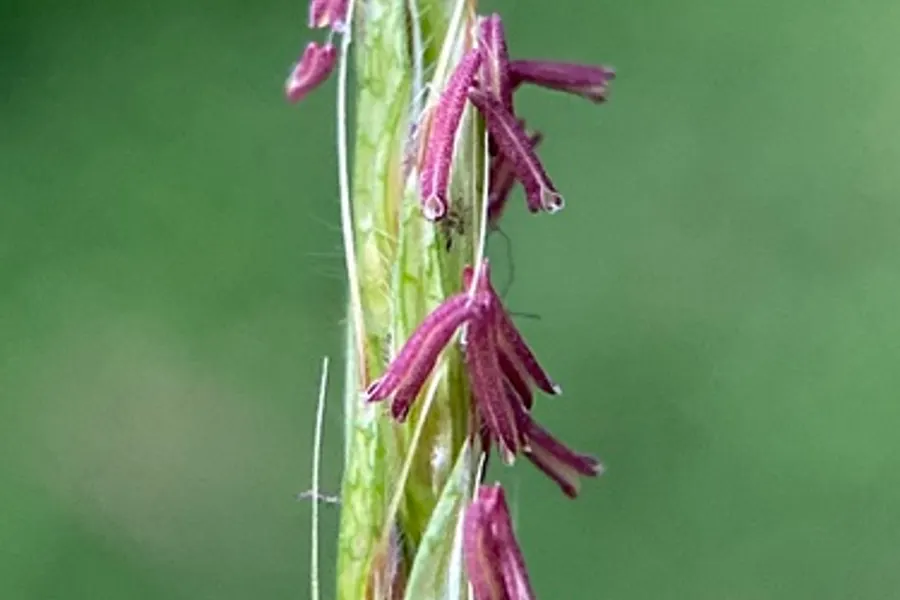
Japanese Stiltgrass Microstegium vimineum

Often seen

A sprawling, pale-green annual grass with short lance-shaped leaves marked by a silvery stripe down the middle; forms soft flattened carpets over the forest floor.

Where to look
Shady trailsides, roadsides, and disturbed woods
When
Carpets the ground summer; seed heads late summer–fall
Months
July to October
Easily confused with
The off-center silvery midrib stripe distinguishes it from native grasses.
Invasive
It pulls up easily, roots and all. Pulling or mowing before the fall seed set helps. Boot treads and tires carry the seed, so clean up before leaving.

See Japanese Stiltgrass in the app

Kate's Mountain Clover, photographed at or near Green Ridge State Forest
Megan Bolcar · cc-by

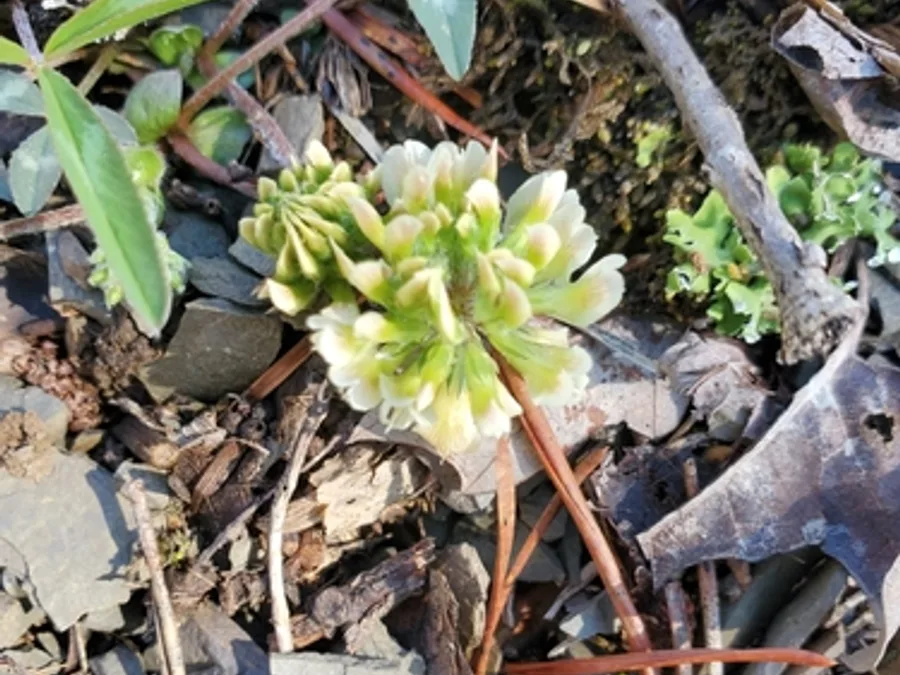
Kate's Mountain Clover Trifolium virginicum

Rarely seen

A small clover with unusually long, narrow leaflets and creamy-white flower heads, hugging bare shale. Named for Kate's Mountain in West Virginia where it was first discovered.

Where to look
Shale barrens only. One of the rarest plants in Maryland; finding one is a brag-for-years event
When
Blooms May–June
Months
May to June
Easily confused with
Ordinary white clover has round leaflets and lives in lawns; this one's leaflets are three or four times longer than wide, and it lives on rock.
Do not touch
Do not pick or disturb. This is a genuinely rare shale-barren endemic. Photograph it and report the sighting to Maryland DNR's Wildlife and Heritage Service.

See Kate's Mountain Clover in the app

Large-flowered Trillium, photographed at or near Green Ridge State Forest
Alina Martin · cc-by

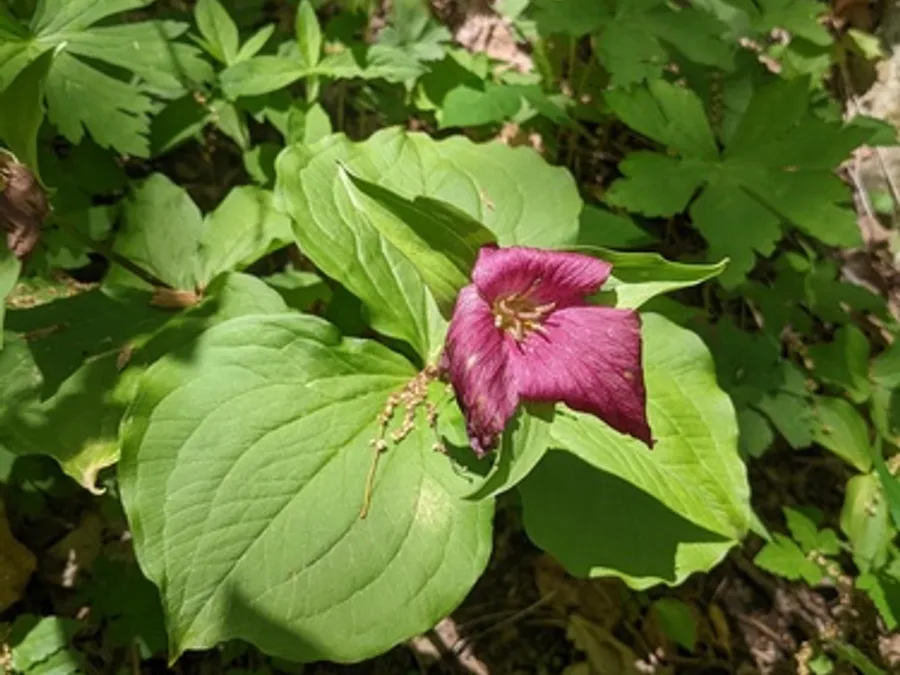
Large-flowered Trillium Trillium grandiflorum

Sometimes seen

A single showy white three-petaled flower held above a whorl of three broad leaves; the petals often fade to soft pink as they age.

Where to look
Rich, moist woodland slopes
When
Blooms April–May
Months
April to May
Do not touch
Please don't pick. A trillium loses years of stored energy with one snapped stem, and a picked patch can take a decade to recover. Photos only.

See Large-flowered Trillium in the app

Mayapple, photographed at or near Green Ridge State Forest
iNaturalist observer · cc0

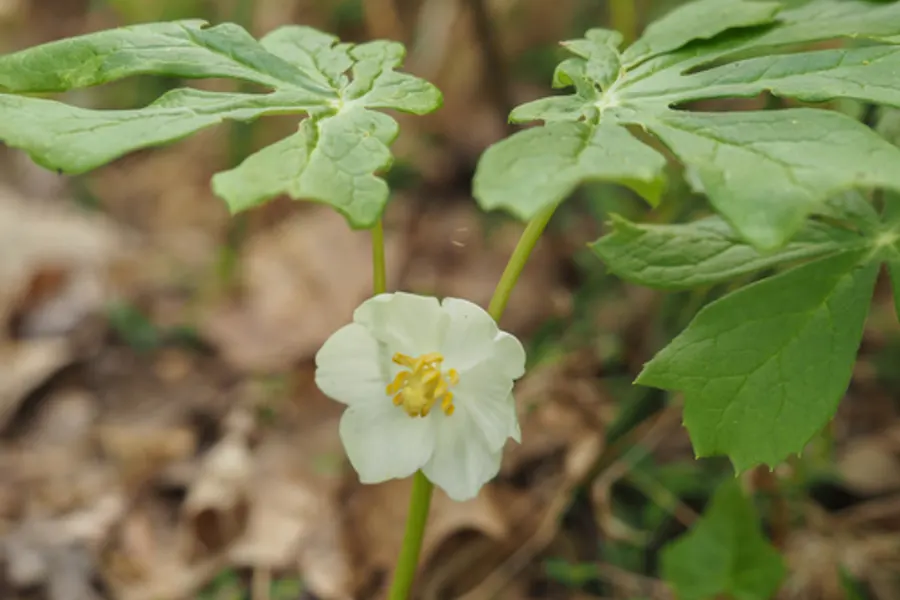
Mayapple Podophyllum peltatum

Often seen

Colonies of knee-high umbrella-like leaves; a single nodding white flower hides beneath the paired leaves of mature plants, later forming one lemon-sized fruit.

Where to look
Shady woods and clearings, often in big patches
When
Leaves and flower Apr–May; fruit ripens summer
Months
April to July
Do not touch
Only the fully ripe yellow fruit is edible, in small amounts. The leaves, stems, roots, seeds, and unripe fruit are all toxic. When in doubt, leave it.

See Mayapple in the app

Pokeweed, photographed at or near Green Ridge State Forest
cc0

Pokeweed Phytolacca americana

Often seen

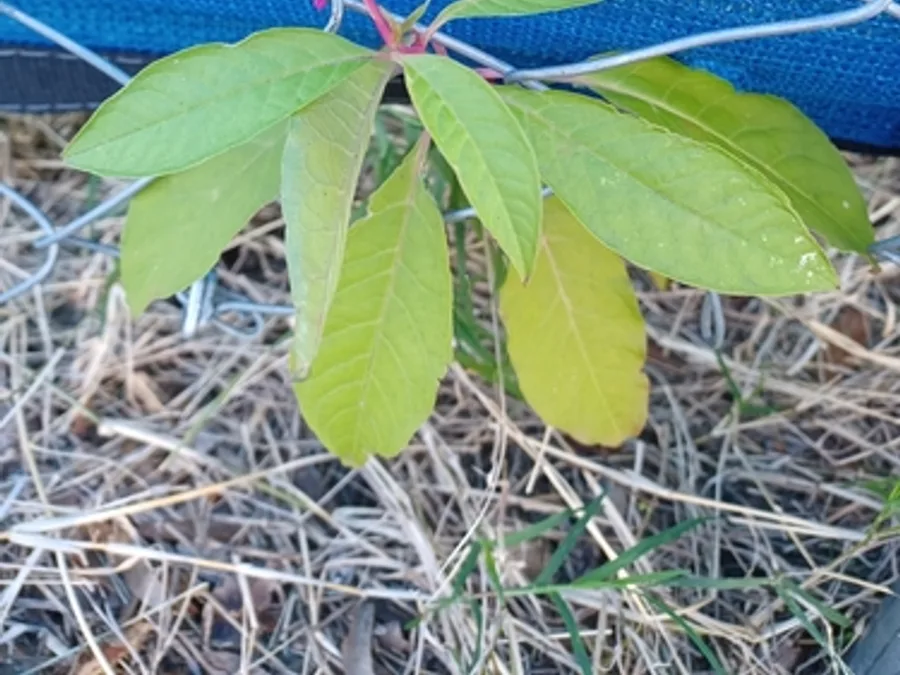
A big, bushy plant that can top head-height, with smooth magenta-pink stems and drooping clusters of shiny dark-purple berries in fall.

Where to look
Disturbed ground such as old clearings, roadsides, and camp edges
When
Berries and reddened stems Aug–Oct
Months
July to October
Do not touch
All parts are toxic, especially the roots and seeds. The dark berries look tempting but are dangerous. Keep kids and pets away and don't eat any part.

See Pokeweed in the app

Shale-barren Evening Primrose, photographed at or near Green Ridge State Forest
Tom Field · cc-by

Shale-barren Evening Primrose Oenothera argillicola

Rarely seen

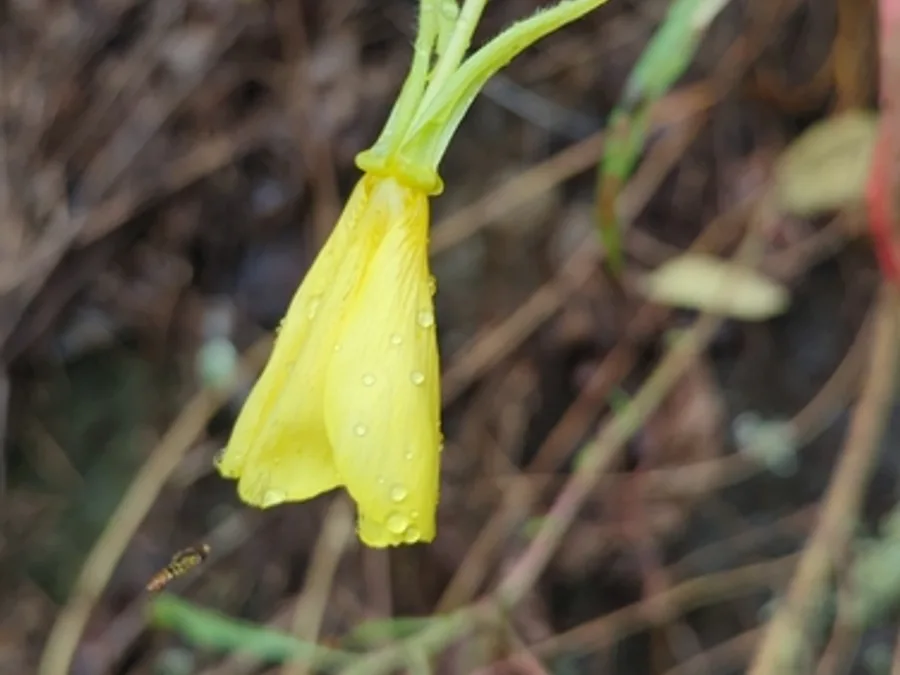
Lemon-yellow four-petaled flowers that open toward evening on wiry red stems, growing out of bare crumbling shale where nothing should grow.

Where to look
Only on shale barrens. This plant is a true endemic, found on Appalachian shale from here to Virginia and nowhere else on Earth
When
Blooms July–September, each flower opening near dusk
Months
July to September
Easily confused with
Common evening primrose is taller and weedy in fields; if it's growing from bare shale chips on a hot slope, you've found the endemic.
Do not touch
Look, photograph, leave it — barren plants live on a knife edge and don't recover from trampling.

See Shale-barren Evening Primrose in the app

Shale-barren Pussytoes, photographed at or near Green Ridge State Forest
Judy Gallagher · cc-by-sa

Shale-barren Pussytoes Antennaria virginica

Rarely seen

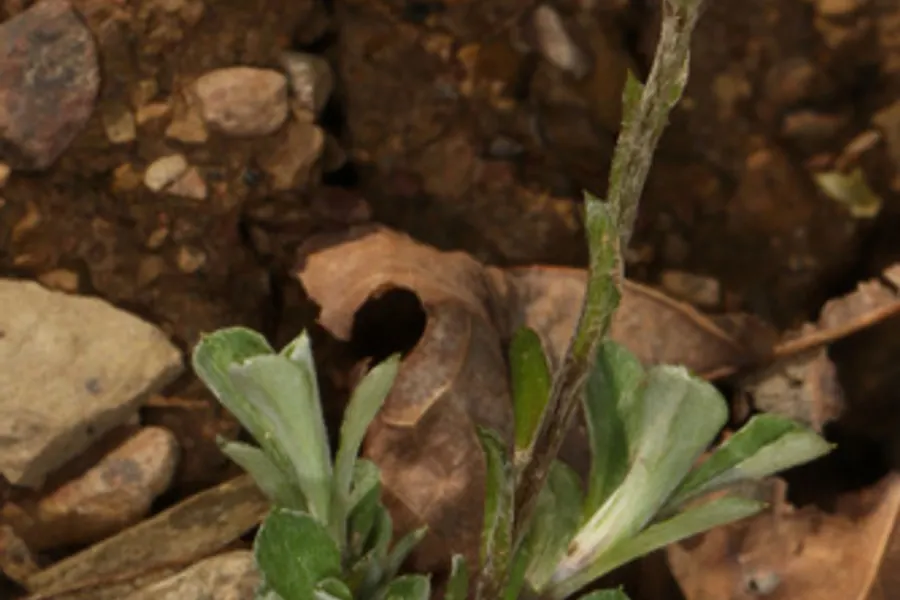
A ground-hugging mat of silvery-fuzzy leaves sending up short stalks topped with clustered white flower heads like tiny cat paws.

Where to look
Shale barrens and dry shaley openings, a near-endemic that makes its living on the worst soil in the forest
When
Blooms April–June; the silvery mats persist all season
Months
April to August
Easily confused with
Plantain-leaved pussytoes grows in ordinary dry woods; on true barren shale, assume the special one and step carefully.
Do not touch
Fine to touch gently, but stay on the shale edge; a footprint on a barren lasts years.

See Shale-barren Pussytoes in the app

Spring Beauty, photographed at or near Green Ridge State Forest
Elissa Totin · cc-by

Spring Beauty Claytonia virginica

Often seen

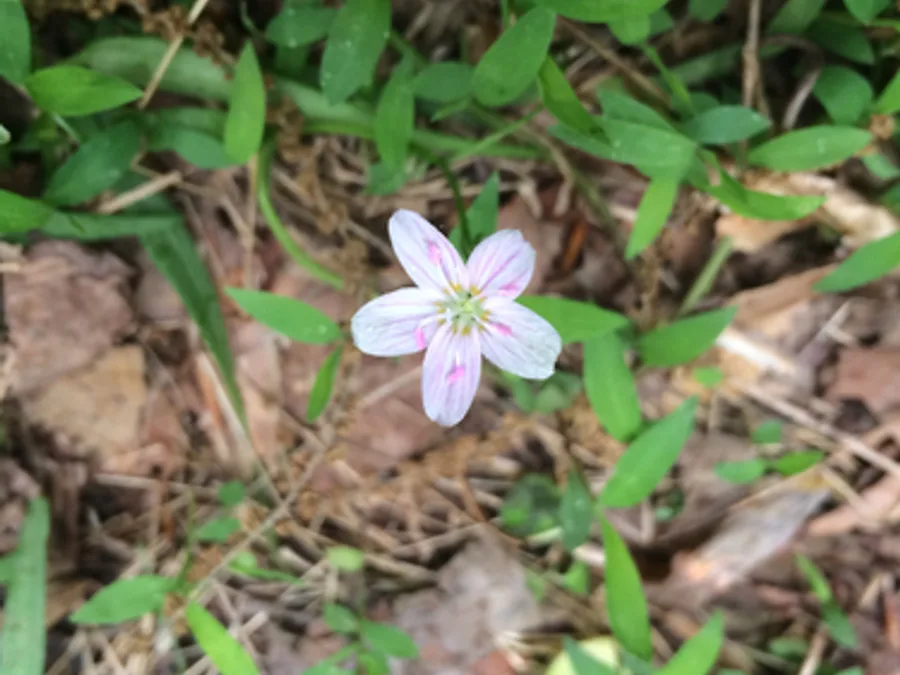
A carpet of small starry flowers, white to pale pink with darker pink candy-striping, on delicate stems with grass-like leaves, often blooming by the thousand.

Where to look
Rich woods and floodplain flats. One of the first true spring wildflowers here
When
Blooms March–May, then vanishes completely by summer
Months
March to May
Easily confused with
Rue anemone blooms alongside but has round-lobed leaves; spring beauty's pink pinstripes are the giveaway.

See Spring Beauty in the app

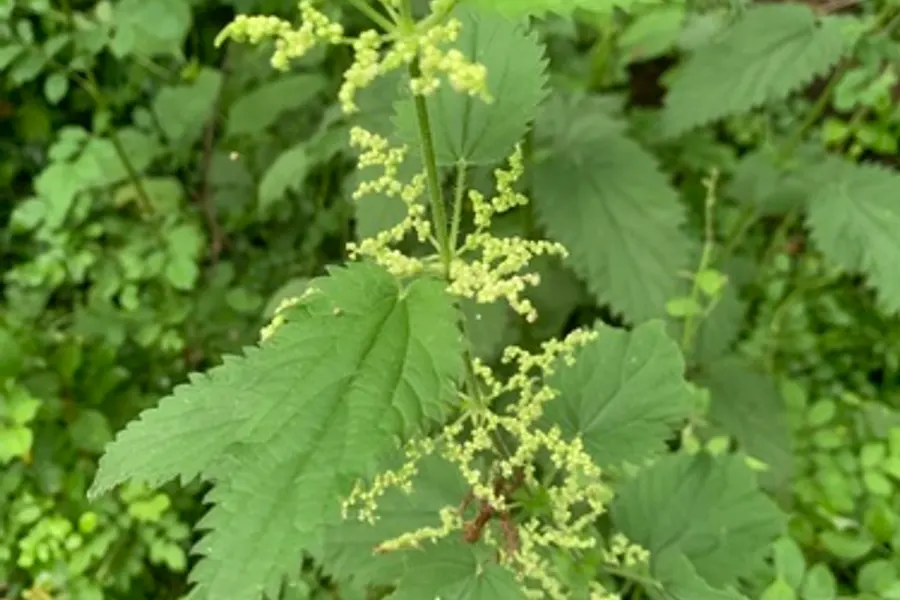
Stinging Nettle, photographed at or near Green Ridge State Forest
cc0

Stinging Nettle Urtica dioica

Sometimes seen

A tall leggy plant with paired, coarsely toothed leaves and dangling strings of tiny green flowers, every surface bristling with fine translucent hairs.

Where to look
Damp rich ground: streamside trails and floodplain flats, often exactly where you want to walk in shorts
When
Up May–October; stings all season
Months
May to October
Easily confused with
Wood nettle stings too but has alternate leaves; false nettle doesn't sting at all. When in doubt along a creek, assume sting.
Do not touch
Don't brush bare skin. The hairs inject formic acid and friends, leaving instant burning welts that last an hour or two. Harmless, but you'll remember it. If stung, resist scrubbing; cool water helps.

See Stinging Nettle in the app

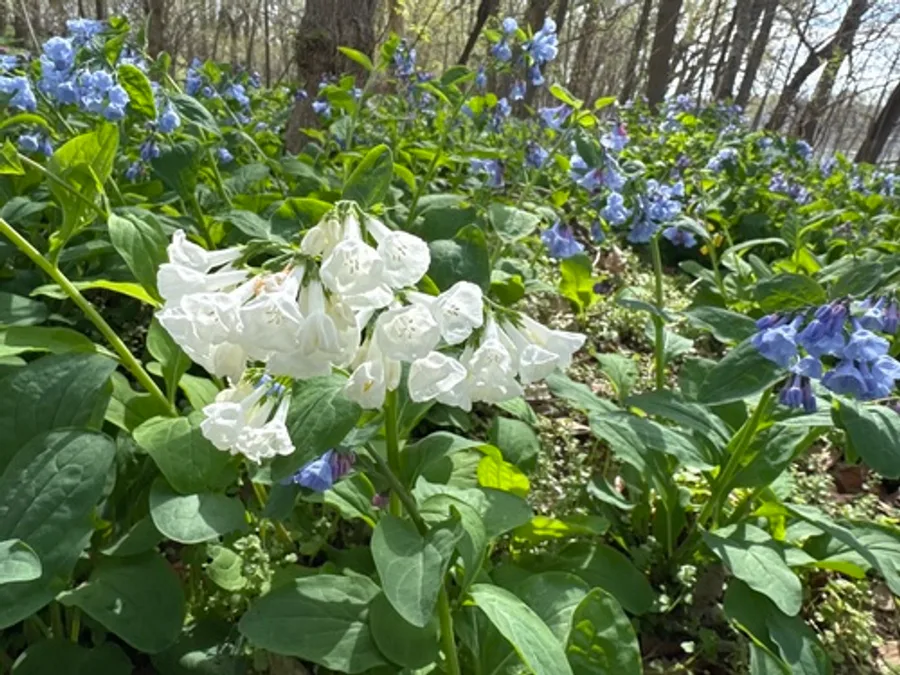
Virginia Bluebells, photographed at or near Green Ridge State Forest
Jacob Malcom · cc-by-sa

Virginia Bluebells Mertensia virginica

Sometimes seen

Arching sprays of pink buds that open into powder-blue trumpet flowers, over smooth gray-green leaves; a fleeting spring carpet.

Where to look
Rich, damp floodplain woods and stream bottoms
When
Blooms April; gone by early summer
Months
April to May

See Virginia Bluebells in the app

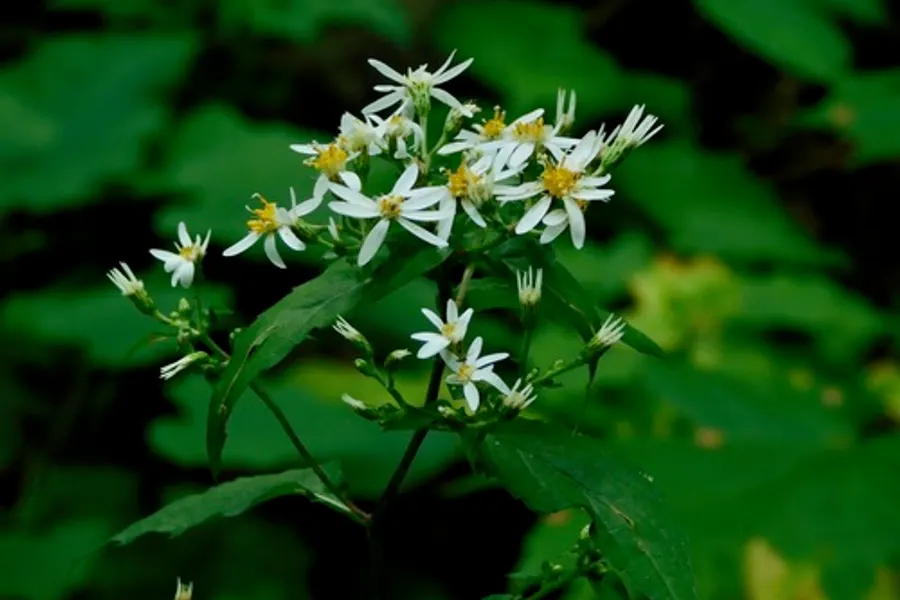
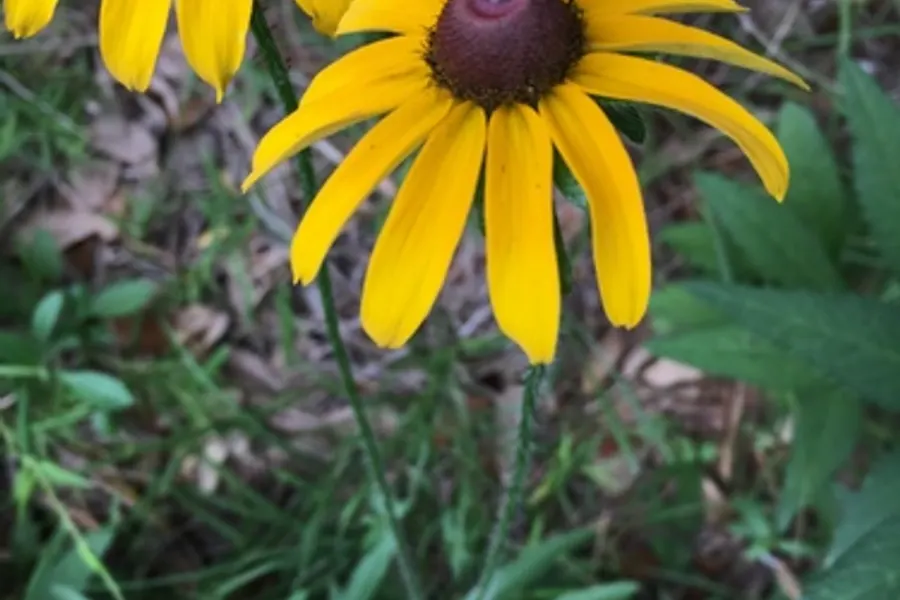
White Wood Aster, photographed at or near Green Ridge State Forest
Michael J. Papay · cc-by

White Wood Aster Eurybia divaricata

Often seen

The default white flower of dry fall woods: sprays of small white daisies with yellow-to-purple centers on zigzag stems, heart-shaped leaves near the base.

Where to look
Dry open woods and trail edges everywhere once late summer arrives
When
Blooms August–October
Months
August to October
Easily confused with
Dozens of asters bloom in fall; if it's carpeting dry woods with heart-shaped lower leaves, this is the one.
See White Wood Aster in the app

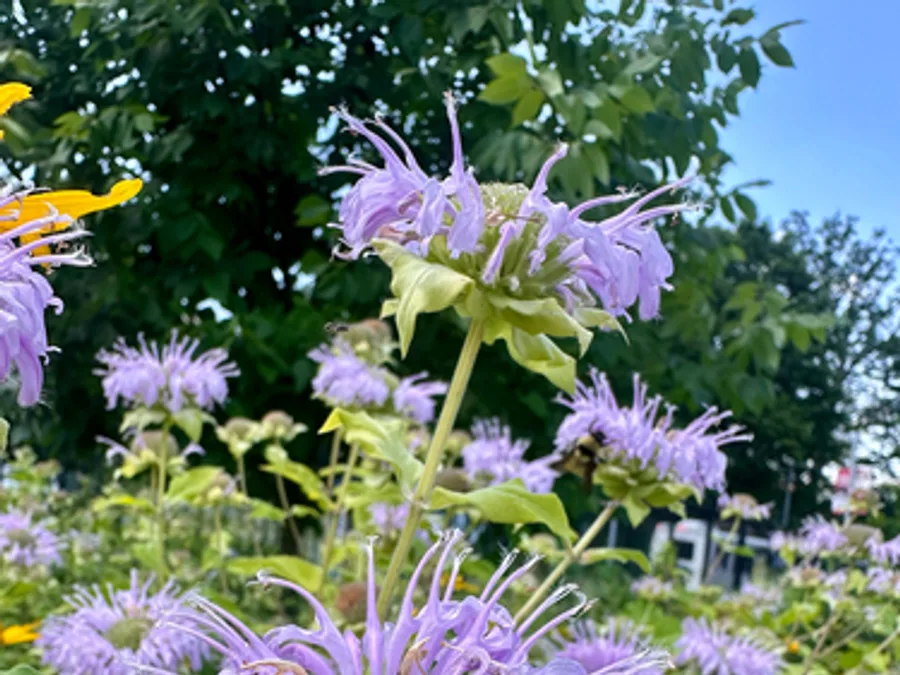
Wild Bergamot / Bee Balm, photographed at or near Green Ridge State Forest
Emily Summerbell · cc-by

Wild Bergamot / Bee Balm Monarda fistulosa

Sometimes seen

Ragged, shaggy lavender flower heads on square stems, with a minty-oregano scent when you brush the leaves; a magnet for bees and hummingbirds.

Where to look
Sunny roadsides, meadows, and forest edges
When
Blooms July–August
Months
July to August

See Wild Bergamot / Bee Balm in the app

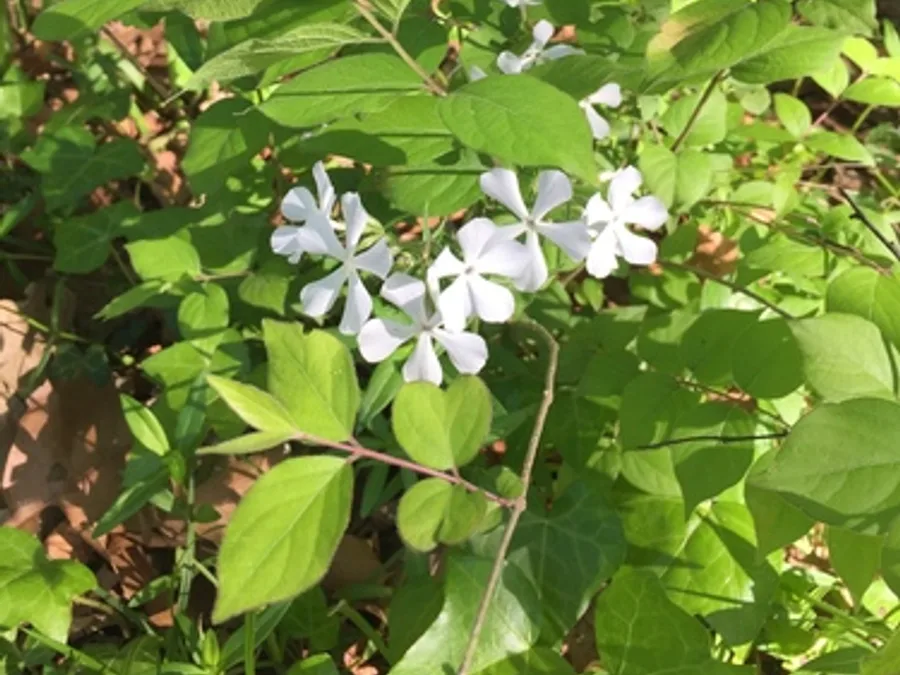
Wild Blue Phlox, photographed at or near Green Ridge State Forest
cc0

Wild Blue Phlox Phlox divaricata

Sometimes seen

Loose drifts of soft blue-lavender flowers, each with five notched petals fused into a slim tube, scenting the air lightly on warm April afternoons.

Where to look
Rich wooded slopes and creek terraces
When
Blooms April–May
Months
April to May
Easily confused with
Dame's rocket (an invasive) blooms later, taller, with four petals. Phlox always has five.

See Wild Blue Phlox in the app

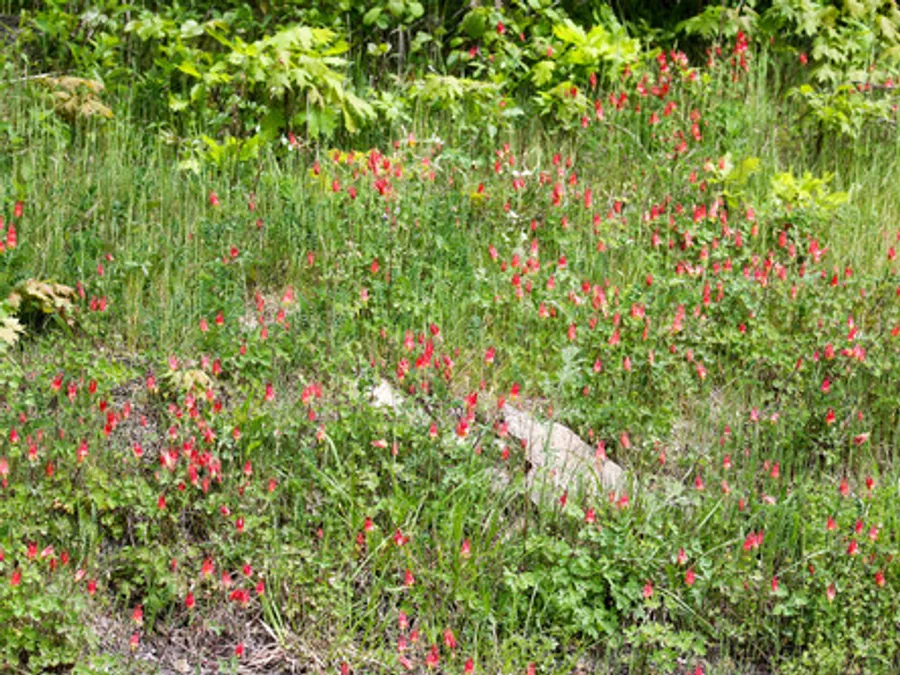
Wild Columbine, photographed at or near Green Ridge State Forest
Tom Field · cc-by

Wild Columbine Aquilegia canadensis

Sometimes seen

Nodding lantern-like flowers, red on the outside and yellow inside, with five backward-pointing spurs; lacy blue-green leaves below.

Where to look
Rocky slopes, ledges, and thin-soiled outcrops
When
Blooms April–May
Months
April to May
Do not touch
Lovely to look at, but the seeds and roots are toxic if eaten, so enjoy it in place.

See Wild Columbine in the app

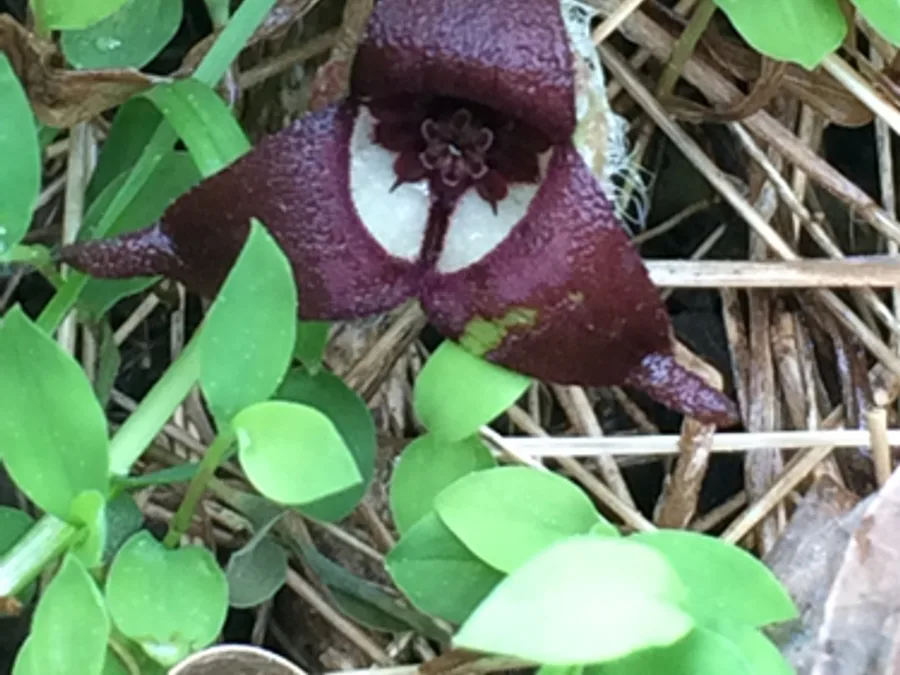
Wild Ginger, photographed at or near Green Ridge State Forest
Brooke Smith · cc-by

Wild Ginger Asarum canadense

Sometimes seen

Paired velvety heart-shaped leaves hugging the ground; a single odd reddish-brown flower hides at soil level between them, easy to miss.

Where to look
Rich, moist forest floors as a low ground cover
When
Leaves spring–summer; hidden flower in spring
Months
April to July
Do not touch
It smells gingery but is not the ginger you cook with, so don't eat it; it contains a compound linked to kidney harm.

See Wild Ginger in the app

The rest of the nature guide