Black bear are present in this forest and so is everything smaller. Storing food properly is the whole of what a camper needs to do about that, and it is worth doing on the first night rather than the second.
Booking
None. Sites are first come, first served.
Fee
$10 a night for a standard site, $20 for a group site, paid at headquarters. Maryland DNR.
Check in
Sign the sheet at headquarters when you arrive, then go to the site.
Is it free tonight?
This page cannot know. The app shows what the sign-up sheet last showed, with the photo's age.
Every photograph here is openly licensed and credited to the person who took it.
The recordings are in the app — open the nature
guide to hear them.
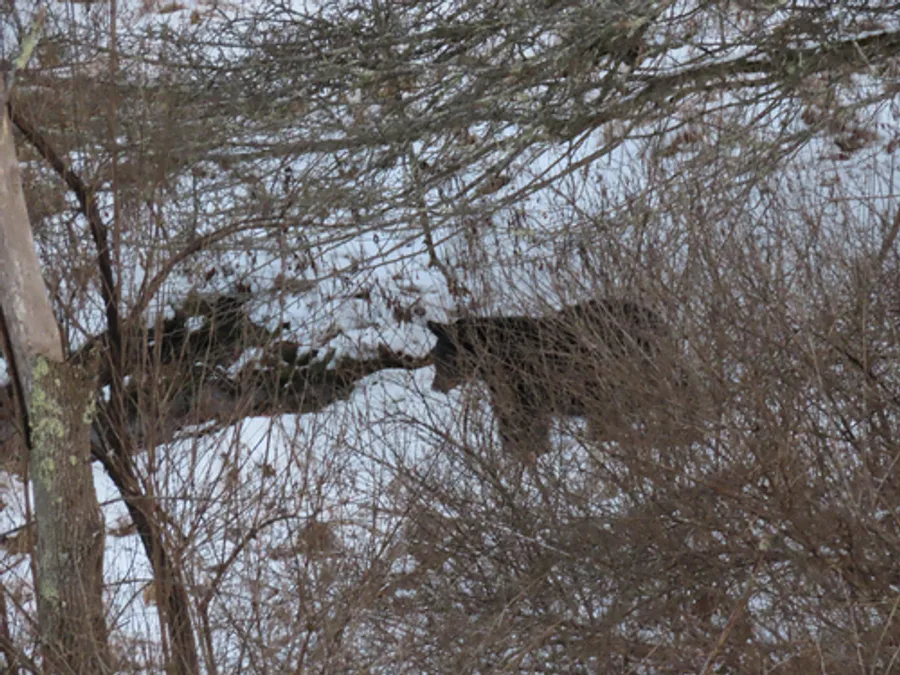
Maryland's only bear: glossy black, round-eared, usually a rear end disappearing into laurel at speed. Tracks, flipped rocks, torn logs, and berry-seed scat are the usual evidence.
Where to look
Berry patches in July, oak flats in fall — but the sighting that matters is the one in your camp, which food storage prevents
When
Active April–November, mostly dawn, dusk, and night; denned in winter
Months
April to November
Easily confused with
At dusk, a big black shape is more often a stump than a bear. Stumps don't leave five-toed tracks.
Do not touch
Store all food, trash, and scented items in your vehicle, never the tent. Meet one on a trail: stop, talk firmly, look big, back away slowly. Don't run, don't climb. Huffing and jaw-popping means 'too close,' not attack. A GRSF bear that gets human food becomes a dead bear. The cooler discipline is for them.
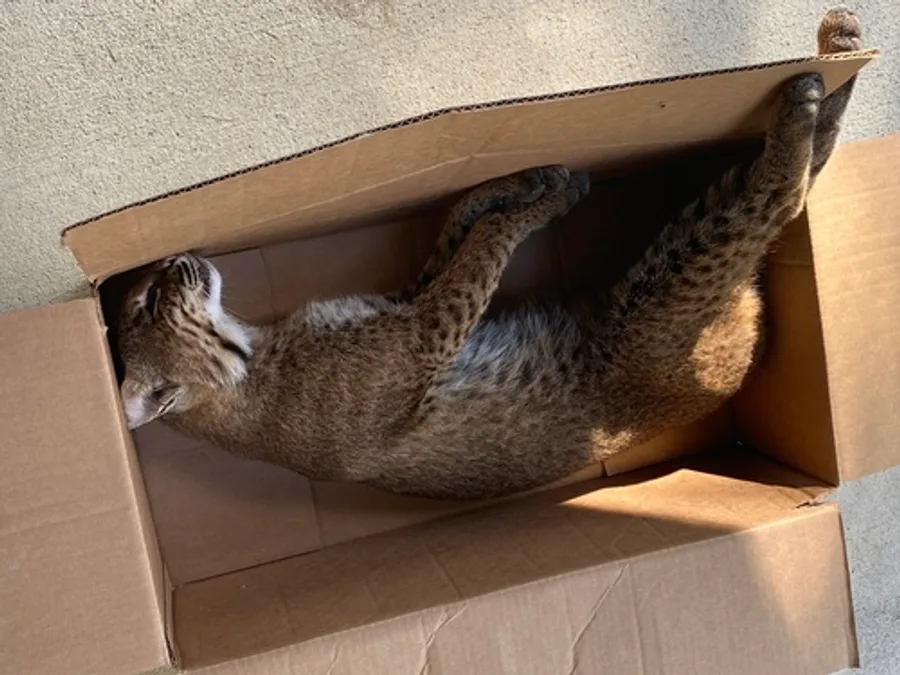
A double-sized housecat with a stubby bobbed tail, tufted ears, and spotted tawny coat, moving like poured smoke. Seeing one at GRSF is a once-a-decade brag.
Where to look
Rocky ledges and laurel thickets. Realistically: round tracks (no claw marks) in mud or snow, and trail-camera photos
When
Year-round, almost entirely dawn, dusk, and dark
Easily confused with
House cats gone feral are smaller with long tails; coyotes leave claw-marked tracks. A round, clawless four-toed print the size of a golf ball is cat.
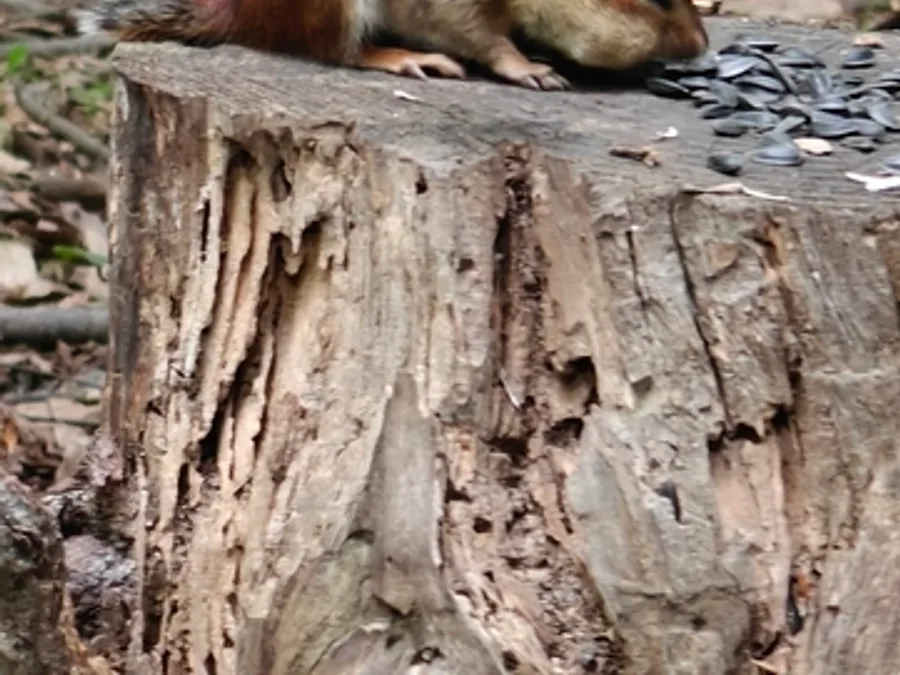
A pocket-sized striped squirrel with racing stripes down the back and cheeks built for smuggling, sprinting between log piles with its tail straight up.
Where to look
Stone walls, log piles, and campsite perimeters. The loud repeated 'chip' scolding you is this animal
When
Active March–November, busiest hoarding in fall; sleeps out the deep winter underground
Months
March to November
Easily confused with
Red squirrels are bigger, redder, and stripeless; ground-level racing stripes mean chipmunk.
Do not touch
Don't feed: a chipmunk that associates tents with trail mix chews through tents.
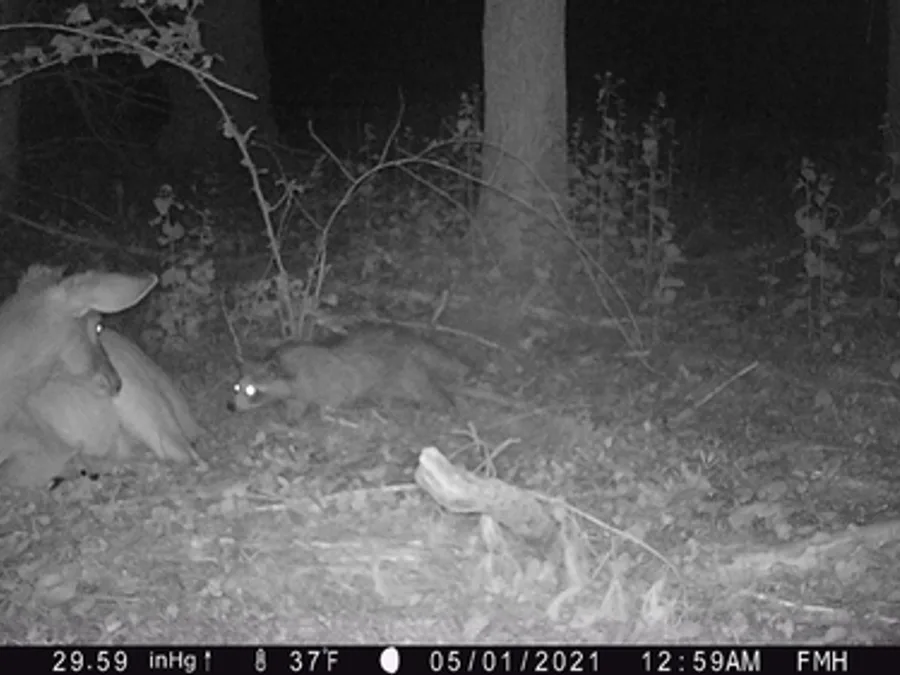
The masked night inspector: grizzled gray, ringed tail, and astonishing little hands that can open coolers, zippers, latches, and car doors that aren't quite shut.
Where to look
Your campsite at 2 a.m., plus creek edges, where they wash-feel for crayfish
When
Year-round, strictly after dark around camp
Do not touch
Latch the cooler, bag the trash, nothing edible in the tent. Never hand-feed. One that's out in daylight, staggering or fearless, may be sick. Keep kids and dogs well away and report it to forest HQ.
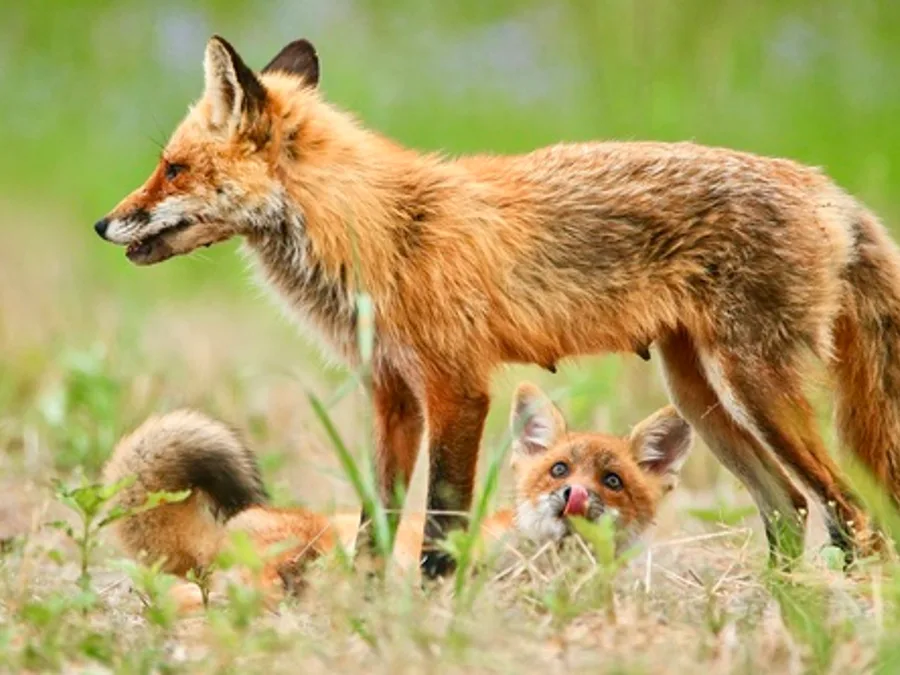
Rusty orange with black stockings and a white-tipped tail, trotting a field edge at dawn with somewhere to be — and the source of that horror-movie scream in the February dark.
Where to look
Field edges, orchard clearings, and forest roads at first and last light
When
Year-round; screams peak in winter breeding season
Easily confused with
Gray fox is grizzled salt-and-pepper with a black-tipped tail, and it climbs trees, which red fox can't.
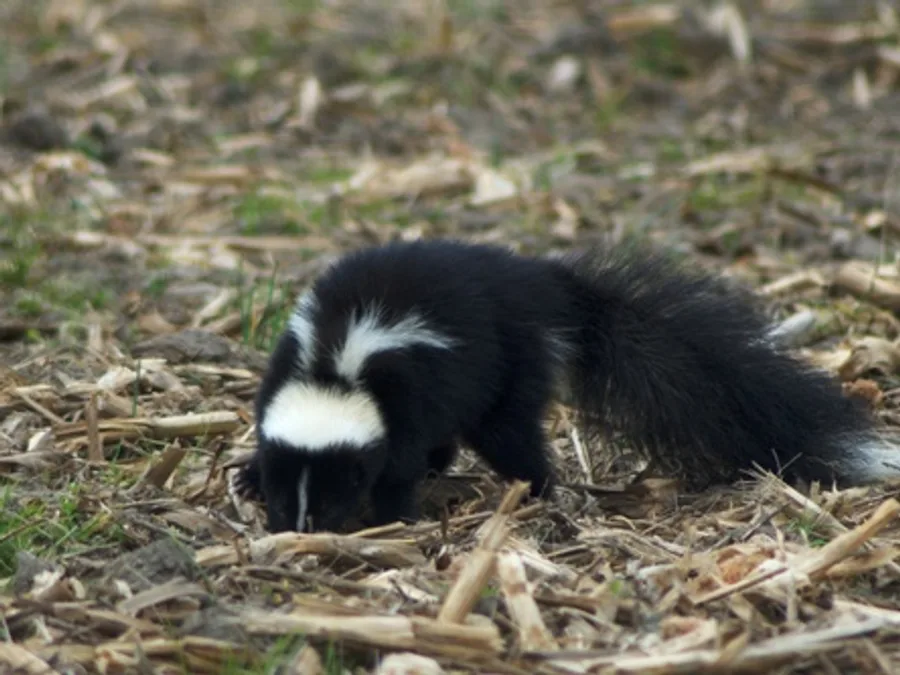
Glossy black with a white V down the back, snuffling through camp margins at night, unbothered: near-sighted, unhurried, and carrying a deterrent it truly does not want to use.
Where to look
Grassy edges and around fire rings after lights-out, digging little cone-shaped holes for grubs
When
Year-round, dusk and night; mostly dormant in coldest weeks
Do not touch
If one wanders through: stay still or back away quietly. Spraying is its last resort, preceded by clear warnings (stamping feet, raised tail). Leash the dog; dogs never read the warnings.
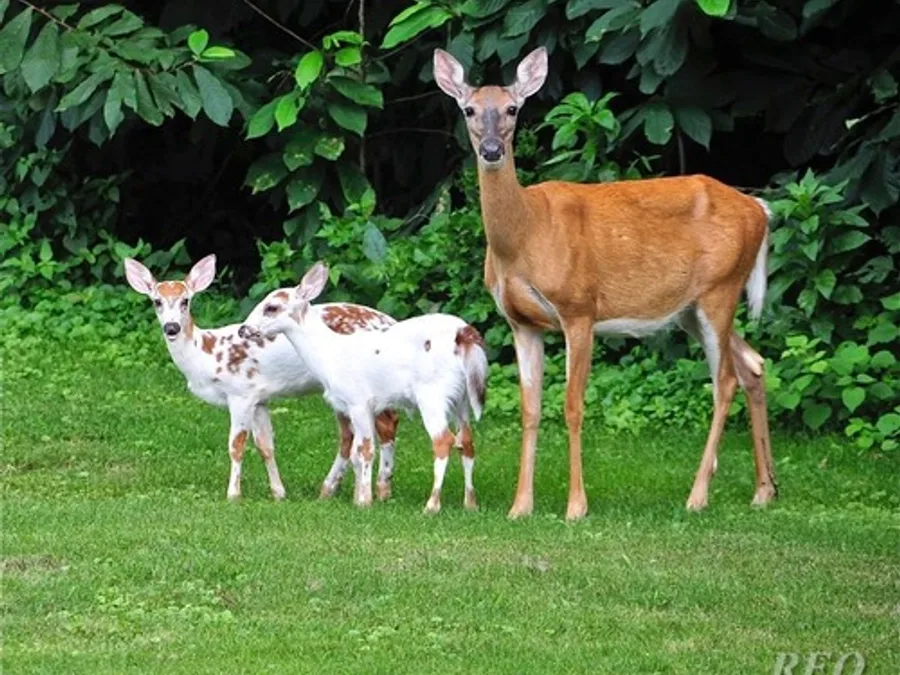
You know the deer; what campers actually meet is the sound: an explosive snort-wheeze and crashing retreat in the dark, tail flagging white. That's not a bear. It's practically never a bear.
Where to look
Field edges and oak flats at dusk; eyeshine along every forest road at night
When
Year-round; dawn and dusk peaks; bucks rut and lose caution in November
Do not touch
Never feed, and leave 'abandoned' fawns exactly where they are. A curled, silent fawn is parked, not orphaned; its mother is watching you.